
Get all your news in one place.
100's of premium titles.
One app.
Start reading
Saving Advice
Saving Advice
Drew Blankenship

Doctors Warn: 2 Common Dental Problems Linked to an 86% Higher Stroke Risk

dental health stroke risk
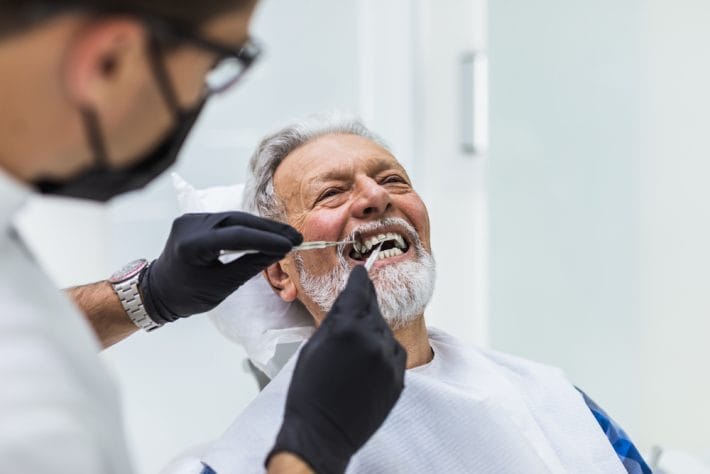
Image Source: Shutterstock

Most people think of brushing and flossing as ways to protect their teeth, not their brain. But new research is changing that thinking in a big way. Doctors are now warning that two extremely common dental problems may be quietly increasing your risk of stroke. In fact, one major study found that having both conditions can raise stroke risk by a shocking 86%. This makes oral health far more important than many seniors realize, especially when it comes to long-term cardiovascular protection. Here are two common dental issues that have recently been linked to a higher risk of stroke. Are you paying attention?

1. Gum Disease (Periodontitis) Is More Dangerous Than It Looks

Gum disease is one of the most common dental conditions, especially among older adults. It starts as mild inflammation but can progress into a serious infection if left untreated. Research shows that periodontal disease is strongly linked to an increased risk of stroke, particularly ischemic stroke.

The reason is inflammation, which can spread beyond the gums and affect blood vessels throughout the body. Over time, this inflammation may contribute to artery damage and clot formation, raising stroke risk significantly.

2. Cavities (Tooth Decay) Are Not Just a Minor Issue

Cavities are often dismissed as small, routine dental problems, but they can have bigger implications. Tooth decay is caused by bacteria that break down enamel and create infections inside the tooth.

When untreated, these infections can trigger systemic inflammation in the body. Scientists now believe this chronic inflammation plays a role in cardiovascular issues, including stroke. Even something as simple as a cavity can contribute to larger health problems if ignored.

Why Having Both Conditions Is Especially Risky

Individually, gum disease and cavities are concerning, but together, they are far more dangerous. A major study found that people with both conditions had an 86% higher risk of stroke compared to those with good oral health. That’s nearly double the risk, even after accounting for other factors like age and smoking. Researchers believe the combined bacterial load and inflammation amplify the damage to blood vessels.

The connection between your mouth and your brain may seem surprising, but it’s rooted in biology. Bacteria from gum disease can enter the bloodstream and travel to other parts of the body. Once there, they can contribute to plaque buildup in arteries, a condition known as atherosclerosis. This narrows blood vessels and increases the likelihood of clots forming. When a clot blocks blood flow to the brain, a stroke can occur.

Warning Signs You Should Never Ignore

Many seniors don’t realize they have gum disease or cavities until the problem becomes severe. Common signs include:

  • Bleeding gums
  • Persistent bad breath
  • Tooth sensitivity
  • Loose teeth

Cavities may show up as tooth pain, visible holes, or dark spots on teeth. Ignoring these symptoms allows bacteria and inflammation to worsen over time. Early detection is key to preventing both dental damage and potential stroke-related risks.

That said, one of the most powerful ways to reduce your risk is also one of the simplest: regular dental care. Studies show that people who visit the dentist consistently are far less likely to develop both gum disease and cavities. In fact, routine dental visits were linked to significantly lower odds of having these conditions in the first place. Prevention is far easier (and cheaper) than treatment. Regular cleanings and checkups can catch problems before they escalate.

Protect Your Smile and Your Brain

As we age, the body becomes more vulnerable to both infections and inflammation. This makes the connection between oral health and stroke risk even more important for seniors. Older adults are also more likely to have existing health conditions that can compound these risks. What might have been a minor dental issue earlier in life can now have more serious consequences. With research linking them to an 86% higher stroke risk, taking action is more important than ever.

When was your last dental checkup, and could improving your oral health lower your health risks?

What to Read Next

New Heart‑Disease Drug Cuts Risk of Stroke and Heart Attack in Older Adults by Nearly 20%

7 Hidden Stroke Risks Women Face in Midlife and The Habits Proven to Lower Them

Doctors Warn a Common Daily Habit May Increase Stroke Risk — And Lead to Costly ER Visits

AI‑Powered Eye Scan Can Predict Heart Disease Risk in Under 60 Seconds

Why Doctors Are Watching Ozempic’s Emerging Role in Post–Heart Attack Recovery

Sign up to read this article
Read news from 100's of titles, curated specifically for you.
Already a member? Sign in here
Related Stories
Top stories on inkl right now
One subscription that gives you access to news from hundreds of sites
Already a member? Sign in here
Our Picks
Fourteen days free
Download the app
One app. One membership.
100+ trusted global sources.