Get all your news in one place.
100’s of premium titles.
One app.
Start reading
Tom’s Guide
Tom’s Guide
Technology
Ruth Jones

Doctors share 5 essential tips for how to sleep with the flu — plus the best position to lie in if you have a cough

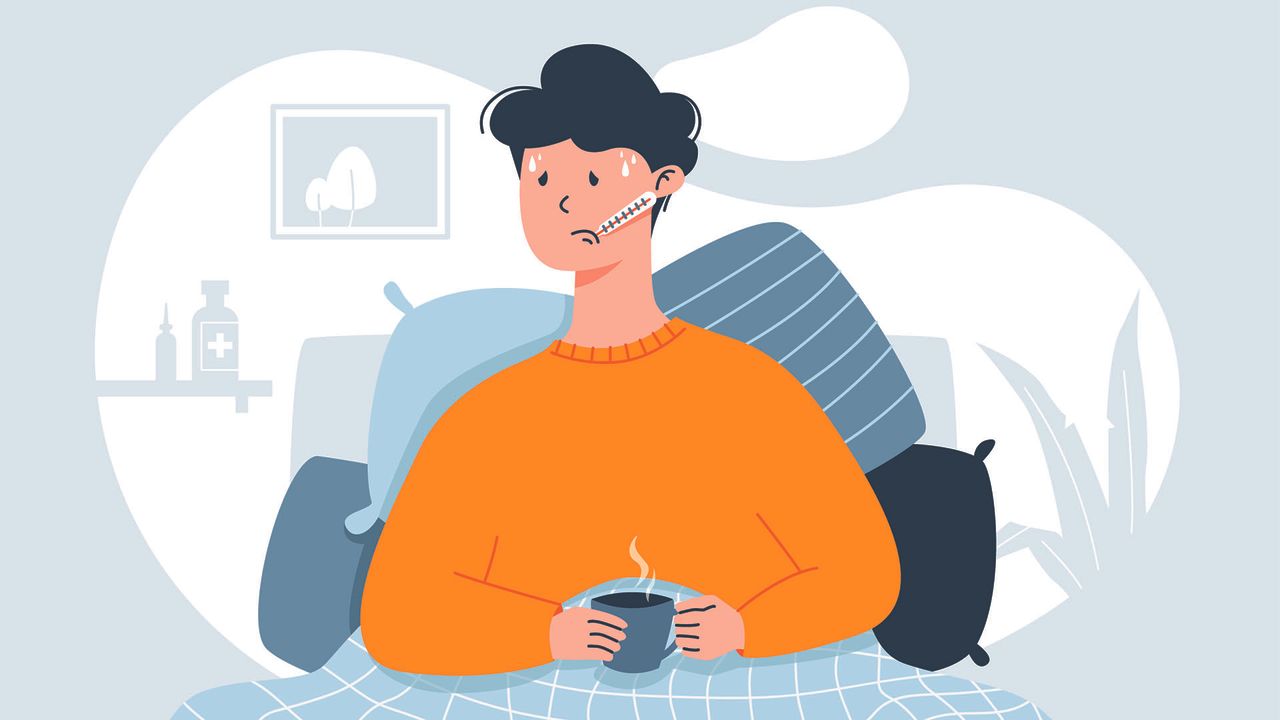
An illustration of a person wearing a yellow sweater in bed with the cold or flu, against a greay background. The person is holding a warm drink, lying propped up on pillows, with a thermometer in their mouth.

Flu season has hit hard this winter, with the CDC reporting elevated influenza cases across the US.

While experts are keen to note the so-called 'super flu' isn't more severe than other flu mutations, its quick spread has left many of us run-down, congested and confined to the bed.

Sore throats and aching joints make it hard to get any shut-eye, but rest is vital to recovery. "Quality rest lets your body focus its energy on immune function, helping you fight off the virus more effectively," explains Dr. Tim Mercer, NHS GP Partner.

"During sleep, your body produces cytokines, which are proteins that reduce inflammation and target infection, making good sleep essential when you’re unwell.”

How to sleep when you have the flu

“Sleeping with congestion, sore throat and fever can be challenging, but simple strategies can make a real difference," explains Dr. Mercer, who works in collaboration with Opera Beds.

Here's what he and other experts recommend...

1. Elevate your head

Adjusting your sleep position can help you find relief from common cold and flu symptoms, including a blocked nose or persistent cough.

If you're struggling to sleep with congestion, Dr. Patel, NHS GP, explains that using an extra pillow can "help mucus drain," while Dr. Mercer notes an elevated head allows your airways to open.

(Image credit: Getty)

"Many people with respiratory conditions benefit from this as it can reduce congestion and breathing disruption," he says.

For further relief, Dr. Mercer suggests zero gravity sleep, a pressure-relieving sleep position that lifts the head and legs above the lumbar.

A common feature of adjustable bed bases, Dr. Mercer explains it can be achieved at home by positioning one or two pillows under your head and a firm pillow beneath your knees.

However, if a cough is keeping you up, the experts suggest side sleeping.

"Lying on your side, particularly the left side, can help open your airways and prevent mucus from building up at the back of your throat, which may reduce coughing and throat irritation overnight,” says Dr. Mercer.

2. Steaming

“Steaming is one of the best natural remedies for shifting a mucus build-up in your nose," says Dr. Patel.

Dr. Mercer agrees that a hot shower or bath before bed has multiple benefits. "The steam helps ease congested airways, while the warmth relaxes sore muscles and can lower blood pressure," he explains.

(Image credit: Getty)

The warmth of the shower — or, rather, the cool of leaving the shower — has an additional benefit. Your body clock, also known as your circadian rhythm, recognizes a drop in core temperature as a signal it's time for bed.

When your body cools after a warm bath, it's also preparing itself for sleep.

3. Stay hydrated

Staying hydrated is particularly important during illness," says Dr. Mercer "Drinking enough water supports temperature regulation, keeps mucus thinner, and may reduce throat irritation and nighttime discomfort."

Staying hydrated is particularly important during illness

Dr. Tim Mercer

Dr. Patel advises sipping water "frequently throughout the day" in order to keep your throat moist, aiming to consume "about 2 liters per day."

However, John Hopkins Healthcare advises you limit fluid consumption fluid in the evening to prevent nocturia (frequently waking up to use the bathroom). These disruptions lead to reduced sleep time and lower quality sleep overall.

(Image credit: Getty Images)

4. Prepare your room for better sleep

While you might be tempted to crank up the thermostat before bed, the optimal temperature for sleep is on the cooler side (65 to 70°F) and an overheated bedroom might make you feel worse when you're unwell.

“Choosing light, breathable clothing such as cotton pajamas and avoiding heavy fabrics can help prevent overheating," says Dr. Mercer.

Judith Ackers, bedding specialist at Land of Beds, advises going for a breathable mattress and pillow protectors to help you reduce night sweats.

Ackers also emphasizes the importance of layering your bedding, for easy temperature adjustments during the night. "Even having a spare set of sheets ready can make a big difference if you wake up feeling overheated."

For those confined to bed rest, increasing air circulation can prevent the bedroom from feeling 'stuffy'.

"A small fan positioned to circulate air around the room can make breathing feel easier without creating an uncomfortable draft," says Ackers.

(Image credit: Getty Images)

5. Follow a calming pre-bed routine

When you're bowled over by sickness you probably want to crawl straight under the covers (or you might not have left them since morning.) However, following a bedtime routine prepares your body for rest, helping you to fall asleep quickly.

Mint tricks your brain into thinking your airways are more open than they are

Dr. Tim Mercer

The warm shower or bath we emphasized earlier is a key part of this wind-down period and, if you've been stuck in bed all day, a great opportunity to pull back the covers and air your mattress.

"Timing a cold and flu drink containing paracetamol so it takes effect as you’re trying to fall asleep may also improve comfort," says Dr. Mercer.

Or for a more natural approach, this is Dr. Mercer recommends: “Mint tea can be particularly helpful, as it tricks your brain into thinking your airways are more open than they are."

Sleep tips for your immune system

In the long-term, Dr. Mercer recommends "prioritizing sleep, staying hydrated, having good hygiene, and eating nourishing foods", to bolster your immune system and reduce the risk of illness.

During periods of widespread flu and respiratory illness, good-quality sleep is an important part of recovery

Dr. Tim Mercer

"Washing bedding regularly while you’re unwell also supports hygiene and comfort, which can help recovery,” says Dr. Mercer. We recommend washing your pillowcase and bed sheets every one to two days when you're ill, to ensure you don't become reinfected.

When you're not ill, keeping your bed and mattress clean can help prevent future sickness. Wash your sheets once a week, regularly air your mattress to allow moisture to dissipate and don't get on the bed in your outdoor clothes, as they might carry germs and bacteria.

Overall, prioritizing consistent, high-quality sleep supports a healthy immune system, making it easier to fight off infections before they ruin your winter.

Sign up to read this article
Read news from 100’s of titles, curated specifically for you.
Already a member? Sign in here
Related Stories
Top stories on inkl right now
One subscription that gives you access to news from hundreds of sites
Already a member? Sign in here
Our Picks
Fourteen days free
Download the app
One app. One membership.
100+ trusted global sources.