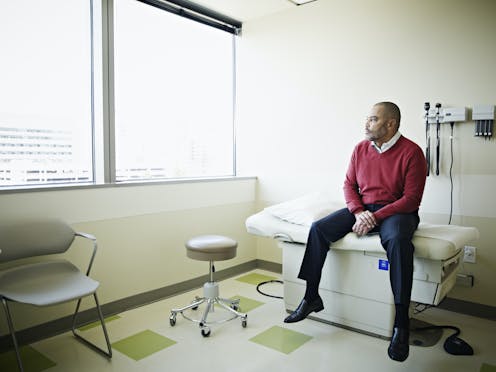
Depression is a costly and debilitating condition that profoundly influences a person’s quality of life. In 2020, more than 21 million adults in the U.S. reported having at least one major depressive episode in the previous year. Depression symptoms increased dramatically during the COVID-19 pandemic, and now affect nearly 1 in 3 American adults.
There are also many disparities in access to depression treatment. Clinicians are less likely to recognize and treat depressive symptoms in certain groups, including racial and ethnic minorities, men, older adults and people with language barriers. These disparities may be driven by poor patient-physician communication about mental health, cultural differences in discussing depressive symptoms, stigma around mental illness and limited available treatment options.