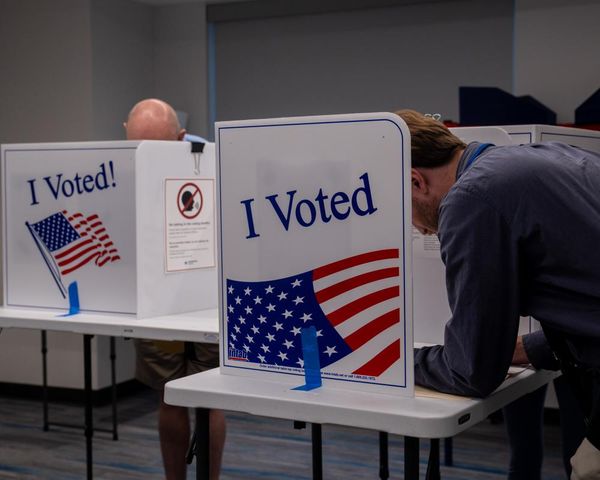
Today marks two years since the U.S. Supreme Court issued a decision in Dobbs v. Jackson Women's Health Organization, overturning Roe v. Wade and the legal standards that had governed American abortions for decades. A lot can be said about the impacts of this decision, from direct changes to state abortion laws to its effect on politics, failure to actually reduce the number of abortions, or opening up new avenues in the drug war. But today I want to focus on one change that is on some level obvious but often goes unremarked upon: the way Dobbs shifted the focus of the abortion debate back to women's lives, not just the lives of any potential offspring that they're carrying.
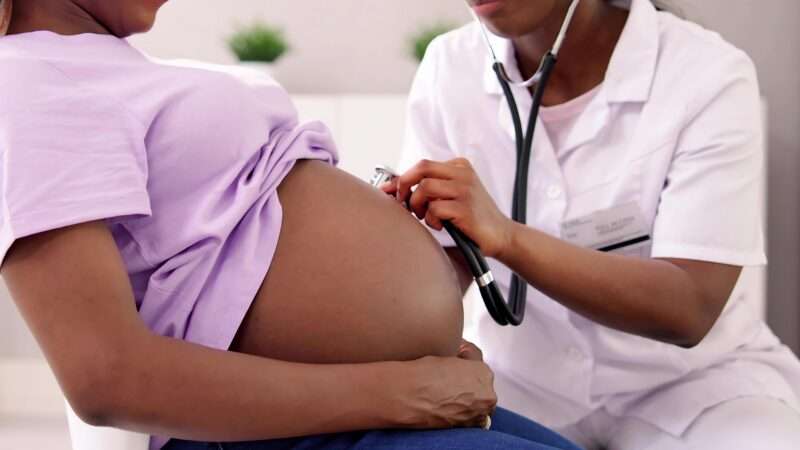
Two years after the Dobbs decision, Americans seem increasingly concerned with how abortion bans affect the physical health of women—including women with wanted pregnancies.