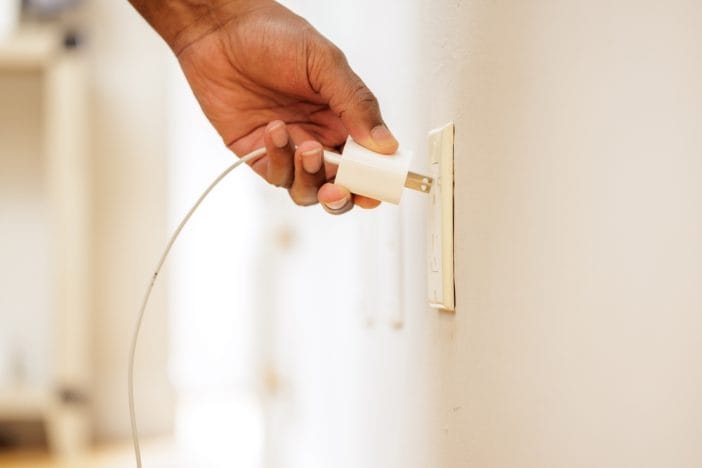
Ever noticed the tiny holes in your plug prongs and wondered why they’re there? You’re not alone. These small details on everyday electrical plugs often go unnoticed, yet they serve several practical (and surprisingly clever) purposes. From safety to manufacturing efficiency, those holes are more than just a quirky design choice. Here are eight reasons behind this overlooked feature and why it still matters.
1. They Help Lock the Plug in Place
One of the main reasons for holes in electrical prongs is to help secure the plug inside the outlet. Some outlets have small bumps or spring-loaded detents that fit into these holes. When the prongs slide in, the bumps catch the holes and help hold the plug in place. This reduces the chance of the plug slipping out accidentally, especially when the cord is tugged or jostled. It’s a simple way to improve the stability of your connection without any extra moving parts.
2. They Aid in Manufacturing and Assembly
Believe it or not, those holes make the manufacturing process more efficient. During production, machines use the holes to align and hold the prongs in place while the plug is being assembled. This ensures consistency and precision, especially when the prongs are being inserted into the plastic housing. It also allows for faster assembly, which helps keep production costs down. So, those little holes are part of what makes your plug affordable and reliable.
3. They Allow for Locking Devices
In industrial or high-risk environments, locking mechanisms are sometimes used to prevent plugs from being pulled out accidentally. These devices often rely on the holes in the prongs to latch securely. For example, some power strips or extension cords have built-in locks that snap into the holes. This is especially useful in workshops, hospitals, or anywhere a sudden unplugging could be dangerous. The holes make it possible to use these safety features without redesigning the entire plug.
4. They Improve Contact with the Outlet
While not all outlets use this feature, some are designed with internal nubs or bumps that align with the holes in the prongs. This can help ensure a tighter electrical connection, reducing the risk of arcing or intermittent power. A snug fit also helps maintain consistent power flow, which is especially important for sensitive electronics. Even if your outlet doesn’t use this feature, the holes are still there for compatibility. It’s a small design that supports a wide range of outlet types.
5. They’re a Legacy of the Original Plug Design
The holes in electrical prongs date back to the early 1900s, when Harvey Hubbell II patented the first detachable plug. His design included holes to help guide the prongs into place and ensure a secure connection. Over time, the design stuck, even as technology evolved. Today, the holes remain a standard feature on Type A and Type B plugs used throughout North America. It’s a testament to how a century-old idea can still serve a purpose in modern homes.
6. They Can Be Used for Tamper-Resistant Features
Some tamper-resistant outlets use the holes in prongs as part of their child-safety mechanisms. These outlets have internal shutters that only open when both prongs are inserted simultaneously. The holes can help align the prongs with the shutters, ensuring the plug goes in smoothly while preventing foreign objects from being inserted. This adds an extra layer of safety in homes with young children. It’s a subtle but effective way to reduce electrical hazards.
7. They Allow for Better Grip and Removal
Have you ever struggled to unplug a tight-fitting cord? The holes in the prongs can actually help with grip and leverage. Some people use a small tool or even a paperclip to gently assist in removing a stubborn plug, though this should always be done with caution and the power off. The holes provide a point of contact that can make unplugging easier in a pinch. It’s not their primary purpose, but it’s a handy bonus.
8. They’re a Universal Design Standard
Even though not all outlets use the holes, they remain a universal design feature for compatibility. Manufacturers include them to ensure plugs work with a wide variety of outlets and accessories. It’s part of what makes electrical systems more standardized and interchangeable. This consistency helps reduce confusion and increases safety across different devices and regions. In short, the holes are a small but essential part of a much bigger system.
A Tiny Detail with a Big Purpose
Those little holes in your electrical prongs might seem insignificant, but they’re doing a lot of heavy lifting behind the scenes. From safety and security to manufacturing and compatibility, they’re a perfect example of smart design hiding in plain sight. Next time you plug something in, take a second to appreciate the thought that went into that tiny feature. It’s a reminder that even the smallest details can make a big difference. And now that you know, you’ll never look at a plug the same way again.
Did you already know the reason behind those prong holes, or did one of these explanations surprise you? Share your thoughts in the comments!
What to Read Next
Did You Know Microwave Popcorn Bags Contain This Surprising Chemical?
Did You Know WD-40 Can Fix Over 2,000 Problems Around the House? Here Are the 10 Best Uses
Electricians Warn: This Extension Cord Mistake Is Fueling House Fires Across the South in 2026
7 Early Warnings Your Car’s Electrical System Is Struggling
Did You Know About These 5 American Cars That Were Never Available In The U.S.?
The post Do You Know Why Electrical Prongs Have Holes In Them? appeared first on Clever Dude Personal Finance & Money.