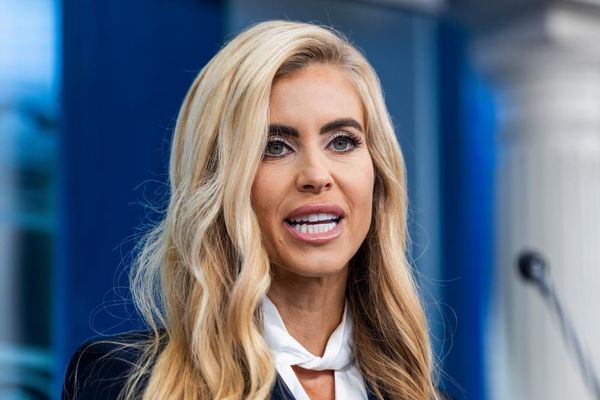
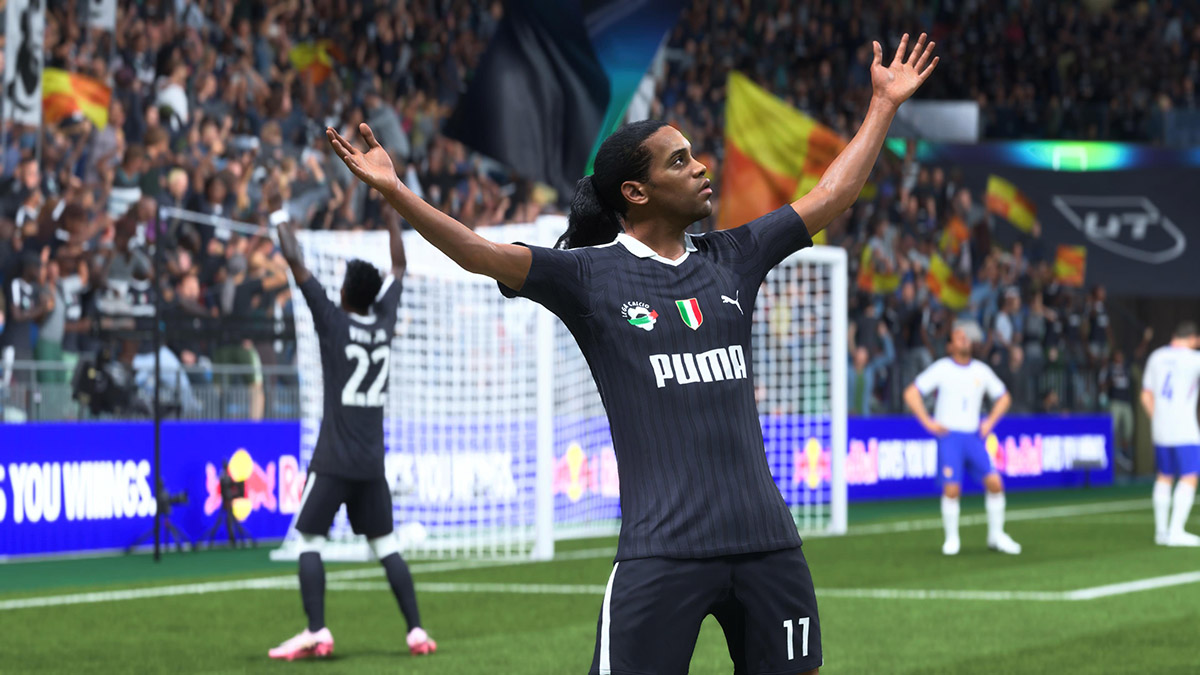

Online discussion around video games can often feel like as big a part of the experience as the game itself for some of us, as content on our favorite games becomes a major part of our feeds. While it’s great seeing fun personalities who share your interest in a game, some gamers feel that there are drawbacks to the big presences in gaming as well, with developers catering game decisions too much to those with the loudest presences, which may not always be in alignment with the desires of the larger community.
Why Are Streaming And Social Media Stars So Influential With Some Developers

The simple answer is that public figures have always been highly influential, and they represent the public figures of the gaming industry on the gamer side of the equation. More directly, as a technological medium, gaming has always been a natural part of the online environment, and as such, online personalities are more naturally capable of gaining prominence in the community.
Public relations is a big consideration when releasing a video game, and the wrong turn in the public opinion around a game can often spell doom before it even has a chance to get off the ground. As a result, it’s only natural that if a studio sees individuals who carry a great deal of sway within the community, they may be more inclined to try to please them. Getting the right commentary from the right big personality can have a huge impact on a game’s success, as can the inverse.
The Biggest Reasons Outlier Individuals Can Differ So Greatly From The Average Gamer

The concern for gamers when it comes to big personalities getting catered to in development is that often the considerations that a major streamer or elite gamer may have for a game may not align with your own. This is not because these people are meaningfully different from the average gamer as people, but because their interactions and needs from the game sometimes are:
Even A Massive Star Is Just One Person
The most basic reason an individual streamer or media personality is unlikely to be entirely representative of the larger community in the game is the same reason you or I are, as well: we’re all our own people with our tastes and preferences. While a popular streamer may have a more prominent voice that makes it easier to hear what they have to say, that doesn’t change the fact that their opinion is just one voice out of the entire community that is playing and loving a franchise.
While there are fair points to be raised about how someone who has devoted their profession to a game will likely have spent significant time in the game, and as a result has an in-depth understanding of its strengths and weaknesses, there are also others who will have put in just as much time with no public profile. The former is no more knowledgeable than the latter, yet may carry an enhanced level of influence on the game and its development.
Competitive Players Have Different Needs And Wants
A major consideration when assessing the demands made by gamers who are famous for being elite competitors is how drastically different their experience with the game can be from that of the average player. For starters, competitive play tends to focus entirely on one or two specific gaming modes. If a competitive gamer were in control of making big decisions at a developer, it’s a safe bet that a majority of the resources in that developmental process will go toward that mode because that’s what they play and care about.
Even within the same modes, however, play at the very highest level of the competitive rankings can often be significantly different from the majority of gamers’ experience with a game. Elite players are more likely to be able to find and exploit every single area of potential edge because it is their job to find those edges, and they got to the top by being very good at their job. This means that sometimes a problem that exists for elite gamers is a problem that only exists for elite gamers, and sometimes a solution for elite gamers can lead to disastrous unintended consequences for the majority of players.
Social Media And Streaming Stars Need Content
The other major group of influencers in the video game sphere is social media and streaming stars. A major distinction in how these folks can impact the larger conversation is that they may be elite gamers, but there is no requirement that they be, as the primary consideration is if they can be entertaining and engaging for an audience. This can make it so that the average streamer is likely more on par with the average gamer in terms of their experience with the game.
Where there is still room for deviation from broader trends and needs is in the fact that what online personalities for a game need to do for their job is to create content. In some cases, this means simply being naturally engaging. In other cases, this often relies on making big and bold statements. At times, this can mean finding something to be upset about in place of any real concerns because negative content tends to benefit in algorithms, creating an incentive to always be on the lookout for a problem to discuss.
The Impact Of Focusing Too Heavily On Big Personalities In Development

When game studios prioritize these large personalities, it has the potential to be meaningfully harmful to the quality of their games. Some of the biggest concerns are:
The Game Can Shift Away From The Heart Of The Community
The most apparent problem can be seen in the prior section, where often the interests of the larger community are not always aligned with the interests of the most visible elements of the community. It’s important to understand this does not have to imply any sort of malicious intent on behalf of those given the largest megaphones.
While any group will have its section of people who have poor motives for their actions, the majority of criticisms and suggestions made by both elite competitors and social personalities are made for the same reason any other gamer voices their opinion on a game, because they love it and want it to be better. Despite this, it is also true that because their experience with the game differs significantly, there will always be things that benefit them, which, if implemented, would not be popular with the community as a whole.
Other Modes Can Fall By The Wayside
When development begins to focus too much on the voices with the largest platform, particularly if that means catering to the competitive scene, you run the risk of neglecting other parts of the game. Franchise and Be-A-Pro modes are rarely important factors in the international competitive scene, but for many gamers, they are the primary reason for purchasing a sports game, if not the only one.
This is a concern that can be further exacerbated by how some of the most popular competitive modes are already being prioritized by developers for their own reasons. Ever since executives at game companies realized that even better than getting a huge influx of sales when a new annual sports game dropped was getting that influx and then adding a steady flow all cycle long, the online modes have gained importance. When the biggest voices in the community are only focusing on those online modes, it becomes even more likely that other modes will suffer.
Perception Can Be Reality
In the Football Manager community, there is a joke about how popular streamer Zealand single-handedly brought about the cancellation of Football Manager 25 with a tweet stating “Football Manager’s graphics are terrible and I’m tired of pretending they are not” after the developer then touted better graphics as one of the benefits of its difficult move to the Unity engine.
While a single tweet from a single popular streamer will not have actually been the cause of a decision to make such a massive overhaul, it is indicative of a real concern. Whether developers actually are catering to the needs of the gamers with the largest megaphones is not the sole thing determining if fans think that they are. And once you have the community feeling ignored, you run the risk of entering a spiral where casual gamers are less and less likely to play, making it all the more reasonable to cater to the elite until the game is entirely abandoned by the base, required to make it sustainable.
Where do you stand on the influence of streamers, social media personalities, and elite gamers in sports game development? Are they an overall net good, or do you have concerns about the impact they have on your favorite games?