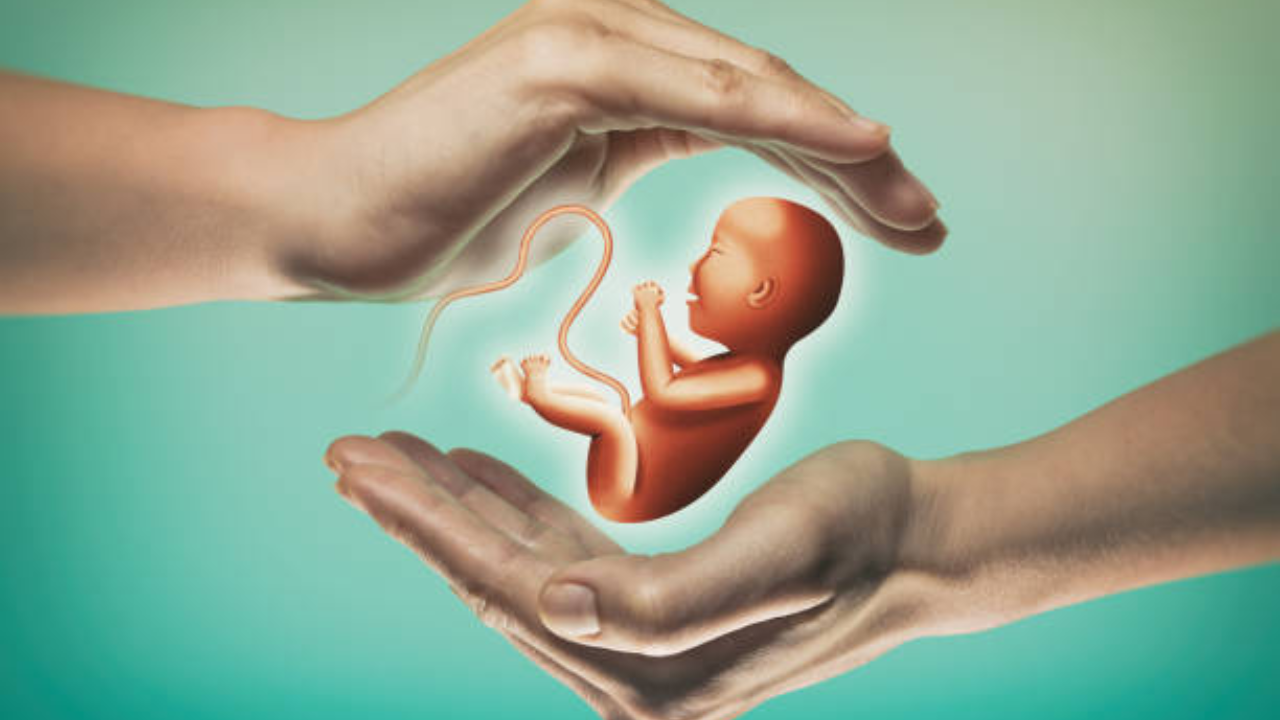
The process of IVF can be an emotional journey, and the frozen embryo transfer (FET) is a pivotal step toward pregnancy. In this procedure, previously frozen embryos are thawed and transferred into the uterus, offering a well-prepared, supportive environment for implantation. This period requires careful attention to lifestyle choices and activities to ensure the best chances of success. In this guide, Dr Nishi Singh, Head of Fertility at Prime IVF will give insights on what to do and avoid after frozen embryo transfer.
Here's what you need to doTake proper rest: Rest is essential in the initial days following your embryo transfer. Although complete bed rest is not necessary, make sure to avoid hard-core activities and give your body the opportunity to impact better. Listen to your body and take short walks to promote blood circulation without overexerting yourself.