
Get all your news in one place.
100’s of premium titles.
One app.
Start reading
Livingetc
Livingetc
Amiya Baratan

Do Houseplants Feel the Cold? The Ideal Temperature for Your Home so Your Indoor Garden Doesn't Suffer in Winter, Explained

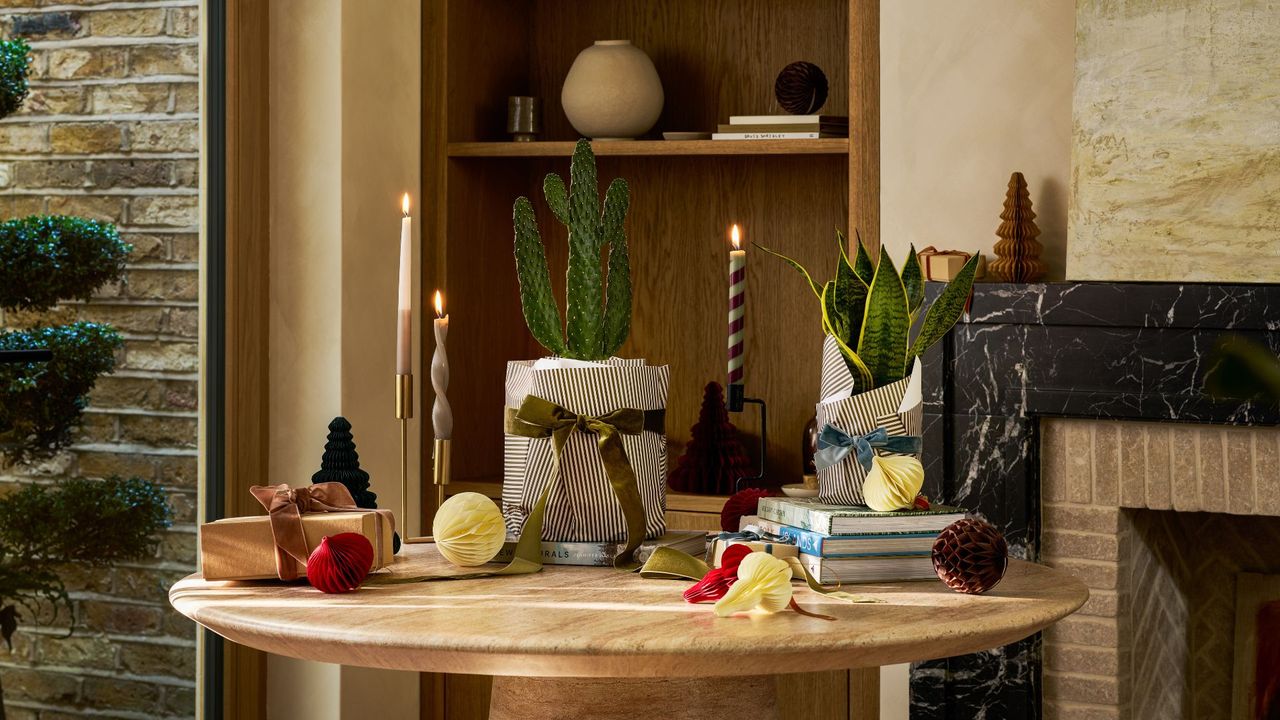
A marble table with a potted cactus and a potted snake plant surrounded by taper candles, paper ornaments, and ribbons.

When the winter chill sets in, it's easy for us to bring out our cozy throw blankets and warm up. But what about our houseplants? It's a known fact that indoor gardens need a touch of extra help to stay thriving, and the temperature is among the most important things to consider.

And this goes for even the best indoor winter plants. So, what's the best temperature for your cultivars to feel comfortable and grow healthily through the end of the year?

Well, I asked the experts and here's what they had to say.

Do Houseplants Feel Cold in the Winter?

Your potted plants feel the drop in temperature differently but experience it nonetheless. (Image credit: Patch Plants)

Although plants don't technically experience the cold like people or pets do, gardening expert Lindsey Chastain explains that they do react to temperature changes.

"As the temperature cools off, the plants will slow down growth. And in turn, humidity levels tend to drop, so plants can also get drier in colder temperatures," she says. "The trick is balancing between keeping the indoor ambiance while accommodating for slower growth."

When it comes to these common problems in winter houseplants, understanding the ideal temperature is one of the key ways to support your cultivars so that they remain comfortable.

What's the Ideal Temperature for Indoor Gardens in the Winter?

Pleasant indoor weather for your houseplants is a must over winter. (Image credit: Beards & Daisies)

Marina Prokaten, gardening expert at Plantum, warns that your comfortable temperature isn’t always 100% suitable for your home garden. "Most plants thrive best within the temperature range of 16° to 24° C," she says.

"This is a perfect range for the majority of indoor foliage, including caladiums and hostas. Most flowering types like begonias and African violets prefer the same temperatures during the day with a drop to 13° to 16° C at night, which imitates their natural growing conditions."

She tells me that most low-maintenance indoor plants aren't highly sensitive to temperatures and will be happy and healthy within this range.

How to Tell When the Temperature Needs Adjusting

Keep an eye out for any signs your houseplants are not as cozy as they should be. (Image credit: Colin Way. Design: Mera Studio Architects)

According to Marina, the most common symptoms of the wrong temperature regime are slow growth and poor blooming. "If you notice the leaves on your houseplant curling, dropping, browning, or yellowing, this could also indicate inoptimal temperatures," she notes.

"However, these same symptoms may indicate other problems. So make sure to eliminate other potential problem factors before coming to the conclusion that your plants need higher or lower temperatures."

This is especially important when growing cold-tolerant indoor plants since they aren't as sensitive to winter weather. Or, you can use houseplants for temperature control, too. There are plenty of options, and no reason your collection should suffer the consequences of the cold.

Indoor Winter Plants

Aside from the lack of warm weather, winter months also bring a deficiency of sunlight. But there's a solution to this common problem, too. And it comes in the way of light therapy for your houseplants to help cover all your bases and bring beautiful blooms.

Sign up to read this article
Read news from 100’s of titles, curated specifically for you.
Already a member? Sign in here
Related Stories
Top stories on inkl right now
One subscription that gives you access to news from hundreds of sites
Already a member? Sign in here
Our Picks
Fourteen days free
Download the app
One app. One membership.
100+ trusted global sources.