All it took was a few incorrect characters buried inside an insurance policy to create a bureaucratic mess for a young driver involving the DMV, a lender, vehicle registration records, and the terrifying reality that her vehicle may have been mistakenly uninsured for nearly a year. The lesson is that it’s important to look at all automotive paperwork with a close eye, and maybe even a magnifying glass.
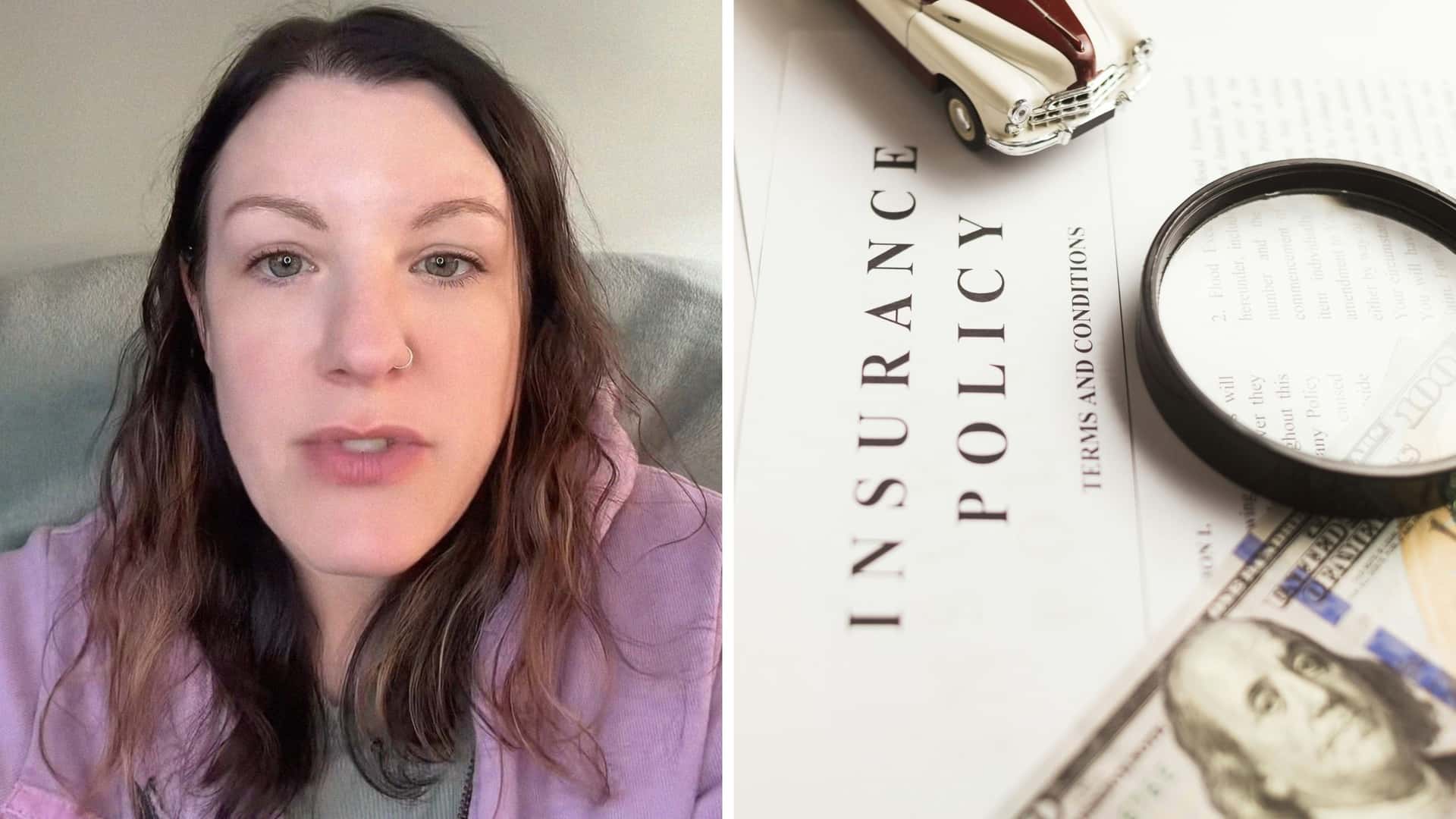
The clip from insurance-focused creator Cara (@friendlyneighborhooduw) starts with a portion of a clip from a driver named Ashley, who shares her reaction to the news that she’s gone months without insurance coverage for her car, despite making monthly payments on time. Then, Cara cuts in to explain that a typo in the vehicle identification number (VIN) was the cause of the problem.

“We find out later that it's because her VIN is incorrect. Actually happens quite frequently, or it's a typo on the insurance company's side,” she says in a TikTok that’s been viewed more than 156,000 times.
“Typically the insurance company can correct the VIN back to the date that you got the policy or put the car on the policy. You can report that to both your lender and the DMV so that it's, it's showing that you've had continuous insurance," Cara explains.
Insurance Errors Travel Fast
Ashley learned the hard way that the consequences of an incorrect VIN on an insurance policy can be far-reaching. Fairly quickly and quietly, the erroneous coverage information spread to lenders and state databases, suggesting that her insurance payments covered an entirely different, unidentified vehicle.
Ashley initially explained in her original clip that the problem arose after she received a notice stating she couldn’t renew her registration because the records showed the vehicle wasn’t insured.
“And I got a pretty little paper that's from the DMV saying, hey, you don't have insurance, so you're not gonna get your tag,” she said.
Cara said that once the wrong VIN is attached to a policy, the error can spread surprisingly far through automated reporting systems without any triggers or safeguards to detect it. The driver can be among the last to know. The only other way Ashley may have found out faster is if she’d been in an accident, gotten pulled over for a moving violation, or had to file a damage claim, in which case she’d possibly have been on the hook to pay for damage until the VIN confusion was corrected.
“What can happen is that they're going to report that incorrect VIN to your lender, to the DMV, and it's going to show as if there's insurance on that specific vehicle and not the one that you've actually bought,” Cara adds.
That detail about mismatched coverage seemed to resonate with many viewers. One commenter claimed her aunt was temporarily denied access to a military base hospital because the VIN attached to the insurance paperwork didn’t match the vehicle records.
One commenter, who identified themselves as familiar with claims handling, said insurance companies will often investigate the discrepancy and work with underwriting departments to retroactively correct the VIN if the mistake is verified.
“It is a process, but it’s def not the insurance just trying to scam someone or deny a claim,” they wrote.
That question of what happens if you file a claim before discovering the VIN error quickly became one of the biggest concerns running through the comments. Cara suggested the issue is usually fixable, particularly if the incorrect VIN resulted from a typo or administrative error rather than intentional inaccuracy. Still, she warned that discovering the mismatch during a claims investigation is far from ideal.
“You may have to show some proof that that VIN number is actually what is on your paperwork,” she said.
How To Keep Everything Covered
Cara also noted that she was concerned Ashley appeared to be insured under her mother’s policy, which can sometimes create separate complications depending on where the vehicle is primarily kept and who actually drives it most often. But most viewers seemed far more rattled by the idea that a simple VIN typo could quietly snowball for months before anyone noticed.
Consumer insurance experts generally recommend periodically comparing the VIN listed on insurance cards and declarations pages with the number printed on the vehicle registration or title paperwork, or visible through the windshield on the dashboard. Because insurers, lenders, and DMVs often exchange coverage information electronically, even a small mismatch can trigger registration holds or lender notices once databases attempt to verify coverage.
Further into the comment section, a semantic skirmish broke out over whether people should say “VIN” or “VIN number,” with viewers comparing the phrase to saying “ATM machine,” or “chai tea.” Still, most of the discussion focused on the pains of recordkeeping mixup, with several shared stories about similar paperwork snafus that caused plenty of real-world.
Underneath all the jokes was the lesson and anxiety that likely sent lots of viewers checking their own insurance cards to make sure they weren’t unknowingly paying to insure a mystery vehicle halfway around the world.
Motor1 reached out to Cara via direct message and email. We’ll update this if she responds.