
DJI appears to be preparing a refresh of its most accessible consumer drones, with two new models, the Lito 1 and Lito X1, now semi-confirmed through regulatory listings and certification documents.
The upcoming drones were first spotted in filings with the US Federal Communications Commission (FCC), and while DJI has yet to formally announce either model, the appearance of both names in official documentation strongly suggests a launch is on the horizon.

A new entry-level direction
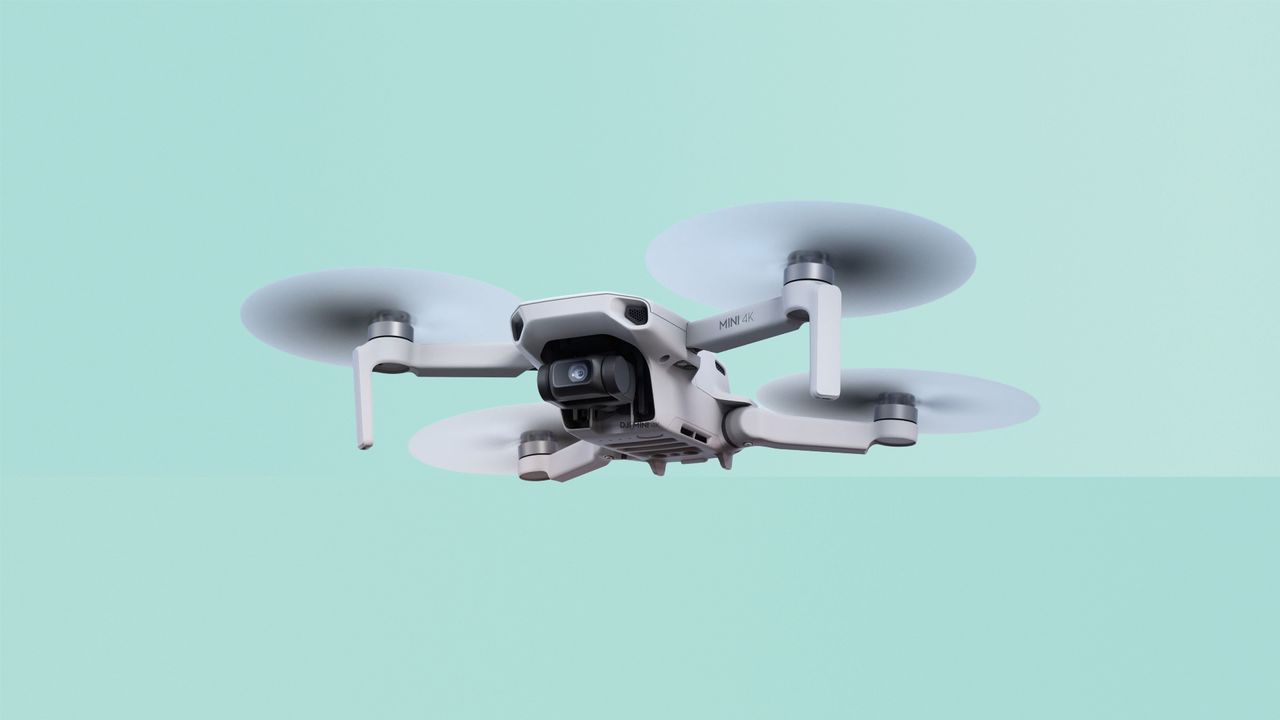
Based on the information available so far, the Lito 1 and Lito X1 look positioned below DJI’s prosumer offerings, instead targeting first-time flyers and casual creators, a space currently occupied by drones such as the incredibly popular DJI Mini 4K, as well as DJI Neo 2 and DJI Flip models.
The Mini 4K was launched on 29 April 2024 and features a 1/2.3-inch CMOS camera capable of shooting 4K video at up to 30 fps and 12 MP stills, with stabilisation via a three-axis gimbal for smooth aerial footage.
It offers a maximum flight time of around 31 minutes, up to 10 km of video transmission range with DJI’s O2 system, and a suite of intelligent modes like QuickShots and GPS-assisted hovering.

Both upcoming drones appear to prioritise simplicity and ease of use, with integrated internal storage among the clearest confirmed features.
The Lito 1 has 22GB of onboard storage, while the Lito X1 increases this to 42GB, reducing reliance on microSD cards.
Crucially, nothing in the leaked material suggests these drones are intended to replace higher-end Mini models.
The DJI Mini 5 Pro, which sits firmly in the prosumer category thanks to its advanced camera system and flight features, appears unaffected by the Lito series based on current evidence.
What the filings reveal (and what they don’t)
Beyond storage capacity, the FCC documents confirm that both drones use DJI’s latest wireless transmission hardware, with the Lito X1 expected to support a more advanced version than the standard Lito 1.
While reports speculate about extended range and enhanced obstacle sensing on the X1, DJI has not yet confirmed camera specs, sensor size, video resolutions, or flight times.
The presence of FCC certification typically indicates that a product is moving closer to market.
Confidentiality deadlines attached to the filings point to late spring as the latest possible window for a public announcement, making a Q1 or early Q2 launch plausible.
If that timeline holds, DJI could soon be refreshing its beginner-friendly lineup while leaving its prosumer Mini range untouched — a sensible move at a time when drone regulations, pricing pressure, and ease of use matter more than ever.
[via Notebookcheck, NewCamera]