Get all your news in one place.
100’s of premium titles.
One app.
Start reading
Tom’s Guide
Tom’s Guide
Technology
Grace Dean

Ditch the small burner — how bridge elements have made induction cooking a breeze

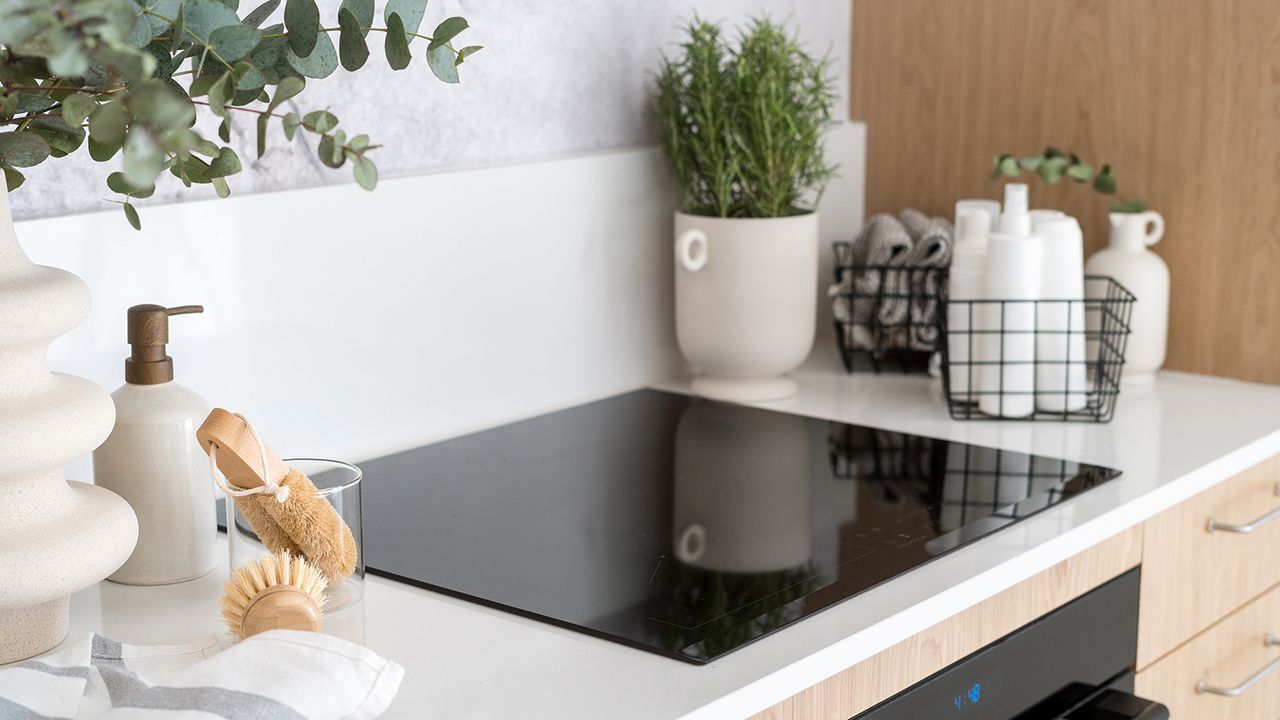
Induction cooktop in a white kitchen next to natural cleaning products .

When I was looking into buying an induction cooktop, something that I learned about was bridge elements. And it turns out they're actually one of the main appeals of induction cooking, but how does it work and is something you should look out for when shopping?

I actually opted for separate cooking zones that didn't have the bridge elements and now I'm kicking myself as it would've been really nice to take advantage of them. And, I've found so many more reasons for using them than I first thought. If you're considering what induction cooktop to get, I asked an expert at Hisense to make sure you've got all the information you need to make your choice.

What are bridge elements?

(Image credit: KitchenAid)

When I was picking my induction cooktop, it really came down to size. What could I fit in, how much was I going to be cooking on it, how much space did I need for said cooking? I was lucky enough to have a little extra room for a larger model, which meant I could pick one with five separate cook zones to tackle big meals in one go. But, should I have gone for bridge elements?

Well, Chloe Blanchfield, product marketing manager at Hisense UK, explains exactly what they do: "Induction cooktops that bridge elements let you combine two or more areas, creating an even larger cooking surface so you can often fit bigger plans on a smaller stove. This means a physically smaller cooktop can then still handle larger cookware when needed."

So, while I opted for separate zones, if I'd considered going for bridge elements, I could've used these zones to tackle even bigger pans, like griddles or larger roasting trays.

How do they work?

(Image credit: SMEG)

While I love the flexibility that an induction cooktop has given me, bridge elements are there to give you even more. "With bridge element cooktops, you're not longer limited to standard-sized cooking zones. Simply connect two zones together for an expansive cooking surface that adapts to your needs," explains Blanchfield.

And she added: "Allowing the accommodation of larger pots, pans or multiple smaller cookware at once, bridge zones ensure you can handle any cooking scenario with ease."

If you know you have cookware that would require a larger, perhaps longer zone, you should think about looking out for bridge elements when shopping for your induction cooktop. Then, you've got the cooking flexibility that means you can use your standard pots and pans most of the time, and your bigger ones, when needed.

As an advanced feature though, induction cooktops with bridge elements will generally cost you more than other models. There's also the possibility that your cooking won't be as even if the bridge between two zones heats just the two zones and not the area in-between. You can purchase models that cover the whole area, but again, they'll cost you a fair bit more.

So, while I'm glad I saved myself a bit of money buying a more standard features induction cooktop, I do wish I could take advantage of bridge elements for those bigger cookware needs.

More from Tom's Guide

Sign up to read this article
Read news from 100’s of titles, curated specifically for you.
Already a member? Sign in here
Related Stories
Top stories on inkl right now
One subscription that gives you access to news from hundreds of sites
Already a member? Sign in here
Our Picks
Fourteen days free
Download the app
One app. One membership.
100+ trusted global sources.