What does Star Wars even mean anymore? If we just glance at the last few high-profile Star Wars projects, from Andor to The Mandalorian and Grogu, to Maul: Shadow Lord to even The Acolyte, contemporary Star Wars tends to be about anti-heroes, reluctant heroes, villain origin stories, or straight-up villains. All of these projects have merits, and all are very different from each other. But none of those recent projects featured heroic Jedi swinging their lightsabers to save the day. In other words, even the most traditional of newer Star Wars (like Ahsoka) has tended, post-Last Jedi, to be a kind of Star Wars deconstruction; Star Wars commenting on itself for better (Andor) or for worse (The Rise of Skywalker).
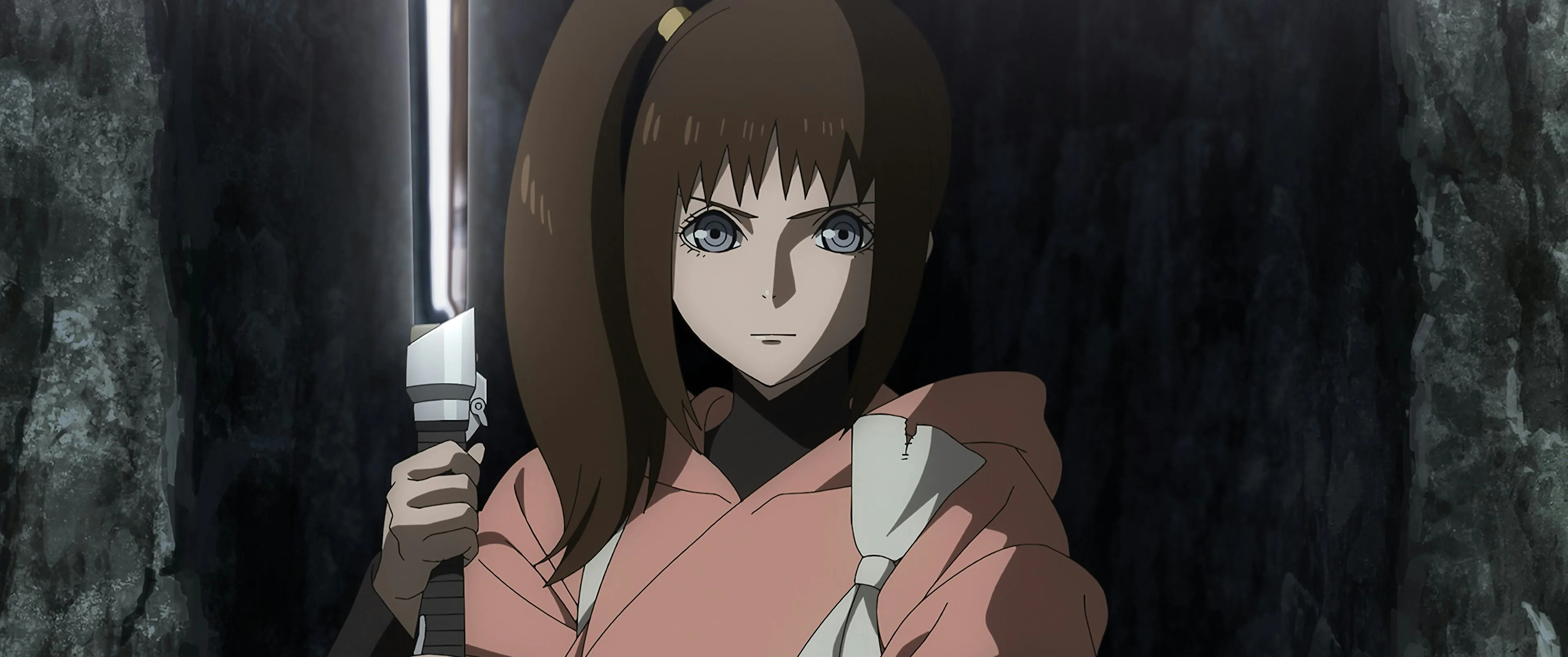
Luckily, with the debut of the new anime series, Star Wars: The Ninth Jedi, the self-referential navel-gazing is kept to an absolute minimum. Like the two short episodes that birthed the series, The Ninth Jedi is great because it simply is Star Wars, without trying too hard to figure out what that means. Refreshingly, The Ninth Jedi treats the tone and concepts of Star Wars as given, but weaves a new story with all-new characters and new planets, with a wonderful sense of mythology come to life. Is The Ninth Jedi derivative of various Star Wars ideas we’ve seen over the years? Yes, but not in a slavish, fan-service-y way. If The Ninth Jedi was a child’s first introduction to lightsabers and the Force, it would be an awesome one, and the series, overall, represents the freshest and most invigorating take on Star Wars since the 1990s explosion of novels and comic books.