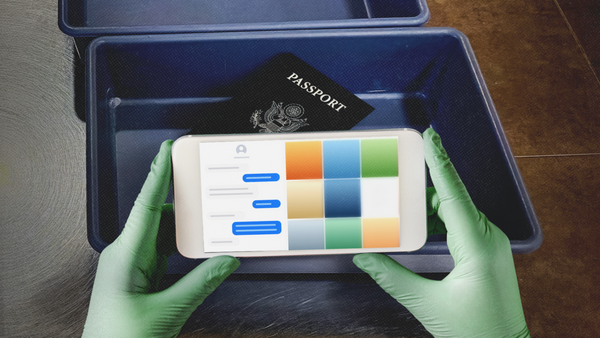
At the height of the COVID pandemic in 2020, United States President Donald Trump came up with a brilliant strategy to deal with the ballooning number of infections being recorded every week - "slow down the testing".
A similar logic is again being applied by some academics to this year's National Assessment Program Literacy and Numeracy test scores that were published during the week. Those results point to an alarmingly high number of students failing to meet challenging but reasonable levels of writing and numeracy.

NAPLAN, which seeks to provide an annual snapshot of progress in core disciplines of reading, writing, language and numeracy, has never been far from controversy since it was introduced by the Gillard government in 2008. Critics (and there are many) argue it is too narrow in focus, is too reliant on the performance of students on one day, and isn't taken as seriously as other tests because those sitting it know it does not affect their overall academic results.
While those criticisms are valid, dismissing NAPLAN entirely would be to lose a valuable insight into our schools. As flawed as it may be, it is one of the best early indicators we have of problems emerging.
Just such a warning has emerged this year, with the national results showing thousands of students across the country falling short on the first steps of their learning journey. In particular, those in regional and rural areas and those from less advantaged backgrounds are falling further behind. Nationally, one in three students was classified as developing or needing additional support.
Even in areas like the ACT which, despite having pockets of disadvantage generally enjoys high scores thanks to the territory's overall higher socio-economic status, there are warning signs.
Despite significant investment and reform of the territory's teaching of literacy and numeracy, this year's results, when adjusted for socio-economic advantage, can best be described as stagnant.
As education reporter Sarah Lansdown noted, schools are supposed to be the great equaliser, but student NAPLAN results are still mostly determined by when your parents finished their education journey. NAPLAN has also shown us that even in the ACT, students are not performing as well as they should. That's valuable data.
Few setbacks can be more damaging to a child's chances of a happy, successful life, than missing some of the first rungs on the education ladder. Any data that identifies those gaps and forces us to consider whether what we are teaching is working is worth having.