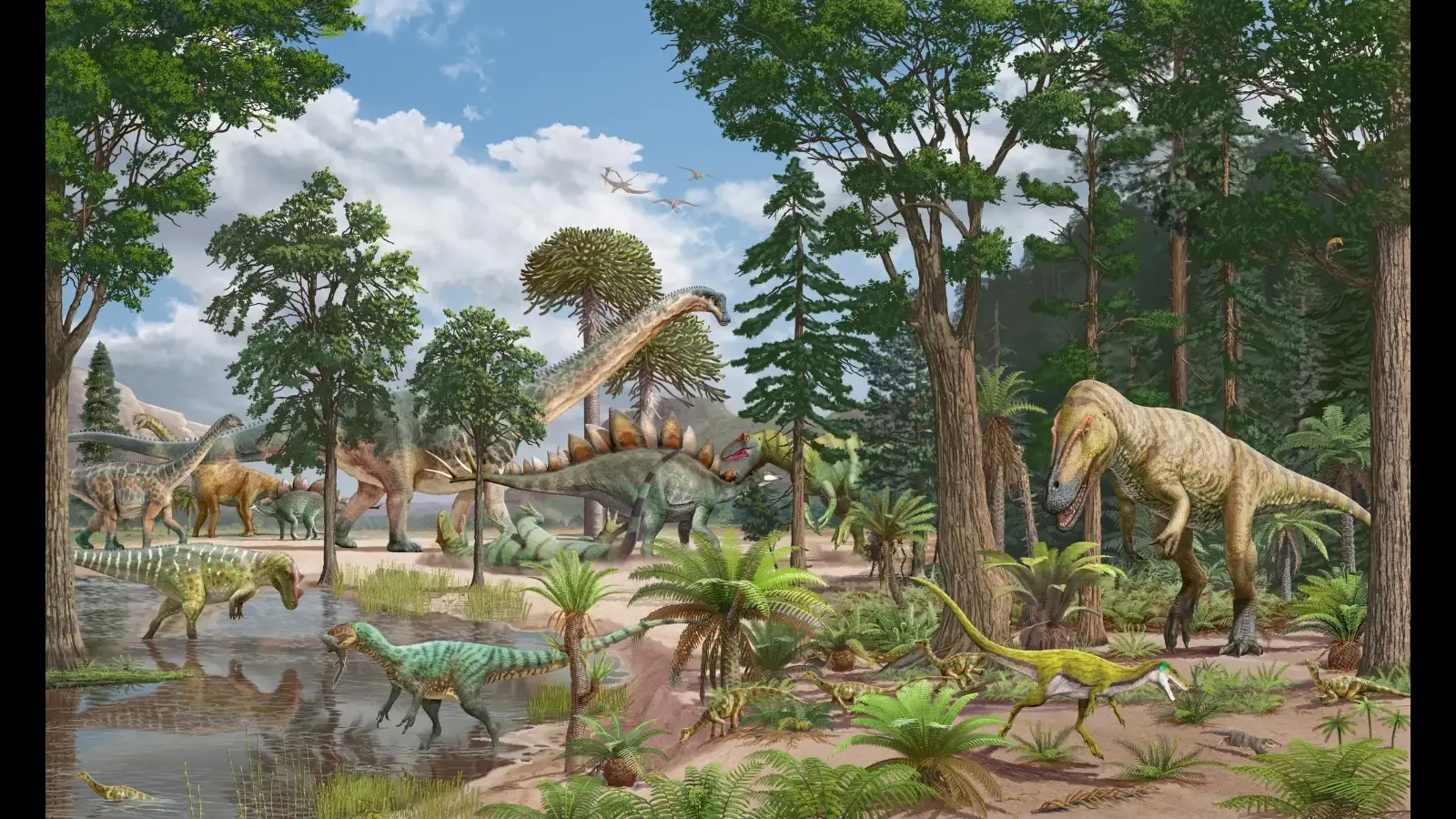
Dinosaurs dominated the Earth for more than 160 million years. They evolved into countless species, occupied nearly every major habitat, and became the undisputed rulers of prehistoric ecosystems. Then, in what may have been one of the most catastrophic moments in our planet's history, their reign ended approximately 66 million years ago. Scientists have long agreed that a massive asteroid strike triggered the extinction event, but one question has remained at the center of scientific debate: How exactly did the dinosaurs die? Did they slowly perish over months or years as darkness covered the Earth and food supplies collapsed, or were many of them killed almost immediately by the unimaginable power unleashed during the impact? New research is strengthening the case for a far more sudden and devastating scenario, suggesting that the force of the collision rapidly transformed the planet into an environment few living creatures could survive.
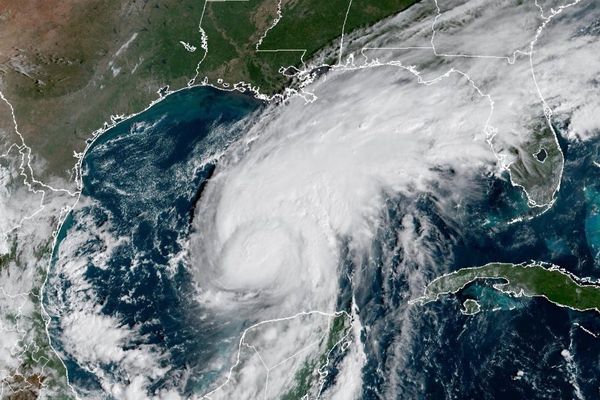
The asteroid responsible for this historic event is known as the Chicxulub impactor, named after the impact crater buried beneath Mexico's Yucatán Peninsula. Measuring roughly six miles across, the asteroid struck Earth at an estimated speed of about 12 miles per second. The collision released energy equivalent to approximately 100 teratons of TNT, a level of destruction estimated to be more than one billion times greater than the combined atomic bomb explosions at Hiroshima and Nagasaki. No event in recorded human history comes close to matching such extraordinary force.