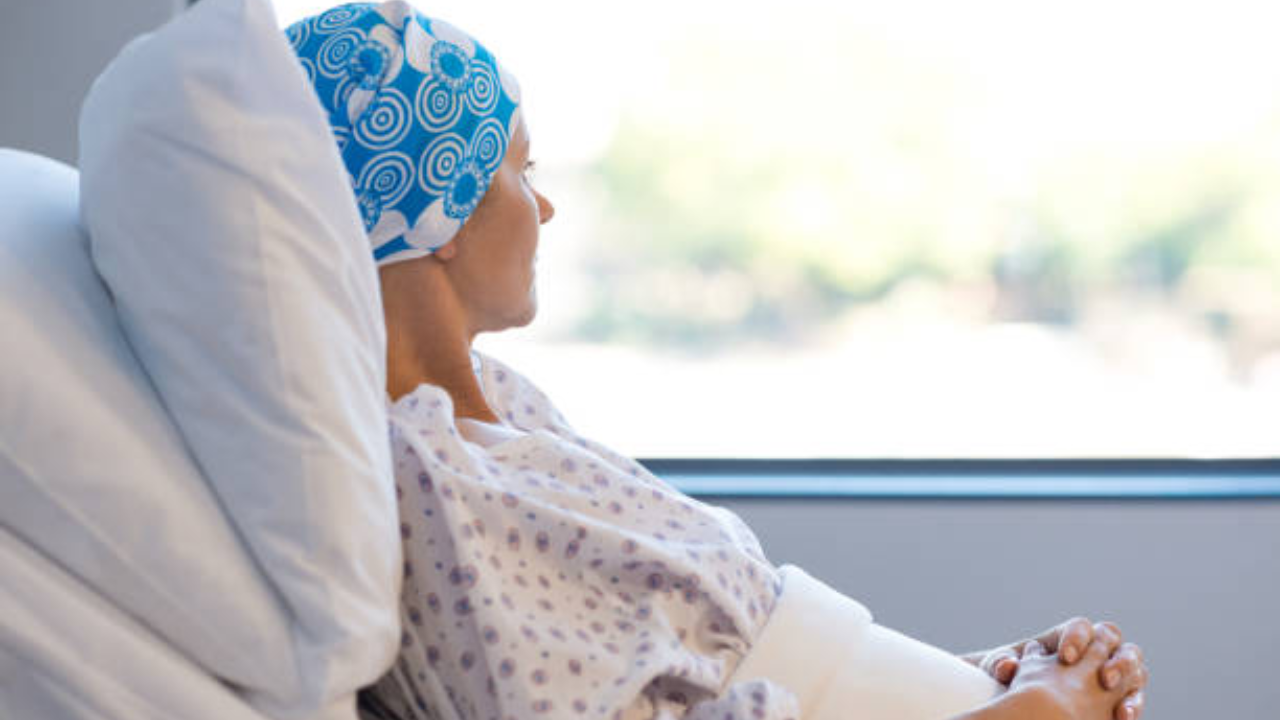
Cancer is rapidly emerging as one of the most significant health challenges across India. It is no longer limited to isolated demographics or regions but has invaded urban and rural settings alike, driven by genetic, environmental, and lifestyle factors.
According to the recent reports by Indian Council of Medical Research-National Cancer Registry Programme the estimated cancer cases in India were around 15 lakh new cases in 2023 alone. Tobacco use, a primary culprit for cancers such as lung, oral, and esophageal, affects 28.6% of the population, according to the National Family Health Survey.
Simultaneously, urbanization and lifestyle changes are fueling the prevalence of breast, colorectal, and ovarian cancers. Poor public awareness, late diagnosis, and inadequate access to advanced treatment further complicate this crisis.
Amid these challenges, however, healthcare innovations and cutting-edge treatments have ushered in a transformative phase for oncology.
Conventional cancer treatments—surgery, chemotherapy, and radiation—have been foundational, but their blanket approach often leads to undesirable side effects.
The limitations of these treatments catalysed the development of novel therapies that target cancer at its molecular roots.
1. Immunotherapy (Awakening the Body’s Natural Defenses) - Immunotherapy is a groundbreaking approach that enhances the body’s immune system to fight cancer. Drugs such as immune checkpoint inhibitors help "unmask" cancer cells, making them visible to the immune system. The success of immunotherapy in treating previously untreatable cancers, such as metastatic melanoma and advanced lung cancer, has proven to be a game-changer. This therapy not only improves survival rates but also offers durable responses, often with fewer side effects than chemotherapy.
2. Targeted Therapy (Precision in Action) - Unlike traditional treatments that harm healthy and cancerous cells alike, targeted therapy homes in on the specific genetic mutations or proteins driving cancer. For instance, certain drugs like imatinib for chronic myeloid leukemia (CML) or trastuzumab for HER2-positive breast cancer have revolutionized outcomes for these conditions. The rise of molecular diagnostics has made it possible to tailor treatments based on a patient’s tumor profile, marking a significant shift towards personalized medicine.
3. Gene Therapy (Fixing the Blueprint) - Gene therapy takes cancer treatment a step further by addressing the underlying genetic abnormalities. Through methods like CRISPR gene editing and the introduction of healthy genes, this therapy holds the promise of correcting faulty genes and reprogramming immune cells to combat tumors. While still in its infancy in clinical oncology, gene therapy offers immense potential in curative treatments for even hereditary cancers.
The application of novel therapies in India, though growing, faces hurdles such as high costs, limited infrastructure, and a lack of trained personnel. However, their benefits cannot be overstated. Improved survival rates, reduced side effects, and long-term remissions provide a more humane treatment experience. With greater awareness and investment in healthcare infrastructure, India can democratize access to these lifesaving therapies.
To combat the growing cancer burden effectively, India needs a multipronged approach:
1. Enhanced Awareness and Screening Programs: Early diagnosis significantly improves treatment outcomes. Government and healthcare providers must invest in robust awareness campaigns and accessible screening initiatives.
2. Infrastructure Development: Increasing the number of advanced cancer centers and training medical professionals in novel therapies will ensure broader access.
3. Public-Private Partnerships: Collaborations can help bring down the cost of novel therapies through subsidies, insurance support, and manufacturing advancements.
4. Focus on Research and Development: Indigenous research in novel therapies is essential for affordable and sustainable solutions tailored to India's unique cancer profile.
The fight against cancer in India is far from over. However, the advent of novel anticancer therapies offers new hope and avenues for managing and curing this relentless disease. By bridging the gap between innovation and accessibility, we can turn the tide in this battle, ensuring that every patient has a chance at life beyond cancer.
Dr. Sunny Garg, Medical Oncology, Marengo Asia Hospitals, Gurugram