
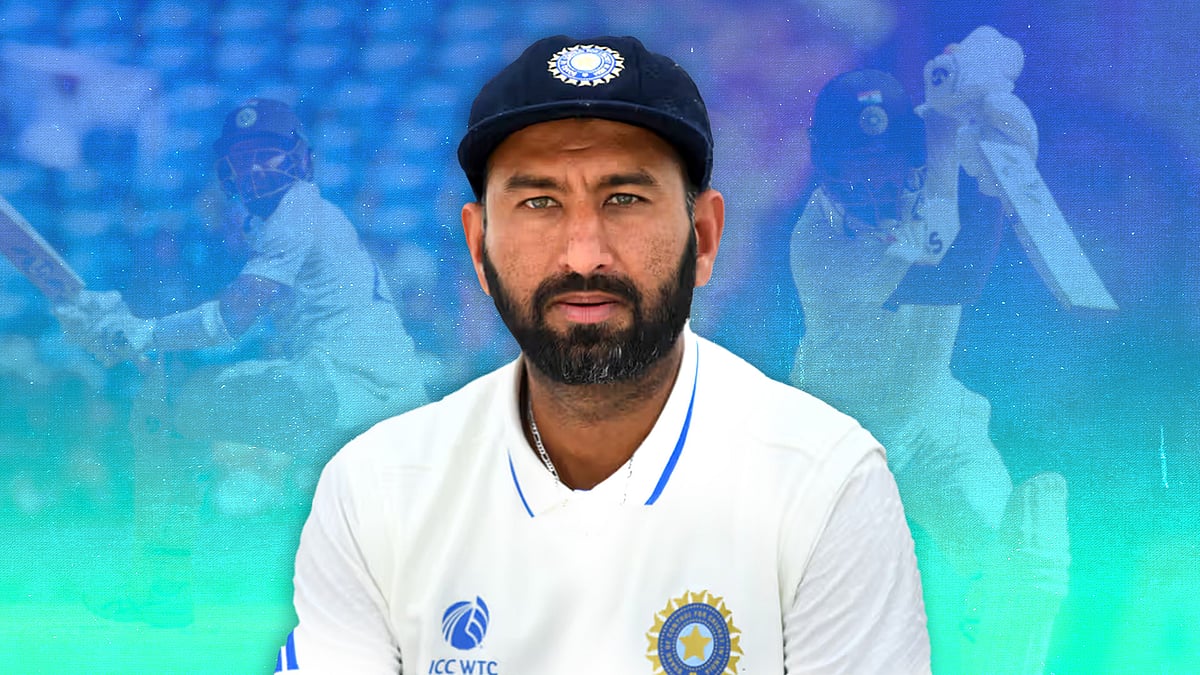
In 2007, three years before Cheteshwar Pujara made his debut, Indian social theorist Ashis Nandy remarked that Test cricket was one of the last surviving critiques of the industrial revolution. His point was that, besides its tenacity of focus stretched over five days, it was open to the possibility of no result (a draw), and negated the pull of numbers. All this ran counter to the result-oriented eddy of industrial push. In a year in which T20 cricket had arrived on the international stage, Nandy’s comment was seen as a cerebral lament. But, something important was left unsaid in that pithy take on the longest version of the sport – how it rewarded concentration. It did serve Pujara for a good part of his Test career. But, far less talked about is how it deserted him in the last leg of his career. And more importantly, why did the drift keep getting only wider?