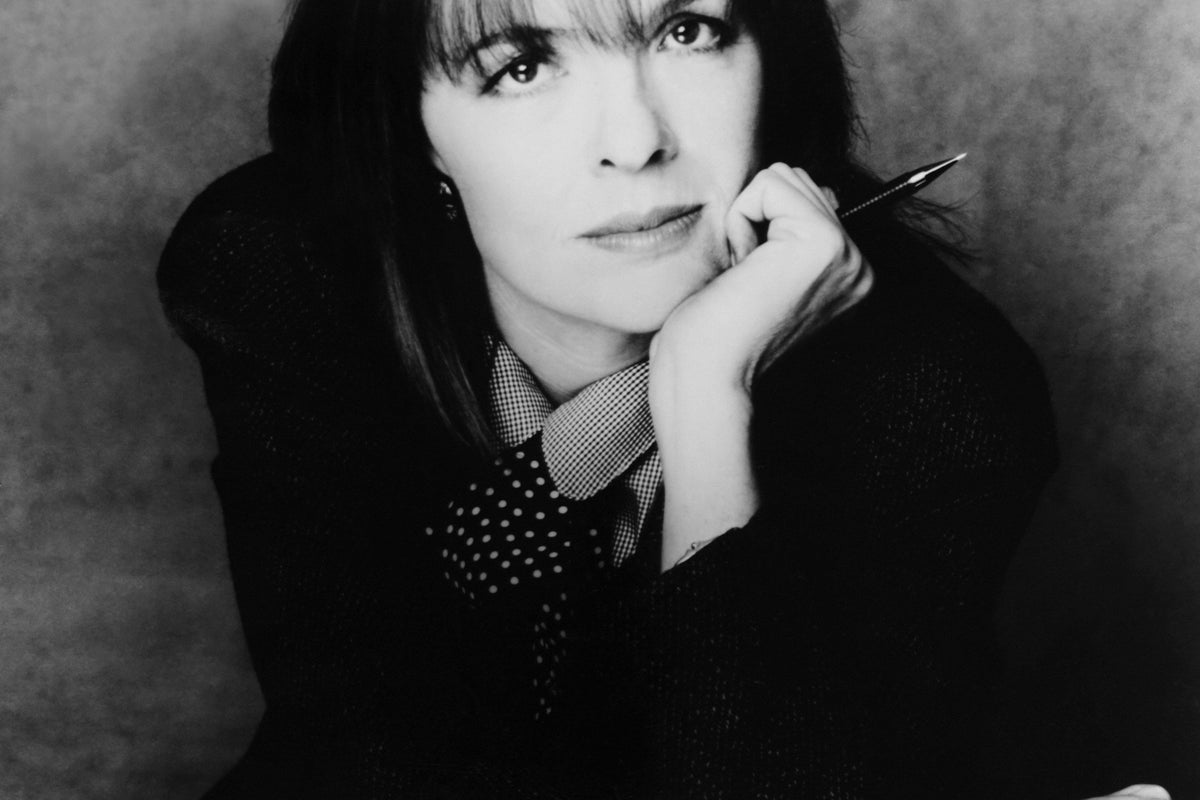
In 1987, Diane Keaton directed a documentary about dying. Heaven is a scrapbook collage of a film, in which Keaton intercuts footage of Hollywood stars, silent movies, dead clowns, and floating heads alongside interviews with individuals of all stripes: she asks them what they believe happens in the afterlife, what lies beyond this mortal coil, and whether they’ll be happy once they get there. She couldn’t believe the film got financed. “It turns out that the people who like Heaven most are from two groups: women and ‘experiential’ types,” she told Interview magazine that year. “I asked, ‘What’s an experiential type?’, and it turns out that they’re your weirdos, oddballs – your downtown set.”
Keaton, who has died at the age of 79, had a life full of these eccentric little detours. It’d be wrong to call her underrated. The outpouring of love from co-stars, exes and movie fans in the hours since the news broke is proof of how much she mattered – as an icon of New Hollywood filmmaking, a symbol of off-kilter style and off-kilter living, and a pioneer in how we think about comedy, romance and performance on screen. But there was always a sense that few got the totality of her, that she had unusual interests and a singular point of view on the world that went beyond the androgynous dressing for which she was known, or that anxious, fiddly la-di-da, la-di-da, la la of her voice.