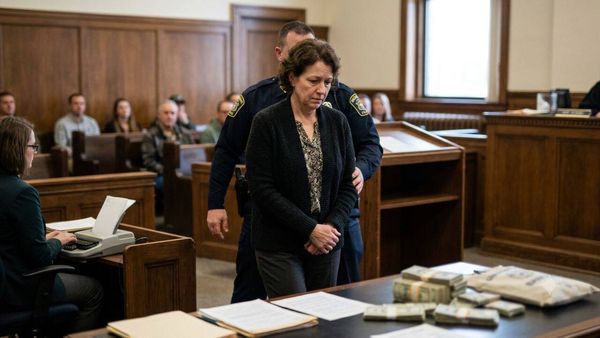
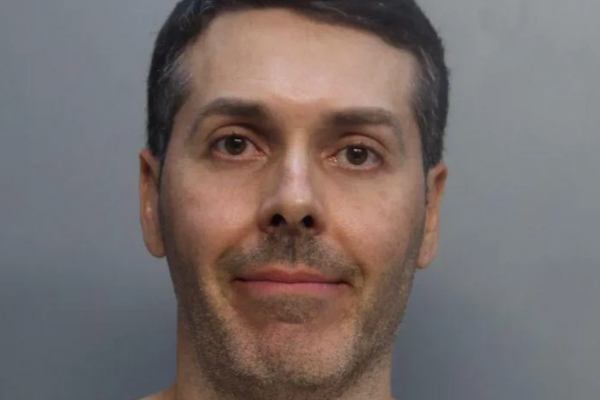
On a Friday night in March 2023, Sean Horan called 911 to report that Michael Mendenhall, who runs a staffing agency out of a converted townhouse on Blake Street in Denver, had threatened him with a baseball bat. Based on nothing more than Horan's one-sided account of a confrontation at Mendenhall's townhouse, police officers arrested Mendenhall for felony menacing. To support that charge, Detective Nicholas Rocco-McKeel obtained a search warrant by repeating what another officer told him Horan had said. During the ensuing search of the townhouse, police seized the baseball bat as evidence.
Prosecutors dropped the case against Mendenhall less than a week later, and it is not hard to see why: Horan's account of what had happened was inconsistent and improbable. But police never returned the bat, which was a valuable collector's item because it was signed by players at the 2021 Major League Baseball All-Star Game in Denver. That purloined bat is at the center of a case that aims to overturn a controversial 1960 Supreme Court precedent allowing home searches based on hearsay. Mendenhall argues that the warrant authorizing the search of his property was invalid under the Fourth Amendment because it relied on thirdhand information rather than Rocco-McKeel's personal knowledge.
"The Fourth Amendment must be enforced in its entirety," says Anya Bidwell, a senior attorney at the Institute for Justice, which represents Mendenhall. Although "the Fourth Amendment bans reliance on second-hand information," she says, "the courts have read that requirement out of the Constitution. We're fighting to bring back the original understanding of this very important protection."