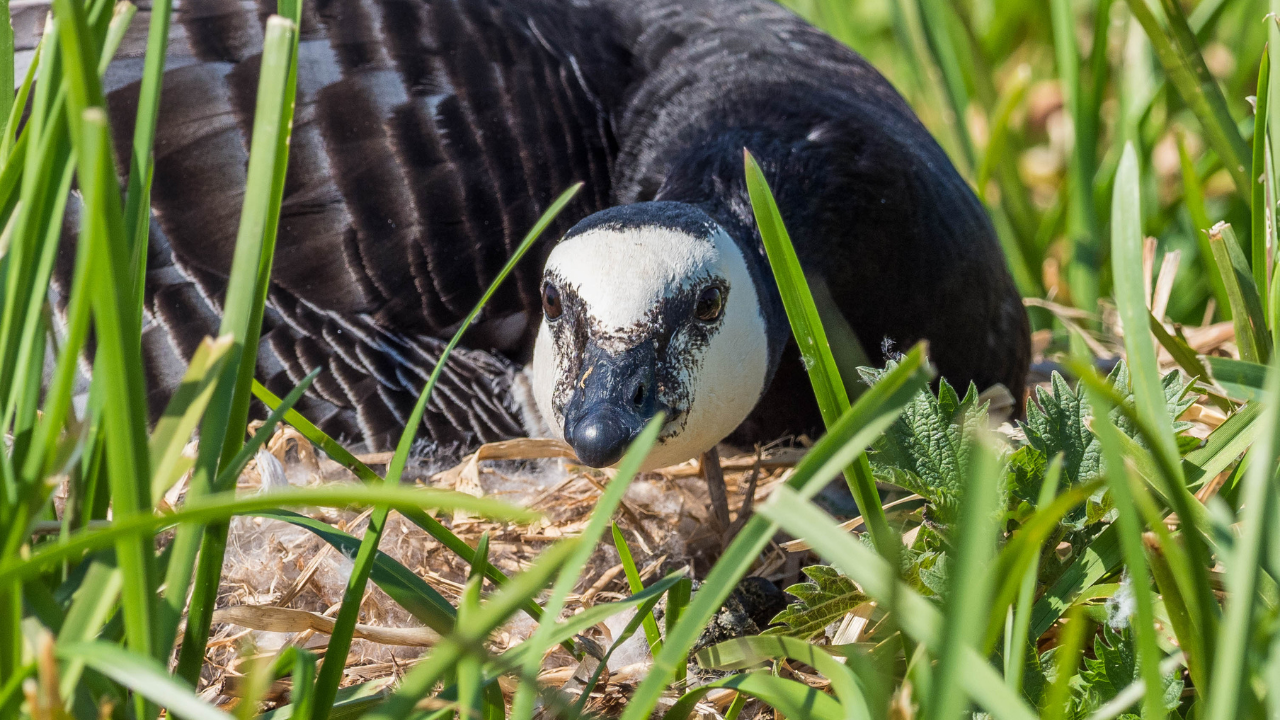
Thousands of migratory geese descend on Denmark’s farmland every winter, stripping winter wheat fields until little more than short stubble remains. For years, many farmers have blamed the birds for disappointing harvests, while conservationists have argued that wheat can recover once spring arrives. A new peer-reviewed study published in Springer Nature suggests both sides were partly right. After monitoring heavily grazed wheat fields and recreating worst-case grazing conditions, researchers found that the biggest threat is not how much geese eat during winter, but when they continue feeding. Heavy winter grazing alone left grain harvests largely unchanged, while grazing that extended into late spring consistently cut yields by around 7% to 10%.
Get breaking news anytime, anywhere. Download the TOI app now!