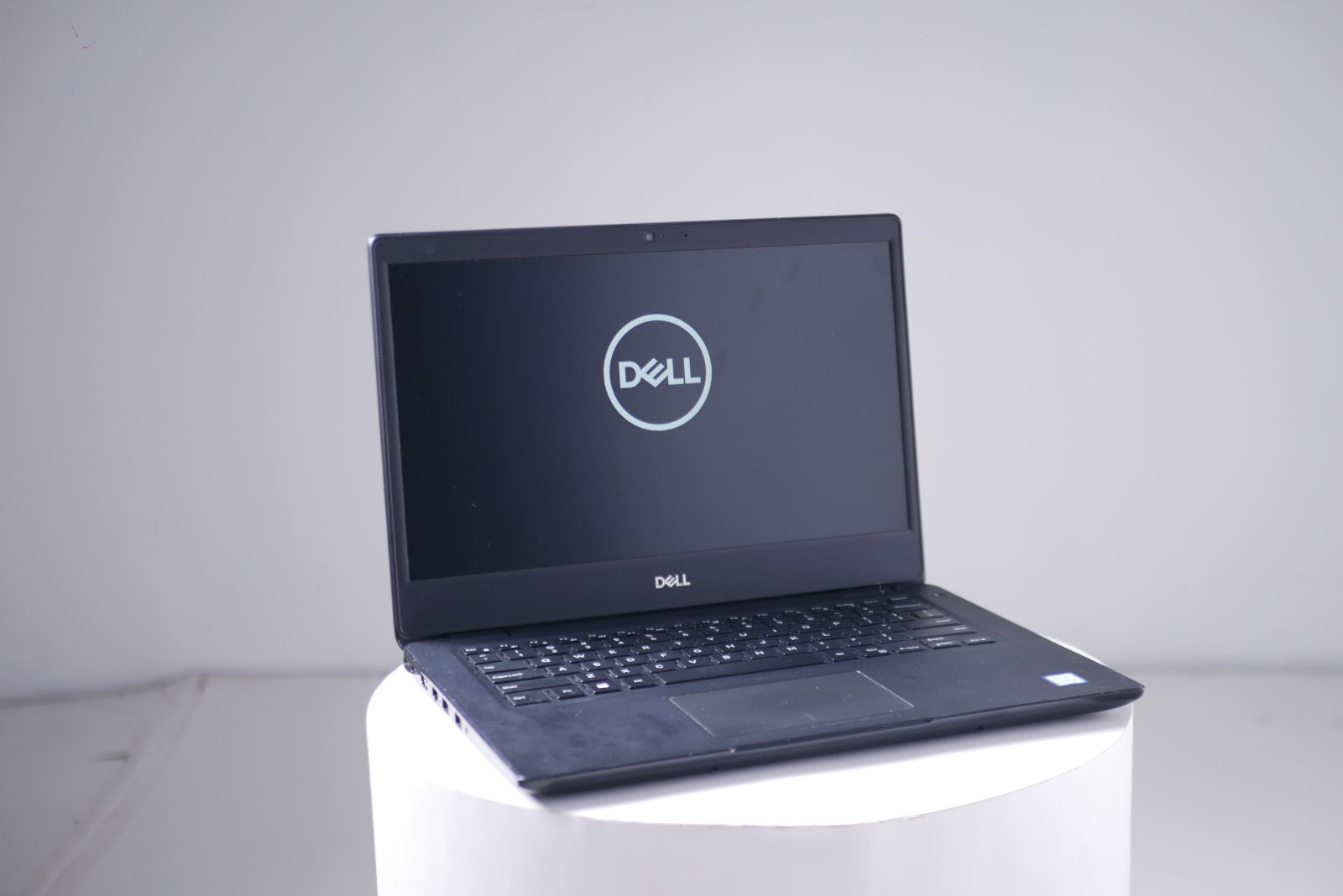
A common criticism of Dell Technologies (DELL) is that it is just a low-margin hardware assembler riding the AI wave. The company’s low to mid single-digit margins weren’t attractive for investors, and the general fear is that if the company relies on the same business again after helping build the AI infrastructure, it could give back all the AI gains. This fear isn’t justified in my view as the company’s business has transformed considerably. Looking at it from the lens of a law-margin business isn’t justified anymore, as the cash generation part of the business has massively changed for good.
Dell has a negative cash conversion cycle of 32 days. This means it collects cash from customers 32 days before it has to pay its vendors. Using this advantage, Dell set itself up perfectly for the AI infrastructure demand. For example, when DRAM prices surged, Dell repriced its entire server book and thousands of PC quotes in January. No other hardware vendor was able to move at this speed at such a scale. When combined with the negative cash conversion cycle and the supply chain advantage of their direct model, it gave Dell an operational moat that others like Hewlett Packard (HPE) and Lenovo (LNVGY) haven’t been able to replicate in their businesses. This is why looking at margins alone is a mistake. As an example, HPE is a margin leader at 13.4% EBITDA margin, while DELL only has 10.5%. However, where HPE earns almost zero return on capital, DELL does a great job with a return on capital of between 20% and 25%. This capital return is where investors need to look, rather than the margins.