
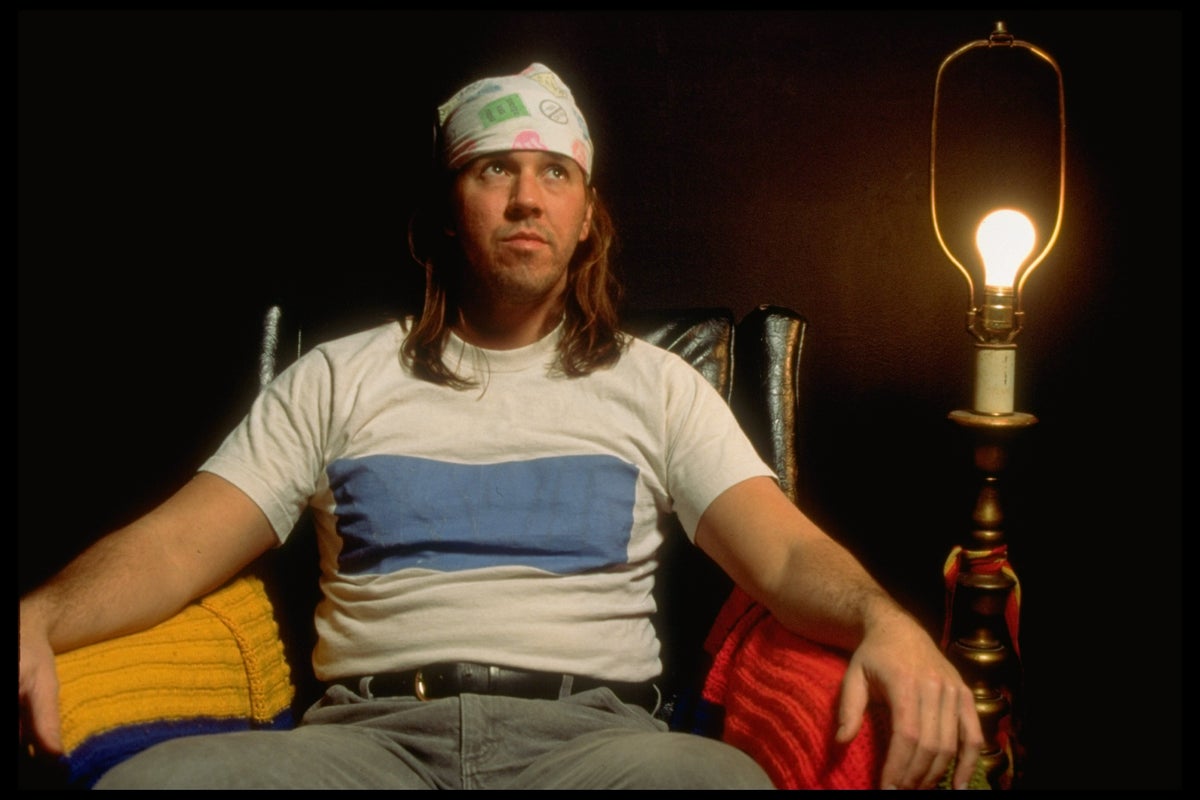
There are few books that carry quite so much baggage as David Foster Wallace’s Infinite Jest. The 1,079-page tome is a sprawling, indulgent, prescient, imaginative and altogether utterly idiosyncratic novel, about things both vast and specific: media consumption, drug addiction, political subversion, and the punishing demands of junior tennis. Today, 30 years after its publication, and more than 17 years after Wallace’s death by suicide at the age of 46, Infinite Jest remains one of the 20th century’s most noteworthy literary achievements. But then again, I would say this. I am a man.
The association of Wallace’s book with a certain brand of insufferable male reader – “lit bro” is sometimes the term used – dates back to the early days of Jest’s reception. Even during his lifetime, Wallace acknowledged the gender disparity in his readership. “What I’ve noticed at readings, is that the people who seem most enthusiastic and moved by [Infinite Jest] are young men,” he told interviewer David Lipsky during the Infinite Jest book tour. “Which I guess I can understand – I think it’s a fairly male book, and I think it’s a fairly nerdy book.”












