After I was posted ashore at the Military Police office at Devonport Naval Base, I was asked to support the Special Investigations Unit. It focused on historic cases of sexual violence, men assaulting other men in our Navy, stretching back to the 1980s. We called them cold cases at the time, but that didn’t quite capture it. These were survivors who, after years, sometimes decades, had found the courage to speak up.
We sifted through old files, searched archives. Dug out statements and complaints that had sat buried for years. We travelled. Met survivors. None were still serving. Some had discharged voluntarily; others, not so voluntarily. What I saw here was a very different Navy. There were medical discharge forms full of intrusive language and humiliating detail. Exams to prove guilt. Investigations triggered by nothing more than suspicion — the kind designed not to protect but to shame.
Back then, it was an offence not just to be gay, but simply to know someone else was and not report it up the chain. There was a strange, twisted kind of tolerance, but never on anyone’s terms but the institution’s. It wasn’t open. It wasn’t safe. It was a version of acceptance that relied entirely on silence.
What I found in those documents wasn’t some hidden gay community: it was a culture of silence and control. Strip away the context and someone might try to twist it into a bad porn cliché: men at sea, secrecy, blurred lines. But there was nothing sexy about any of it. It was degrading. It caused real, lasting damage. And for far too long the organisation looked the other way.
At first, I was overwhelmed. Grateful, in a weird way, that the lottery of birth had landed me in a time when the organisation was slightly safer for people like me.
It was hard to read. Harder to hear. But it needed to be heard.
I think I was brought into the team because of my subject-matter expertise. Which made sense, in theory. But yeah, it was triggering. Given what had happened to me a few years earlier, maybe it wasn’t the best idea. But they didn’t know; I never told them. How could they have known? I’d buried it so deep I’d almost forgotten it myself.
Almost.
Joining the Navy when I did gave me a shot at serving openly, or at least without who I was being illegal. Just a few years earlier, I wouldn’t even have had the chance to join. And if I had managed to, it would’ve meant hiding everything to avoid facing discharge.
And as I worked through those files, it made me think about something else. Another case, one I’d heard about early in my own career. Something much closer.
It was during my first posting to Endeavour. This incident happened on Canterbury. Not the sealift ship we have now, but the original HMNZS Canterbury—the Leander-class frigate. All steel, salt and Cold War legacy. A proper warship. A lot of my mates got posted to Canterbury after training. It was a great platform for knocking off taskbooks and getting qualified across multiple trades.
Even though I was on a different ship, the case still felt too close to home. Because while I was fresh out of training, still figuring out who I was, someone on Canterbury was sexually assaulting junior sailors. His behaviour wasn’t just inappropriate—it was predatory. Violent. Disgusting. Some sailors left the Navy because of what he did.
Word spread fast. Everyone knew about it. It was one of those stories that hung over you even if you weren’t directly involved. And I want to be clear: I wasn’t like him. I didn’t want to hurt anyone. I just wanted to serve, stay safe, and figure myself out without becoming a headline.
I met him once; one of those encounters you don’t forget, for all the wrong reasons. We were in Fremantle. I’d already heard the stories. He was loud, aggressive, one of those alpha types who always needed to be seen and heard. Known for being violent. He said vile things about women. There was a rumour that during sex he made women moo like cattle. Whether it was true or not, it told you everything about how he saw power.
And the worst part? Some of it echoed what I was doing back then too — not the cruelty, not the predation, of course. But the pretending. The projection. Pretending to be someone I wasn’t.
We ended up in the same bathroom. I was washing my hands, minding my own business, when he suddenly tried to take a swing at me. No idea why. No warning. I just stood there, stunned, thinking: What the actual fuck was that? I didn’t even know him, not really.
But he knew me. Or thought he did.
I don’t excuse it: not the violence, not the damage he caused. But the rage? The self-hatred? That I understand; I’ve felt it. That’s the part no one wants to talk about. It doesn’t make it right, but I get it. He ended up in jail. Not military jail, proper jail. He was held accountable; real consequences. And when I think back on those early years, I realise I took note of that. When he was held accountable and sent to prison, it told me the organisation was changing.
A big ship to turn, sure. But we had begun altering course.
That investigation—the cold case, the files, the interviews—it didn’t just reopen wounds for the survivors. It also peeled back layers I didn’t even realise I still had. It showed me how far we’ve come, and how far we still have to go. Because the past doesn’t just vanish. It lingers. It waits. And sometimes, it even swings first.
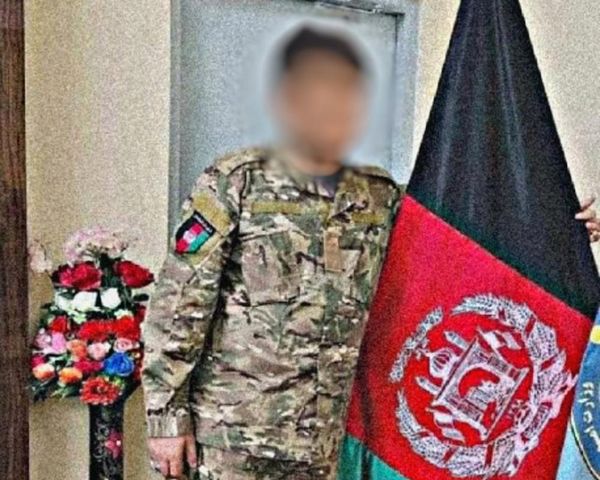
Taken with kind permission from the newly published navy memoir Built For This: A memoir of masculinity, military service and pride by Brad Poulter (Allen & Unwin, $37.99), available in bookstores nationwide. It tells of his journey towards feeling comfortable with his sexuality via 20-year Navy career that included service in Afghanistan during Bush’s War on Terror.