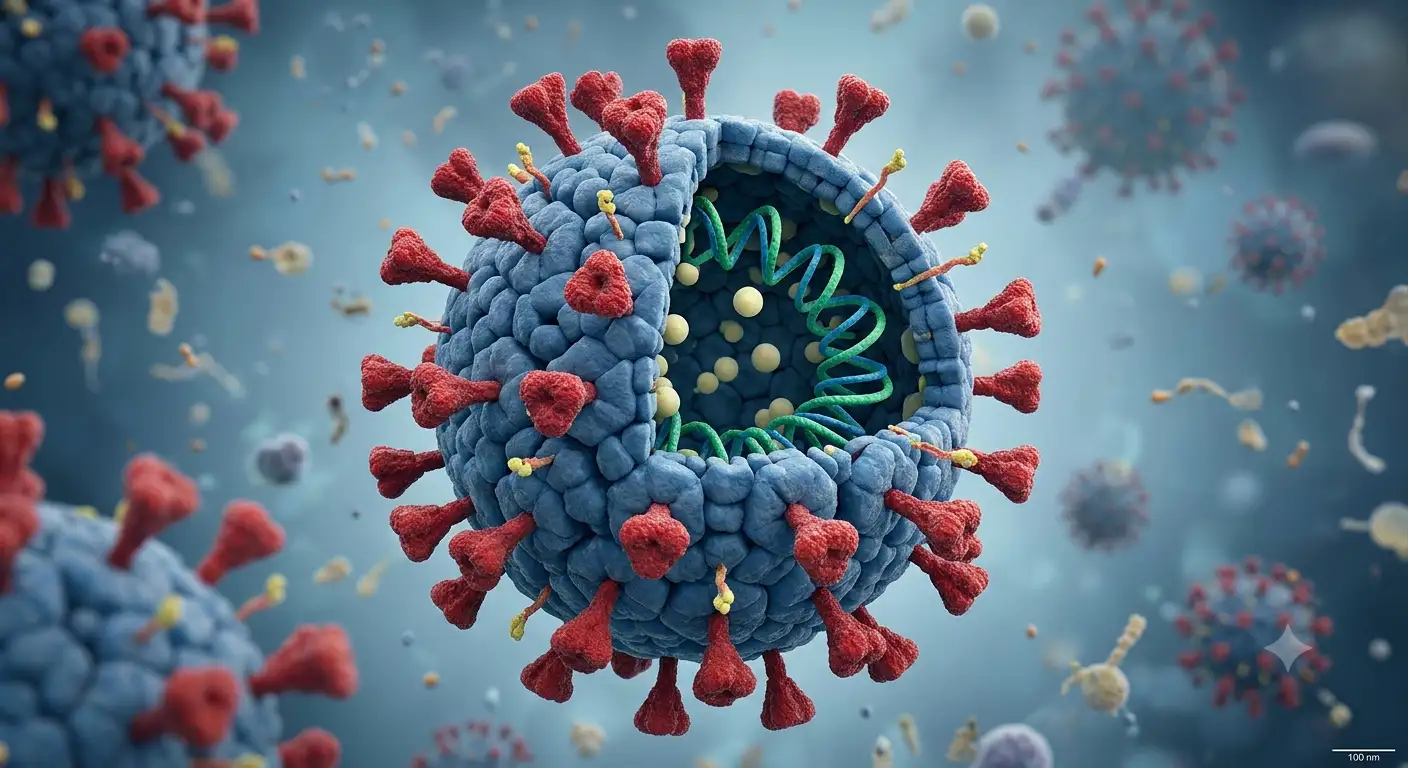
Powassan Virus Tick cases: A rare but potentially deadly illness powassan virus carried by ticks is drawing renewed attention in the United States as infections reach record levels, reports The New York Post. Known as the powassan virus tick disease, the infection can spread to humans within minutes of a tick bite and may lead to severe neurological complications.
ALSO READ: This US city will pay you $9,500 to move there for a year

Health experts are urging people to take precautions during the peak tick season, especially as the number of reported cases continues to rise across several states.
“One of the most dangerous aspects is its rapid transmission,” Dr. Jorge P. Parada, a medical advisor at the National Pest Management Association in Chicago, told Fox News Digital, told The Post.
“Powassan can be transmitted in as little as 15 minutes after the infected tick bites, while Lyme disease usually requires a 36- to 48-hour attachment time for transmission.”
ALSO READ: ‘Microsoft powered genocide for 994 days’: Employee quits in dramatic resignation email
What Is Powassan Virus?
The powassan virus tick infection is a rare viral disease spread primarily through the bite of infected deer ticks and woodchuck ticks, according to the CDC. It belongs to the same family of viruses that can affect the brain and nervous system.
The disease was first identified in 1958 after the death of a four-year-old boy named Lincoln Byers in Powassan, Ontario, Canada. At the time, doctors could not determine the cause of his illness. But years later, scientists discovered the same virus in a tick found on a dead squirrel, helping solve the medical mystery.
Today, the virus remains uncommon, but public health officials are closely monitoring its increasing spread. According to the Centers for Disease Control and Prevention (CDC) Powassan Virus Information, reported infections have risen significantly in recent years.
Symptoms of Powassan Virus Tick infection
Many infected individuals may not develop symptoms. However, when symptoms do appear, they typically emerge one to four weeks after infection.
Common early signs include:
- Fever
- Headache
- Vomiting
- Weakness
- Fatigue
As the disease progresses, the powassan virus tick infection can affect the brain and nervous system.
Severe Complications Can Be Life-Threatening
In serious cases, Powassan virus can cause:
- Encephalitis (brain inflammation)
- Meningitis (inflammation of the membranes around the brain and spinal cord)
- Confusion
- Loss of coordination
- Difficulty speaking
- Seizures
According to the CDC, approximately 10% of severe neurological cases are fatal. Even among survivors, long-term health problems such as memory issues, chronic headaches, muscle weakness, and cognitive difficulties can persist for months or years.
Powassan virus tick cases reach historic levels
The United States recorded 76 confirmed cases of Powassan virus in 2025, the highest annual total on record. For many years, the country averaged only seven to eight cases annually. The recent increase has raised concerns among epidemiologists and infectious disease specialists.
The powassan virus tick disease is most commonly reported between late spring and early fall, when ticks are highly active and people spend more time outdoors.
Why Powassan Virus is considered dangerous
One reason health experts are concerned about the powassan virus tick infection is the speed at which transmission can occur. Unlike Lyme disease, which often requires a tick to remain attached for 36 to 48 hours before transmission occurs, Powassan virus may be transmitted in as little as 15 minutes after an infected tick bites a person.
This short transmission window means people may not have enough time to notice and remove the tick before infection occurs.
Is there a treatment or vaccine?
Currently, there is no specific antiviral treatment or vaccine for the powassan virus tick disease. Doctors focus on supportive care, which may include:
- Intravenous fluids
- Respiratory support
- Hospital monitoring
- Treatment for neurological complications
Because treatment options are limited, prevention remains the best defense against infection.
How to protect yourself from Powassan Virus Tick bites
Experts recommend several simple steps to reduce the risk of a powassan virus tick infection:
- Use EPA-approved insect repellents.
- Wear long sleeves and long pants in wooded or grassy areas.
- Stay on marked trails when hiking.
- Perform full-body tick checks after spending time outdoors.
- Shower soon after returning indoors.
- Check pets and outdoor gear for ticks.
FAQs
What is a powassan virus tick?
A powassan virus tick refers to an infected tick carrying Powassan virus, a rare disease that can cause severe neurological illness in humans.
How quickly can Powassan virus spread after a tick bite?
Powassan virus may be transmitted within as little as 15 minutes of an infected tick attaching to the skin.
What are the symptoms of Powassan virus?
Symptoms can include fever, headache, vomiting, weakness, confusion, seizures, and inflammation of the brain or spinal cord membranes.
Is Powassan virus fatal?
Yes. About 10% of severe neurological cases can be fatal, while many survivors experience long-term neurological complications.
Is there a vaccine for Powassan virus?
No. There is currently no vaccine or specific antiviral treatment available for Powassan virus. Prevention and avoiding tick bites remain the most effective protection.