
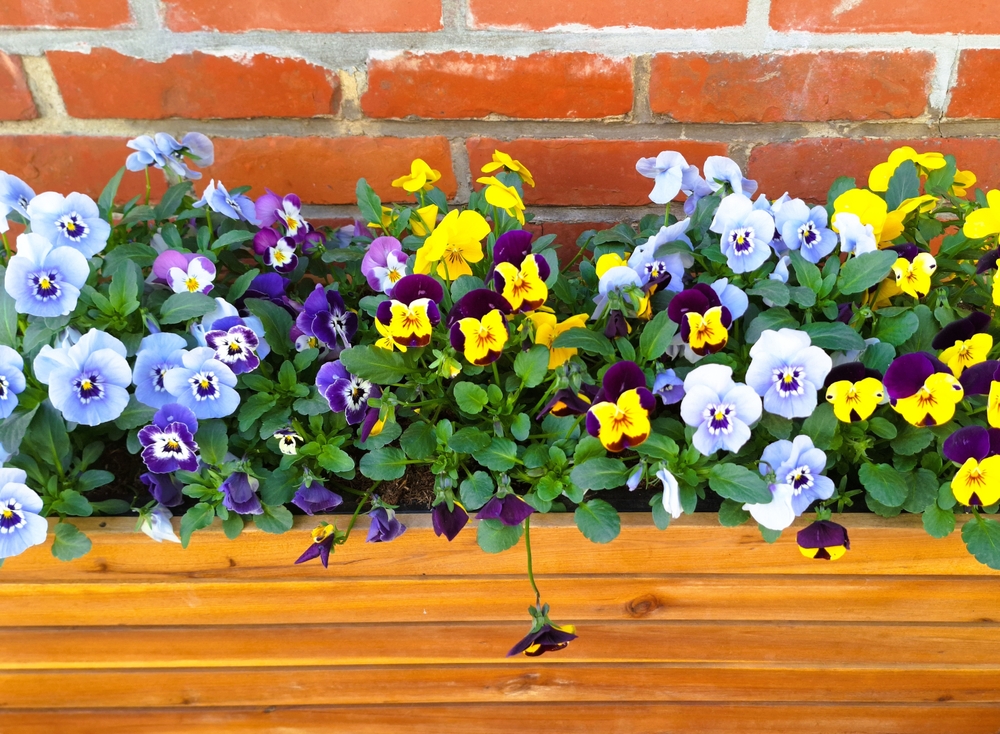
A flower garden can shift from stunning to scraggly fast when spent blooms pile up and steal energy from new growth. Deadheading steps in as a simple gardening habit that redirects a plant’s energy from seed production back into fresh flowers. Many gardeners overlook this technique and miss out on weeks of extra color in their beds and containers.
The process does not require fancy tools or expert training, yet it dramatically changes how plants perform through the season. A few minutes of attention each week can turn fading patches into continuous waves of blossoms that keep the garden lively and full of movement.

What Deadheading Really Does to a Flowering Plant
Deadheading removes faded or dying flowers before they form seeds, which pushes the plant to produce more blooms instead of finishing its life cycle. Plants naturally focus energy on reproduction, so once a bloom fades, the plant shifts into seed-making mode unless someone interrupts the process. Cutting or pinching off spent flowers signals the plant to restart its blooming cycle, often within days depending on the species. Gardeners notice that marigolds, zinnias, and petunias respond especially fast when old flowers disappear regularly. This simple habit keeps flower beds looking fresh while extending the flowering season well into late summer.
Plants react strongly to consistent deadheading because they rely on energy efficiency to survive changing conditions. When seed heads stay attached, plants send nutrients into those structures instead of new buds, which slows down flower production noticeably. Removing old blooms keeps energy flowing toward healthy stems, leaves, and fresh buds that form higher up the plant. Gardeners often notice fuller plants with denser flower clusters after just a couple of weeks of consistent attention. A garden that receives regular deadheading often produces more color with less fertilizer input, which makes this technique both practical and cost-effective.
The Right Way to Deadhead Different Types of Flowers
Different flowers require slightly different deadheading methods, and knowing the plant type makes the process far more effective. Some flowers, like roses, need cuts just above a leaf set to encourage strong new stems, while others like daisies respond better to simple pinching below the spent bloom. Annuals often benefit from frequent removal of faded flowers because they focus heavily on reproduction during their short life span. Perennials may need more selective deadheading to avoid stressing the plant or removing emerging buds nearby. Matching the technique to the plant type helps maintain healthy growth and continuous blooms across the garden.
Timing plays a major role in how well deadheading works because flowers respond quickly when gardeners act before seed formation begins. Wilting petals signal the right moment, especially when color fades or petals start dropping naturally. Gardeners who wait too long often see seed pods form, which reduces the plant’s motivation to produce more flowers. Some species, like geraniums and coreopsis, even reward daily checks with constant flowering cycles when deadheading stays consistent. A quick garden walk every few days often produces better results than a long, occasional cleanup session.
Tools and Timing That Make Deadheading Easier
Simple tools like small pruning shears, garden scissors, or even fingertips handle most deadheading tasks without complication. Clean cuts help plants recover faster, so sharp tools prevent unnecessary damage to stems and surrounding buds. Gardeners often carry a small bucket or pouch while walking through beds to collect spent blooms and keep the space tidy. Morning hours usually work best because plants stay hydrated and flexible, which reduces stress during trimming. A consistent routine keeps the task quick and prevents overgrowth from taking over flower beds.
Timing throughout the season matters just as much as the method because flowering cycles shift with temperature and sunlight. Early summer often brings rapid bloom production, which requires more frequent attention to prevent seed formation. Mid-summer heat can slow growth slightly, but deadheading still encourages steady color during hot stretches. Late summer benefits from continued care because many plants push out final waves of flowers before cooler weather arrives. Regular timing builds a rhythm that keeps the garden visually balanced without large cleanup sessions.
Common Deadheading Mistakes That Slow Flower Growth
One common mistake involves cutting too far down the stem, which removes healthy buds that would have produced future flowers. Another issue occurs when gardeners leave faded blooms too long, which signals the plant to stop flowering and focus on seed development. Some people also overlook the importance of cleaning tools, which can spread disease between plants and reduce overall garden health. Inconsistent deadheading creates uneven growth patterns, leaving some areas full of blooms while others lag behind. Avoiding these mistakes helps maintain a steady, colorful display throughout the growing season.
Over-deadheading also causes problems when gardeners remove too many leaves or young buds along with spent flowers. Plants rely on leaves to produce energy, so excessive trimming can weaken growth and reduce future blooms. Certain varieties, like hydrangeas and lavender, require minimal deadheading because they respond better to selective pruning. Misunderstanding plant needs often leads to reduced flowering instead of improved results. Careful observation helps prevent unnecessary cuts and keeps plants balanced and productive.
Simple Habits That Keep Flowers Producing All Season Long
A consistent deadheading routine builds the foundation for a garden that stays full of color from spring through late summer. Weekly checks help catch fading blooms early, which keeps plants focused on new growth instead of seed production. Gardeners who combine deadheading with light feeding and proper watering often see even stronger flowering cycles across their beds. Plant selection also plays a role because some species naturally produce more blooms when maintained regularly. A steady rhythm of care transforms ordinary flower beds into vibrant, ever-changing displays.
What deadheading trick has made the biggest difference in your garden, and which flowers respond best to it?
You May Also Like…
10 Flowers to Deadhead for Extra Fall Blooms
Transform Your Yard Into a Pollinator Paradise With These Budget-Friendly Wildflowers
How to Boost Pollinators Without Adding Flowers
Plant These Cheap Summer Bulbs Today for a Garden Full of Fall Blooms
8 Spring Sun Favorites That Deliver Strong Growth
The post Deadheading 101: Keep Your Flowers Blooming All Summer With This Simple Trick appeared first on Frugal Gardening.