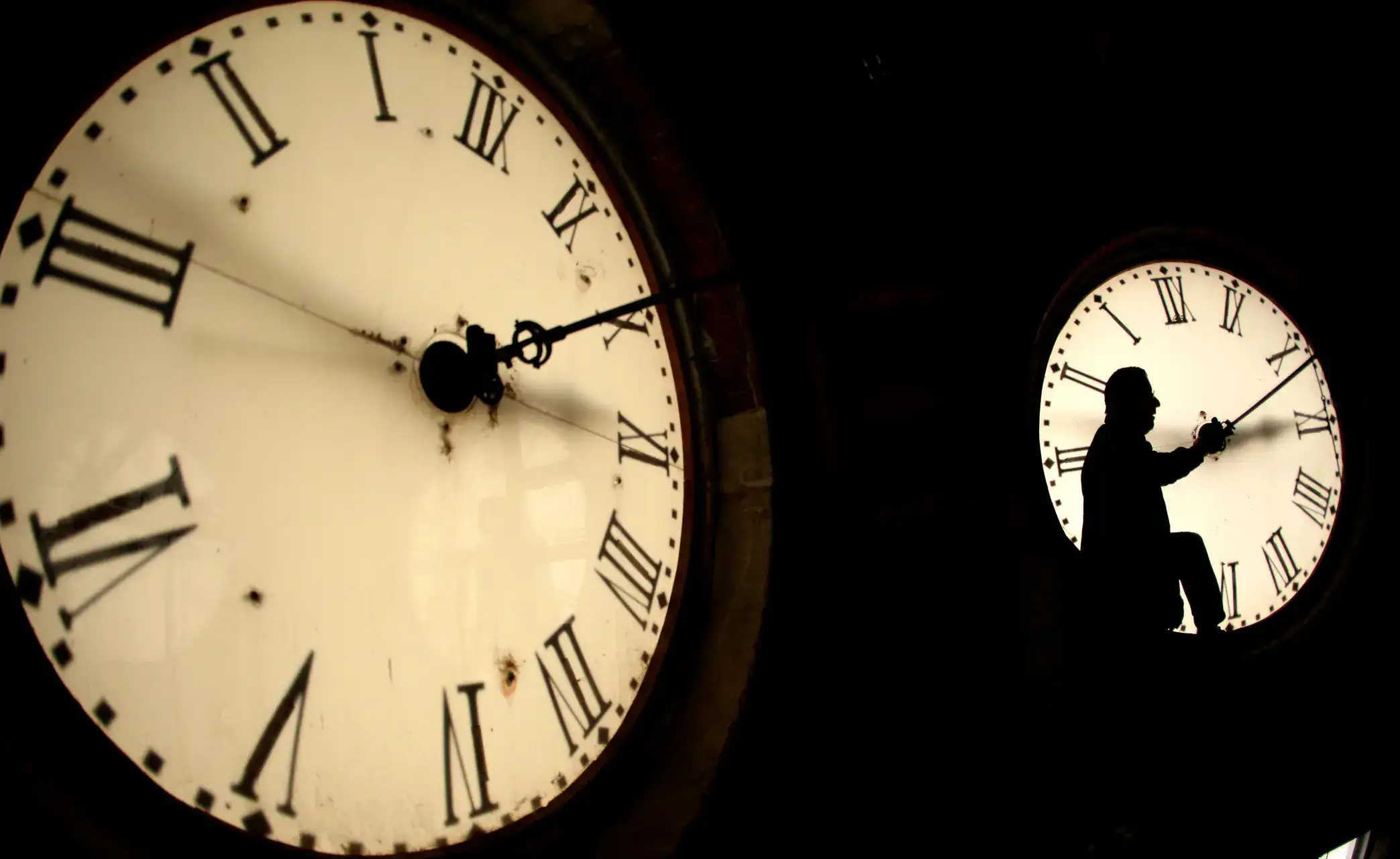
Daylight saving time bill: The debate over permanent Daylight Saving Time is back in the spotlight after the US House of Representatives passed the Sunshine Protection Act by a 308-117 vote. If the proposal eventually becomes law, most Americans would no longer have to change their clocks twice a year.

ALSO READ: Zohran Mamdani's new NYC Click-to-Cancel rule
But before you stop worrying about "spring forward" and "fall back," there's one important thing to know: nothing changes yet. The bill still needs approval from the Senate and President Donald Trump's signature before it becomes law.
Here's everything you need to know about permanent Daylight Saving Time in an easy-to-read FAQ.
What is permanent Daylight Saving Time?
Permanent Daylight Saving Time (DST) means clocks would stay on daylight saving time throughout the year. Instead of moving clocks:
- Forward one hour in March
- Back one hour in November
Americans would simply remain on DST all year long. That means no more clock changes every spring and fall.
Has permanent Daylight Saving Time become law?
No.
The US House has approved the Sunshine Protection Act, but the proposal is not yet law.
Before anything changes, the bill must:
- Pass the US Senate
- Be signed by President Donald Trump
Until then, Americans will continue changing their clocks twice each year.
Why is Congress trying to make Daylight Saving Time permanent?
Supporters argue that changing clocks twice every year causes unnecessary problems. They say permanent Daylight Saving Time could:
- Improve sleep over time
- Reduce traffic accidents linked to time changes
- Lower the risk of certain health issues associated with the seasonal clock shift
- Give people more daylight after work
- Encourage shopping, outdoor activities and sports during the evening
Many business groups also support the proposal because longer daylight hours after work may encourage consumer spending.
What would actually change?
If the bill becomes law:
- No more "spring forward"
- No more "fall back"
- Clocks would stay one hour ahead all year
- Winter evenings would remain brighter, but sunrise would happen later in the morning.
Would time zones change?
No. The proposal does not change US time zones. Eastern Time would remain Eastern Time.
Central would stay Central. Mountain and Pacific time zones would also remain exactly the same.
Only the twice-yearly clock changes would disappear.
Which states would be affected?
The proposal would apply to most Americans who currently observe Daylight Saving Time.
However, two major exceptions already exist:
- Hawaii
- Most of Arizona
These places already stay on standard time throughout the year and generally would not be affected.
Why are some people against permanent Daylight Saving Time?
Not everyone supports the idea. The biggest concern is very dark winter mornings. In some northern states, sunrise could occur close to 9 a.m. during winter.
Critics say this could mean:
- Children going to school before sunrise
- Darker morning commutes
- Increased traffic safety concerns
- More hazardous driving conditions
Some sleep experts also believe permanent standard time, rather than permanent DST, better matches the body's natural sleep cycle.
What does President Donald Trump say?
President Donald Trump has publicly supported ending the twice-yearly clock changes.
In a social media post in May, he said: "It's time that people can stop worrying about the 'Clock,' not to mention all of the work and money that is spent on this ridiculous, twice yearly production. It will also be a very nice WIN for the Republican Party. Take it!"
The White House has also indicated Trump would sign the legislation if it reaches his desk.
What happens next?
Although the House has approved the bill, several steps remain. The Senate must now vote on the Sunshine Protection Act.
If senators approve it, the legislation will then go to President Trump for his signature.
Only after both steps are completed would permanent Daylight Saving Time officially become law.
Until then, Americans should expect to continue changing their clocks every March and November.
How many countries still use Daylight Saving Time?
Only about one-third of countries worldwide observe some form of Daylight Saving Time. Most are located in Europe.
Several European countries—including Armenia, Azerbaijan, Belarus, Georgia, Iceland, Russia and Turkey—do not observe DST.
In Africa, Egypt is currently the only country that uses Daylight Saving Time.