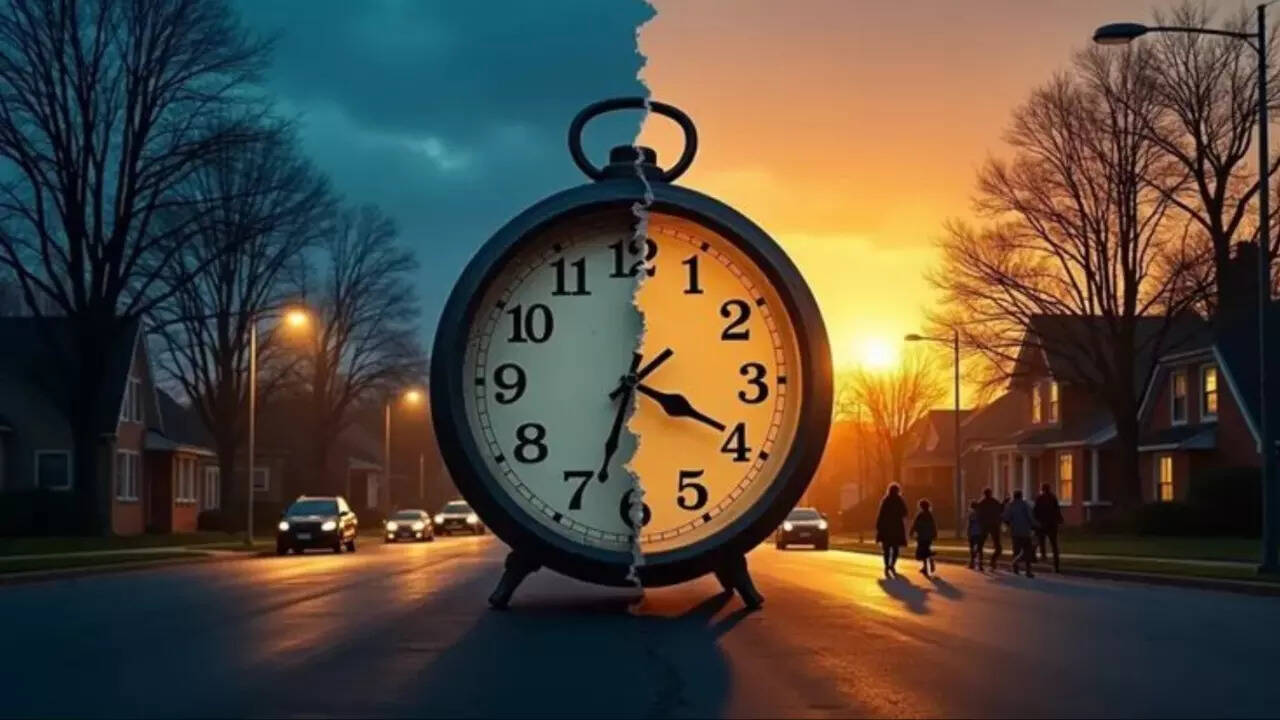
As spring approaches across North America, millions of people are preparing for a familiar ritual: setting their clocks forward by one hour. Daylight Saving Time (DST) 2026 is about to begin, bringing longer evenings, darker mornings and renewed debate over whether the decades-old practice still makes sense in today’s world.
While many welcome the extra daylight after work, scientists and policymakers continue to question the health, economic and social impacts of changing the clocks twice a year.