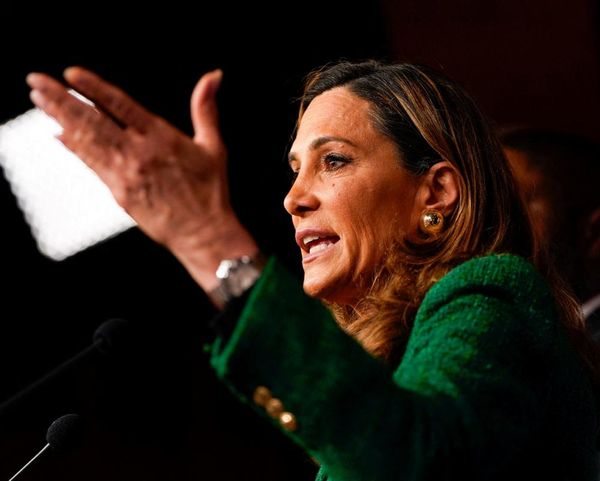
Justice Secretary David Lammy is defending contentious proposals to restrict access to jury trials, as the Courts and Tribunals Bill faces a significant backbench rebellion in the Commons.
The government aims to reduce the criminal justice system's backlog by allowing judge-only trials for certain offences and empowering magistrates to impose longer sentences, up to 18 months – an increase from the current 12 months.
Mr Lammy argues these changes are vital to ensure the system's continued operation, expressing hope that the backlog will decrease by the next general election.
He stated in the Telegraph that the justice system has "fallen behind the world it now serves".
However, Labour MPs, led by Kingston-upon-Hull East MP Karl Turner, are poised for a rebellion on Tuesday evening.
Mr Turner, a former barrister, condemned the removal of jury trial rights, asserting it is "not something the Labour Party believes in" and is seeking sufficient support to defeat the measures.
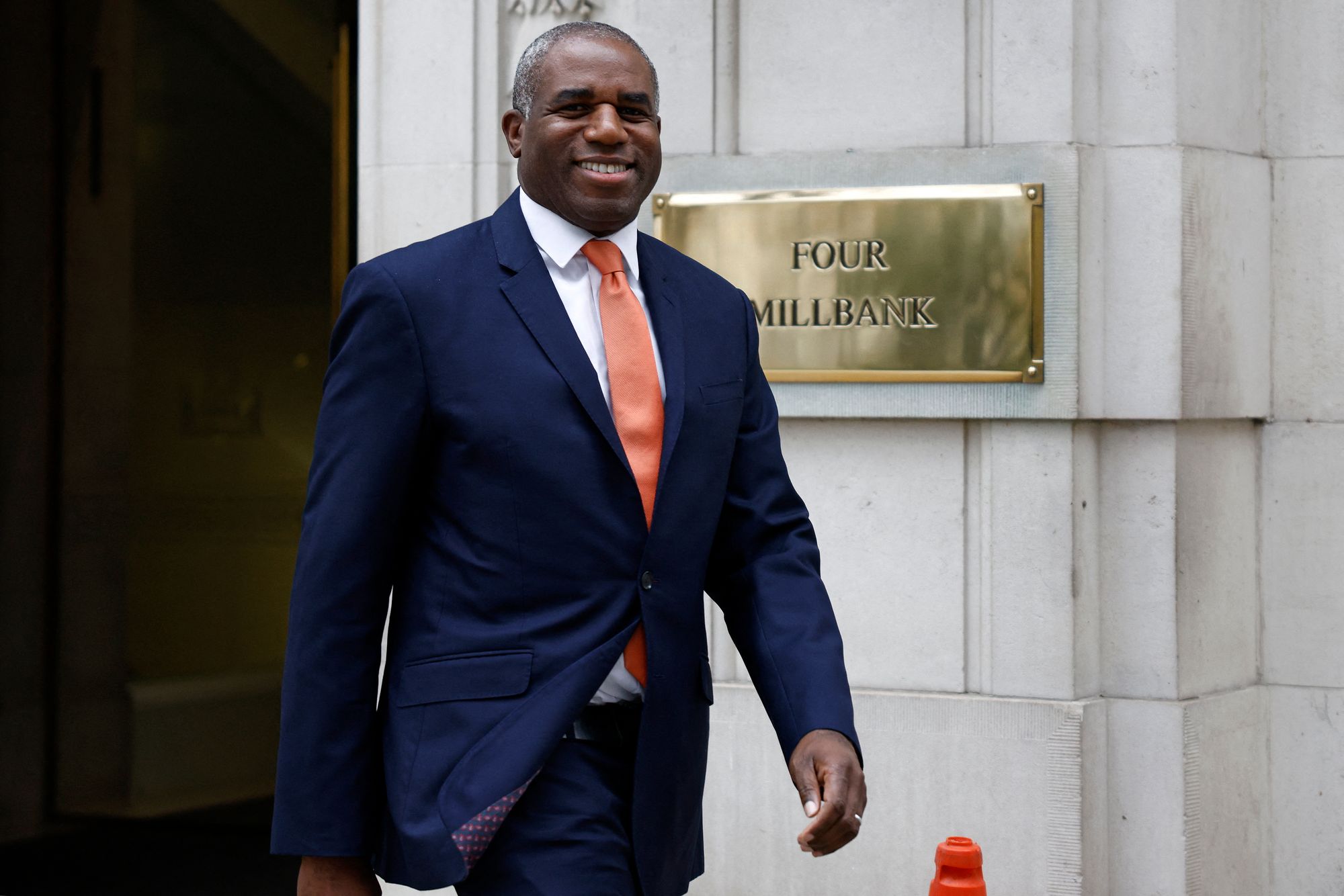
The Deputy Prime Minister continued: “Across Britain today, too many victims endure the same ordeal. For them, justice delayed becomes justice denied. When that happens, offenders are left free to roam our streets, and more victims are created.”
Courts minister Sarah Sackman said the “vast majority” of Labour MPs back the Government’s plans.
She told Times Radio: “Opponents of these plans are vocal indeed, but they have presented no alternative.
“If not this plan, then what? And if we don’t act now, then when?”
Asked whether rebels would be stripped of the Labour whip, she said: “We are a broad church and I welcome debate. Nothing difficult or worth doing was ever easy and I don’t shy away from that debate, and indeed, some of those voices will be helping us to scrutinise and improve the Bill as it goes through Parliament.
“But I’m confident that the fundamentals of the plan are right and that they will garner the support of the vast majority of Labour MPs.”
Ministry of Justice projections published earlier this month suggested the crown court backlog could reach as high as 125,000 by the end of this parliament.
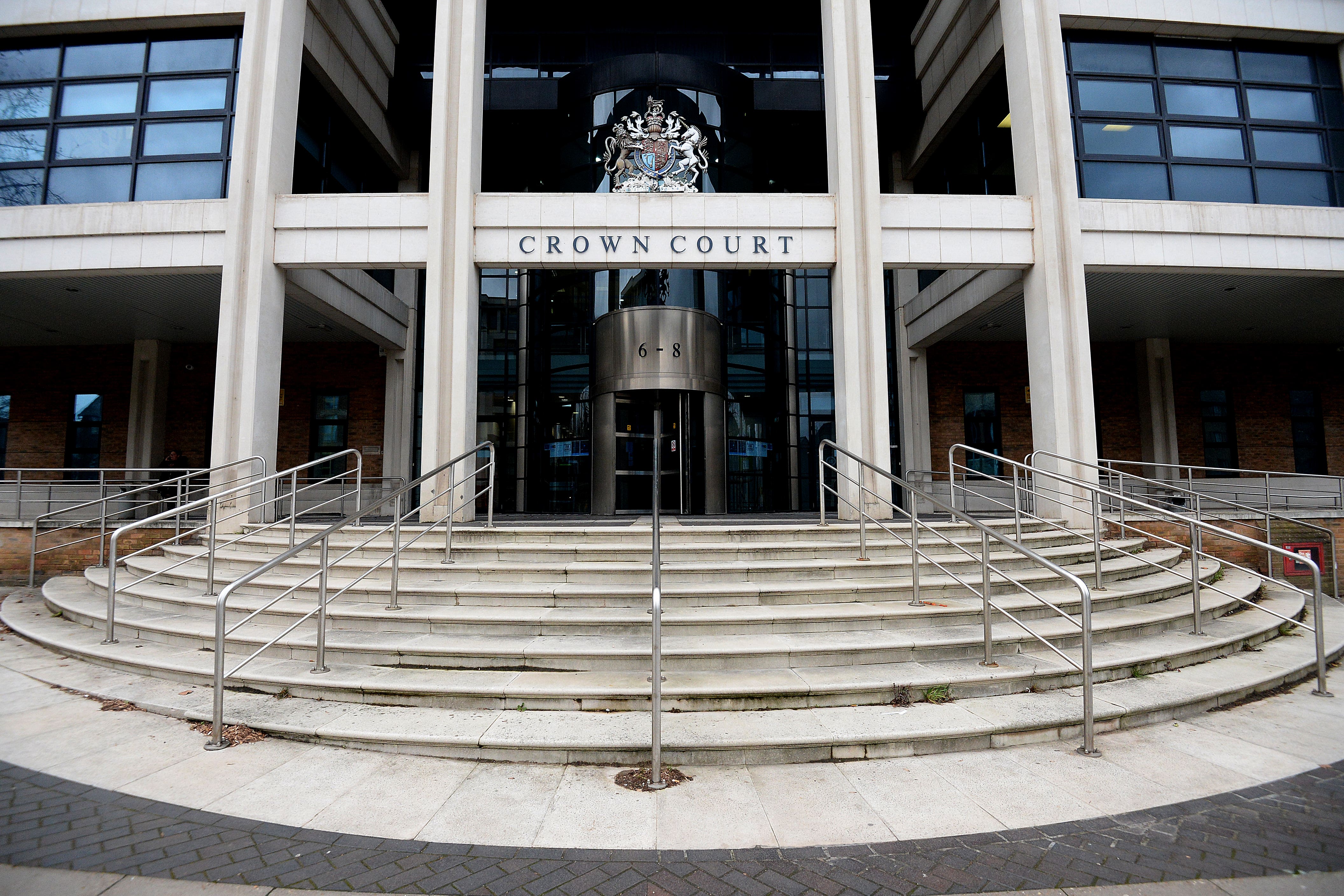
Some trials are currently being listed as far ahead as 2030.
The proposed changes follow recommendations from a review by retired Court of Appeal judge Sir Brian Leveson published last year.
But a letter organised by the Bar Council and signed by hundreds of judges, barristers and lawyers said the plans are “based on little evidence”.
In their letter to Prime Minister Sir Keir Starmer, thousands of legal professionals, including former director of public prosecutions Sir David Calvert-Smith, said: “Juries have not caused this crisis.
“In Part 2 of the Independent Review of the Criminal Courts (Leveson Review), Sir Brian Leveson states that ‘the most significant cause is chronic underfunding at every step’.
“Our opposition to curtailing jury trials is principled and pragmatic. Practically, the proposals are based on little evidence.
“Research by the Institute for Government details that the proposal for judge-only trials would save less than 2 per cent of court time, if they are 20 per cent faster, which is itself ‘highly uncertain’ (Leveson Review Part 1).
“We do not support the erosion of a deeply entrenched constitutional principle for negligible gain and with substantial risks.”
Mr Lammy, a former barrister, has also backed digital modernisation across the courts system, including the use of artificial intelligence (AI) to keep notes and summarise judgments.
He gave a speech at the Microsoft AI Tour in London last month when he said new technology like AI will help the court system “smash through delays, cut complexity and free up people to do what they do best”.
Watchdog urged to clamp down on heating oil prices after 1.7m hit by soaring bills
Soham killer Ian Huntley could be given taxpayer-funded funeral
Minister calls for police action ahead of Al Quds Day march in London
Snow for some as winter weather returns to UK this week
Irish woman wins racial harassment claim over boss repeatedly shouting ‘potato’
Daily multivitamin could slow ageing and body’s biological clock, study suggests