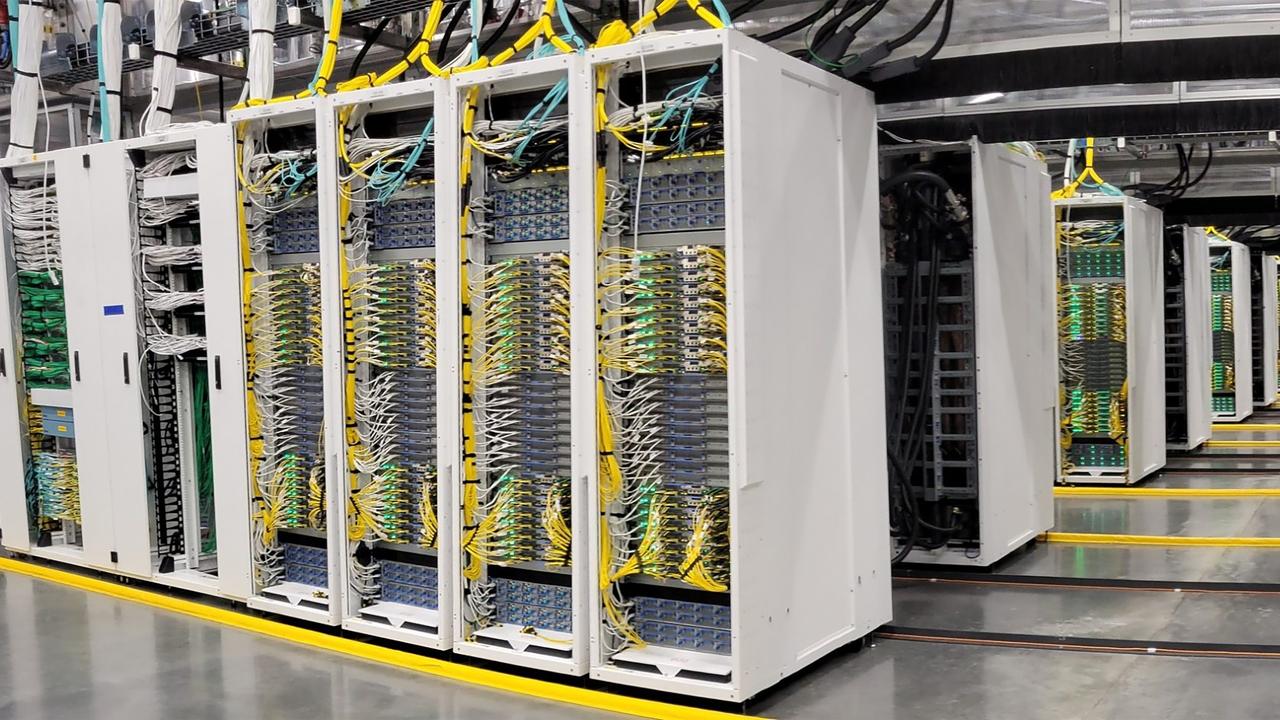
The Iran war appears to be having little impact on Australia's data centre boom, but households are starting to feel the pinch.
Private capital expenditure jumped 6.5 per cent in the first three months of 2026, smashing consensus expectations of a 1.2 per cent rise, the Australian Bureau of Statistics reported on Thursday.
That was driven by a near tripling in spending on information media and telecommunications equipment to a record $6 billion in the quarter.
It followed a similar spike in the three months to September 2025, ABS head of business statistics Tom Lay said.
"The lift in investment was the result of investment in data centre equipment, specifically server racks and processing equipment, significantly boosting overall investment figures," Mr Lay said.
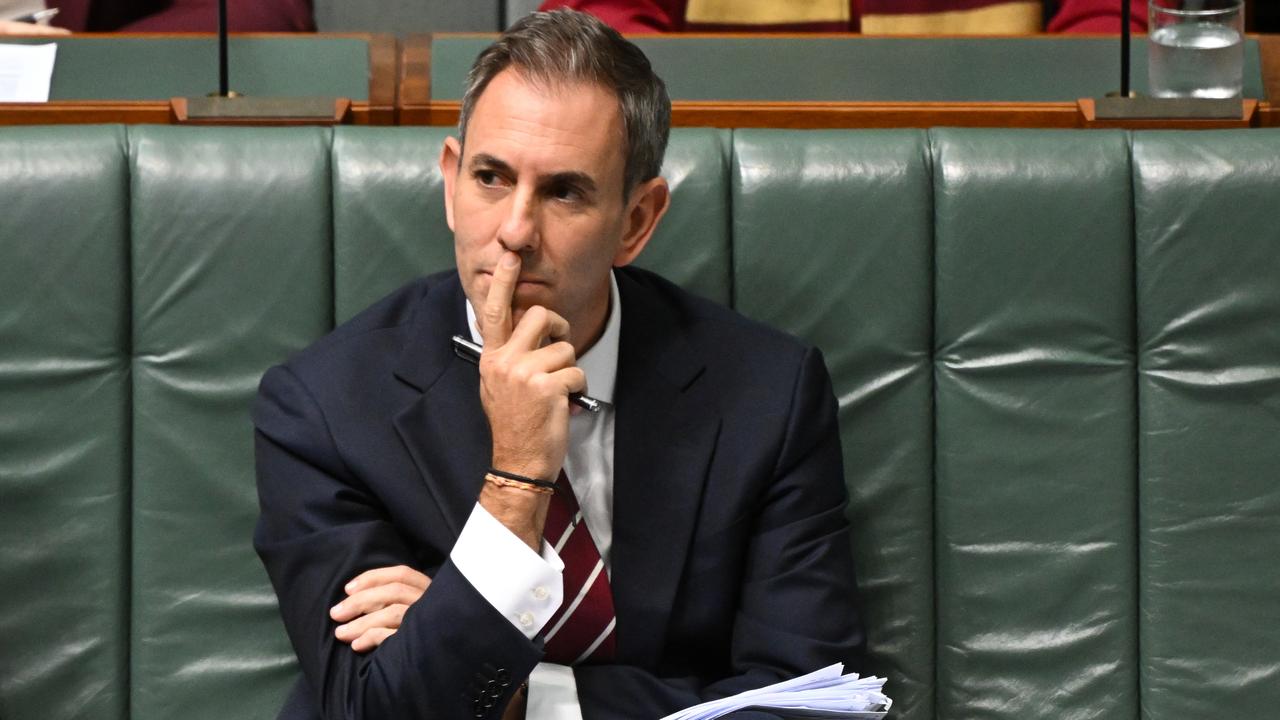
Billions more were being poured into productive investment, which was good news for Australia's economy, Treasurer Jim Chalmers said.
"These kinds of infrastructure projects are a priority for our government, and clearly, they're a priority for the private sector as well," he said in a statement.
Overall, the figures showed private business investment was holding up in Australia, which is good news for growth prospects, AMP deputy chief economist Diana Mousina said.
"But some broadening out across the sectors would be helpful, particularly as manufacturing has continued to shrink and as mining is flat-lining," she said.
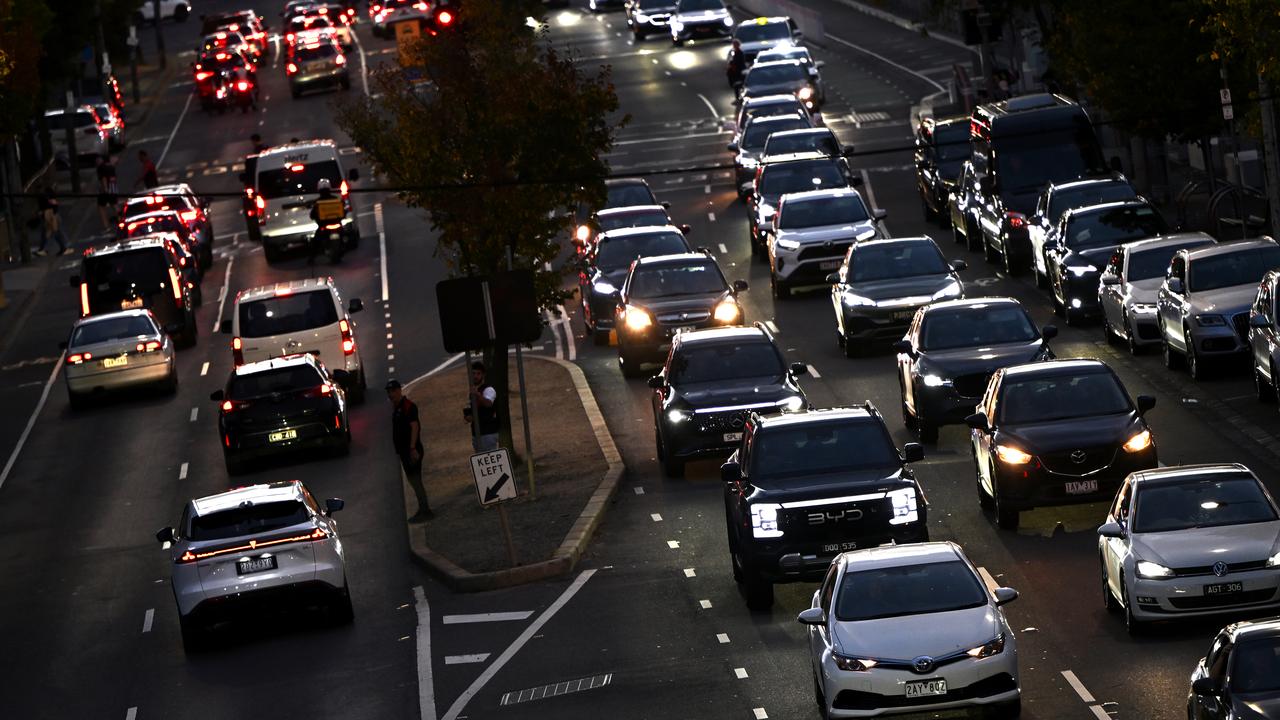
Beyond data centres, Australia's investment outlook looked subdued amid higher interest rates and offshore uncertainty, Commonwealth Bank head of Australian economics Belinda Allen said.
While the data centre boom continued to prop up business investment, households were beginning to wobble as a result of the Middle East conflict.
Household spending fell 1.1 per cent in April after a 1.6 per cent rise the month before, according to ABS data.
It was the steepest monthly decline since October 2023, but was largely driven by cheaper travel costs as a result of the government's fuel excise cut and free public transport in Victoria and Tasmania.
Experimental data produced by the bureau suggested that the volume of fuel spending actually increased by two per cent in April.
Even excluding travel spending, the figures showed weakness creeping into the economy.

Discretionary spending fell 0.8 per cent, driven by reduced spending on clothes, services and air travel - although part of that was due to refunds from cancelled flights.
The weakness in spending is consistent with other soft economic indicators lately, including fragile consumer confidence, low auction clearance rates and slightly better than expected inflation data for April, ANZ head of Australian economics Adam Boyton said.
"The latter suggests that firms might be struggling to pass price and cost increases through to consumers," he said.