Get all your news in one place.
100’s of premium titles.
One app.
Start reading
The Guardian - AU
The Guardian - AU
National
Jordyn Beazley

Damning audit finds NSW prison programs have ‘little to no impact’ on reoffending rates for Indigenous people

Claude Robinson
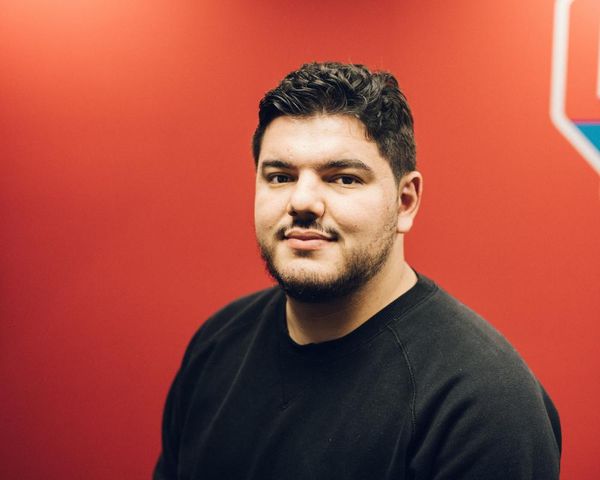
Claude Robinson at Rainbow Lodge which helps men recently released from prison with psychological support and mentoring. Advocates want the NSW government to fund more programs like this. Photograph: Blake Sharp-Wiggins/The Guardian

Stephen was in his mid-20s when he finished a five-year stint in prison for aggravated robbery. His time in custody didn’t help.

“When I got out, I just went back to doing what I know because there was no programs or anything to help us,” says the now 34-year-old, who asked for only his first name to be published. “So I just went back to using and doing crime.
“I ended up getting into a big car accident with a stolen car where I hit a copper, and that’s when I ended up doing [another] five years.”

It’s a common cycle.

A damning report into New South Wales’ prison system has found programs aimed at reducing reoffending – both in adult and youth prisons – are not effectively supporting Aboriginal people.

Sign up for the Breaking News Australia email

The report, released last week by the state’s auditor general, found inmates are not effectively linked with services known to reduce reoffending upon their release.

The auditor general, Bola Oyetunji, said the absence of any effective and culturally appropriate support is contributing to a “costly cycle of re-incarceration”.

“The activities undertaken by Corrective Services and youth justice have had little to no impact on the rates of reoffending among First Nations peoples, nor alleviated pressure on an already overburdened justice system,” he wrote in the report.

Amid this cycle, the number of Aboriginal adults in the state’s prisons reached record levels in December, exceeding the previous high that was set six months earlier. Last year also marked a record number of Indigenous deaths in custody, after 12 people died.

In the decade to 2021, the number of young people in custody was steadily declining. But data shows trend has now reversed. The number of youths in prison overall increased by 34% in the two years from June 2023.

Meanwhile, more than 60% of First Nations adults released from prison in 2023 reoffended within 12 months, according to the latest data.

Scrambling for funding

The audit report said Corrective Services policy required staff to provide pre-release planning and support to reintegrate prisoners into the community.

But it found that “in practice”, caseworkers mainly encouraged inmates to make their own arrangements for services.

For those released from prison after being held on remand without being convicted of any crime, Corrective Services provides no structured assistance.

This is despite the number of people held on remand exploding. In the six years to 2025, the number of First Nations people on remand increased by 80%, the report says.

Kevin, 19, was among them. He was last year discharged from remand without any support, according to the report, which anonymised his story.

It says Kevin was unemployed and faced significant drug and alcohol abuse challenges before his arrest. He was also experiencing unstable housing and bouts of homelessness.

“There was no discussion about addressing the issues that led to him entering custody,” the report says.

“Instead, he was released from the correctional centre and provided with an Opal card to catch a bus and a train back to his community, over three hours away. Kevin did not have pre-arranged accommodation or supports in place.”

‘I learned a lot of stuff’

Last year, Stephen was given a rare opportunity for support when he got out of prison for the second time. His parole officer contacted Rainbow Lodge, which had a bed available.

Located in Glebe, Rainbow Lodge is mainly run with philanthropic funding and helps men recently released from prison with psychological support and mentoring. It’s the largest program of its kind in the state – yet it has just eight beds.

The men can stay at the lodge for three months. They remain linked with their services for another two years after being helped to find a home and a job.

“I learned a lot of stuff to help,” says Stephen, who is now in his own home. “I’m working, I’ve been travelling, I’m playing cricket.”

Stephen says a program run at the lodge known as Healing the Warrior – which is designed and run by Aboriginal men former inmates – was one of the main reasons he has reached that point.

Rainbow Lodge independently runs the same program in the John Moroney Correctional Centre.

Claude Robinson, who manages Rainbow Lodge, says the audit report validates much of what they have been telling the government is wrong with the system for years.

We know what actually works, and we know it’s actually cheaper to do that work, yet it’s so difficult to get funding,” he says.

Rainbow Lodge initially sought co-funding from the state Aboriginal affairs department to run their program inside prison but was knocked back as being unfit for the available grants.

No programs have First Nations input

The auditor general’s report found that none of correction’s offence-focused programs in adult prisons were co-designed with First Nations people.

Conversely, the three programs offered to youths in detention were co-designed. But “the agencies have not established systems to monitor or evaluate the effectiveness of these programs and cannot demonstrate tangible improvements for First Nations peoples”.

“Despite this, both agencies continue to allocate resources and enrol First Nations participants into these programs, creating a risk of ineffective and inefficient resource use,” the report states.

The report found the corrections department had not redesigned its systems to better support First Nations people – like Kevin – remanded in custody, despite being aware of the issue of a ballooning remand population for a decade.

The Bureau of Crime Statistics and Research found that domestic violence-related offences were the main driver behind the increase in the remand population, and expects it to rise in line with increasing bail refusals for DV.

The report states that Corrective Services has four “generic” programs for remand inmates. The report does not state if any of these are directed towards DV.

The report said that there is an “inherent tension” inside prisons to maintain security and safety and provide rehabilitation. It said this issue is compounded by workforce shortages.

“Psychologists report persistent vacancies, shortages, high turnover and burnout, particularly in regional and remote centres, which necessitate prioritising immediate safety concerns and reduce capacity for structured therapeutic interventions,” the report said.

In youth prisons, case workers and psychologists do not routinely visit in some facilities prior to a young person’s release.

The auditor made a number of recommendations, including co-designing therapeutic support for First Nations people in custody and providing more support after they’re released.

Sue Higginson, the Greens’ justice spokesperson, is urging the government to accept all of the report’s recommendations.

She said the report showed the government’s “commitment to Closing the Gap is at best tokenistic but in reality nonexistent”.

A spokesperson for the NSW corrections minister, Anoulack Chanthivong, welcomed the report and said ongoing reform was a priority for the department.

“There is work under way to provide culturally appropriate services for First Nations people in custody and post-release,” they said.

“Corrective Services NSW remains committed to evidence-based, collaborative progress in 2026 and welcomes ongoing dialogue with the audit office, as well as strategic partnerships with Aboriginal-controlled organisations and Aboriginal people and communities.”

Stephen, who has been in his own home for almost a year now, still goes to Rainbow Lodge once a week to keep on track.

“I’m still learning,” he says. “They really help me there. It’s like family.”

Sign up to read this article
Read news from 100’s of titles, curated specifically for you.
Already a member? Sign in here
Related Stories
Top stories on inkl right now
One subscription that gives you access to news from hundreds of sites
Already a member? Sign in here
Our Picks
Fourteen days free
Download the app
One app. One membership.
100+ trusted global sources.