Get all your news in one place.
100's of premium titles.
One app.
Start reading
The Conversation
The Conversation
Kathryn Rhine, Associate Professor of General Internal Medicine, University of Colorado Anschutz Medical Campus

Cutting HIV aid means undercutting US foreign and economic interests − Nigeria shows the human costs

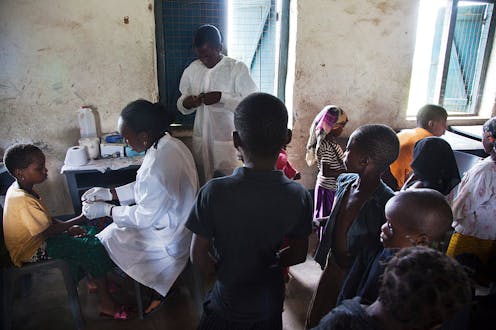
A large number of children are born with HIV in Nigeria. Kristian Buus/Corbis News via Getty Images

A little over two decades ago, addressing Nigeria’s HIV crisis topped U.S. President George W. Bush’s priorities. Africa’s most populous nation had 3.5 million HIV cases, and the disease threatened to destabilize the region and ultimately compromise U.S. interests. These interests included securing access to Nigeria’s substantial oil reserves, maintaining regional military stability and protecting trade partnerships worth billions.

Following years of agitation from AIDS activists, Bush launched the President’s Emergency Plan for AIDS Relief, or PEPFAR, in 2003. This U.S.-led HIV treatment program has since saved tens of millions of lives around the globe.
Sign up to read this article
Read news from 100's of titles, curated specifically for you.
Already a member? Sign in here
Related Stories
Top stories on inkl right now
One subscription that gives you access to news from hundreds of sites
Already a member? Sign in here
Our Picks
Fourteen days free
Download the app
One app. One membership.
100+ trusted global sources.