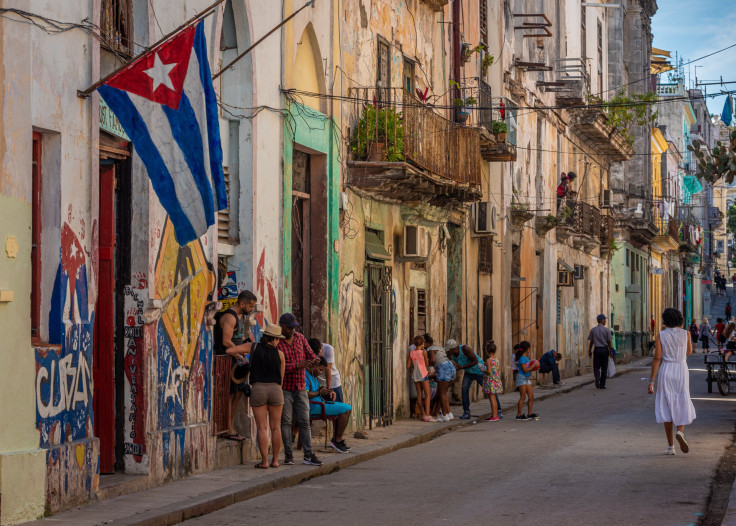
Cuba's economy is being described as in "free fall" and at its worst time in the almost 70 years since the communist revolution, according to a new report.
"I, who was born there, I, who lives there, and I'll tell you: It's never been as bad as it is now, because many factors have come together," economist Omar Everleny Perez told The New York Times.

Moreover, the situation could deteriorate further following the capture of Venezuela's authoritarian President Nicolas Maduro and his wife, Cilia Flores on Saturday.
President Donald Trump and officials have said the Havana regime will fall as a result. Secretary of State Marco Rubio said that while he wouldn't anticipate decisions, "I don't think it's any mystery that we are not big fans of the Cuban regime, who, by the way, are the ones that were propping up Maduro."
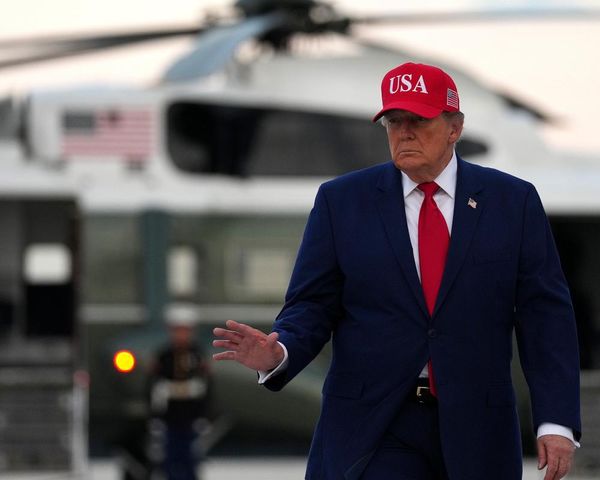
Trump, on his end, said: "If I lived in Havana and I was in the government, I'd be concerned." "I think Cuba is going to be something we'll end up talking about, because Cuba is a failing nation right now, a very badly failing nation, and we want to help the people," he added.
According to a recent poll, over three in four Cubans intend to flee the country. The survey was conducted by the Social Rights Observatory during the summer and reported by the Wall Street Journal as part of a broader piece about the country's crumbling economy.
The same poll showed that seven in ten respondents go at least without a meal a day and nearly 90% live in extreme poverty. Moreover, for over 70% of Cubans their main concerns are the lack of food and constant blackouts.
Some 2.7 million people have already left Cuba since 2020, a quarter of the population. Hundreds of thousands have gone to the U.S., Havana-based demographer Juan Carlos Albizu-Campos told the outlet.
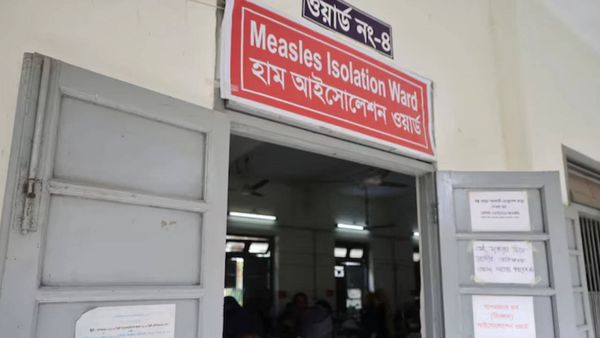
In another passage of the piece, the WSJ said that Cubans are "going hungry, suffering from spreading disease and sleeping outdoors with no electricity to power fans through the sweltering nights. Some told the outlet that garbage is piling up, communicable diseases are spreading and many children aren't going to school. Moreover, water is not always available, meaning many can't bathe, wash dishes or flush their toilets.
© 2025 Latin Times. All rights reserved. Do not reproduce without permission.