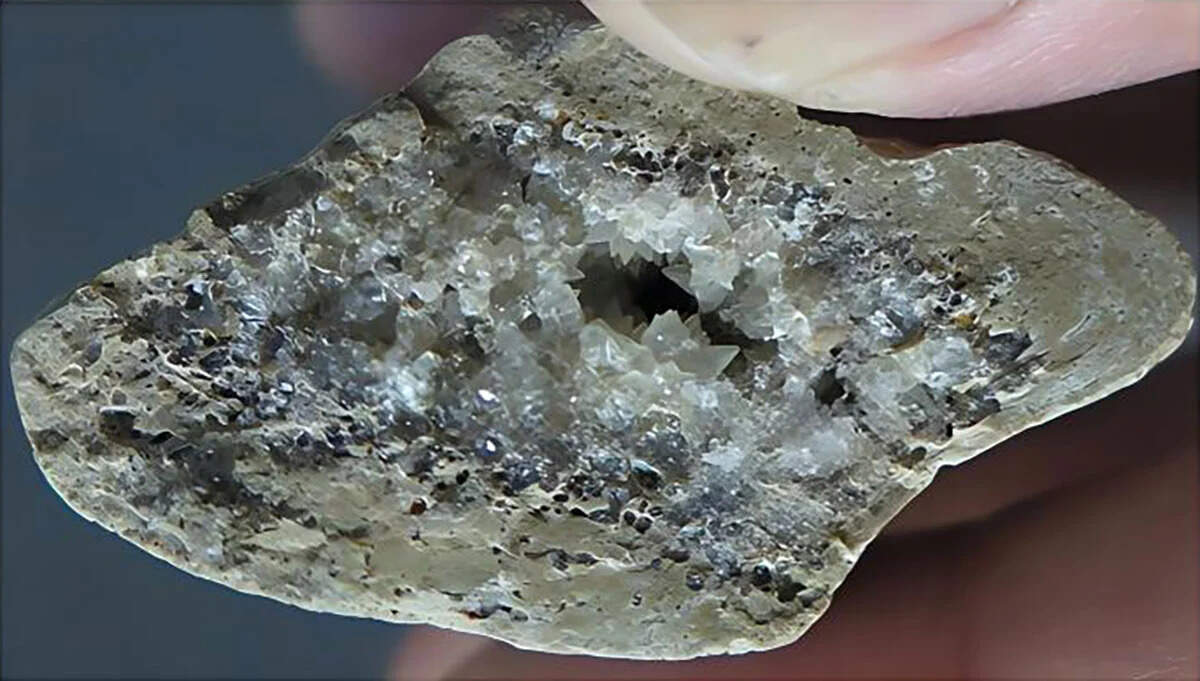
The assumption has been comfortable and long-standing: creativity is a product of abundance. When ancient humans had enough food, enough warmth, enough security, they had the mental space to innovate. Lean times produced lean thinking. It was a tidy, persuasive story, one that shaped how archaeologists interpreted almost every major prehistoric discovery for decades. Now, a cave in central China has complicated it considerably. A new analysis of crystals found inside an animal bone at the Lingjing archaeological site has pushed the site's age back by 20,000 years, dropping it squarely into one of Earth's harshest ice ages.
Inside the Lingjing archaeological site in Central China