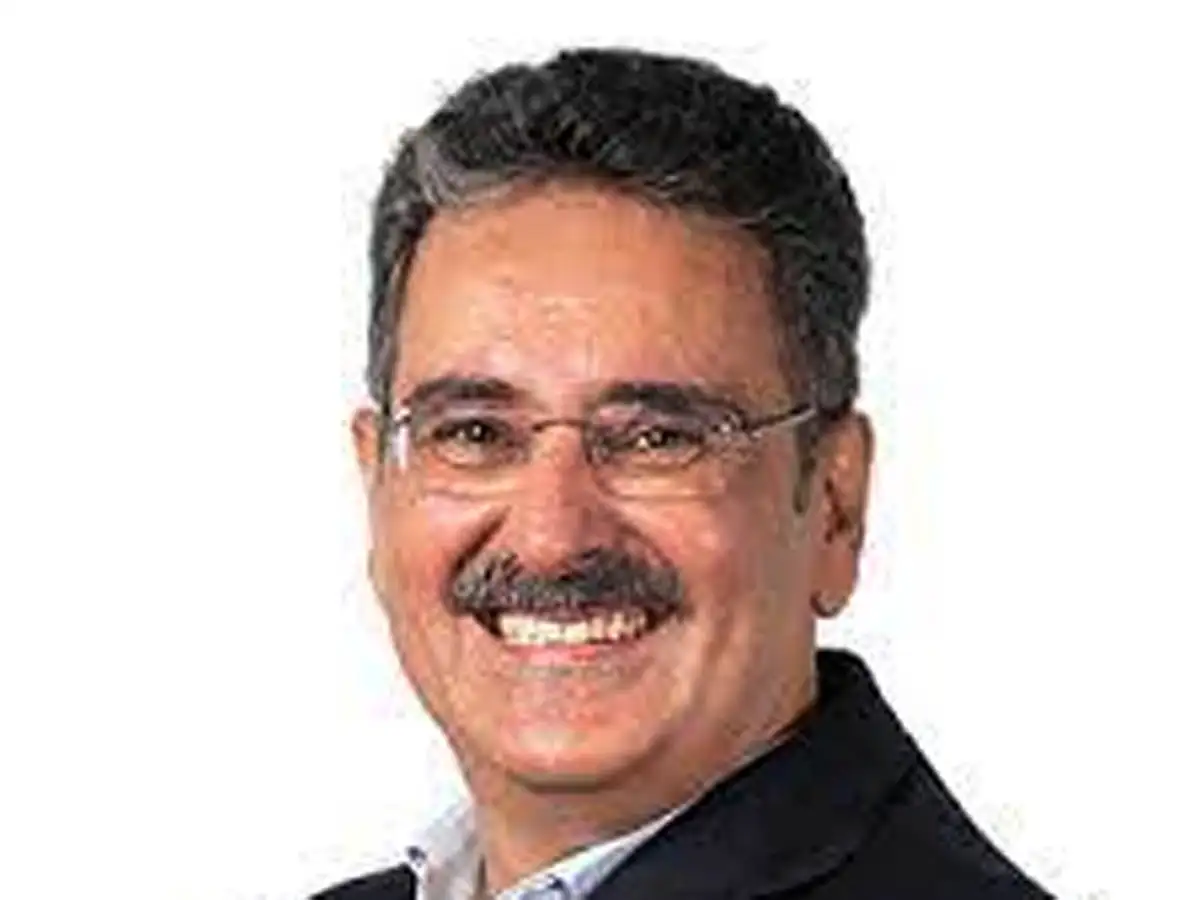
The worst of India's macro headwinds may already be in the rearview mirror. That's the view of Dinshaw Irani, CEO of Helios Mutual Fund, who sees a confluence of factors, falling crude, stabilising rupee, and a consumption-led growth story, setting the stage for a meaningful market recovery.

Oil has further to fall and India wins big
Irani's most striking call is on crude. With the West Asian crisis easing and Iran now permitted to resume oil exports immediately under the emerging deal framework, he sees a structural surplus building fast. The US is adding 5 million barrels per day to global supply, Iran another 3 million, creating an 8 million barrel daily surplus against what was previously a 14 million barrel deficit through the Strait of Hormuz.
"Our feel is that probably by the end of this year we will come back to around $65," Irani told ET Now, the same average price India paid per barrel last year. For a country importing roughly 5 million barrels daily, that's a significant windfall, easing both the current account deficit and pressure on the rupee.
On the currency front, Irani points to proactive policy moves by the RBI and the Government of India, including FCNR(B) deposit incentives, removal of withholding tax on G-Sec interest, and capital gains exemptions on government bonds, as catalysts that could draw in $70–90 billion in additional foreign flows. "All this has made the rupee fairly stable, which is what international investors are looking at," he said.
Skip FMCG, buy discretionary
On equities, Irani is unambiguous about where he sees value, and where he doesn't. FMCG is firmly off his buy list. Valuations are too stretched for what is essentially a high-single to low-double digit growth story in a saturated category. "Just because per capita incomes go up doesn't mean we'll take extra baths a day," he said bluntly.
Discretionary consumption is a different story. Irani is particularly bullish on new-age, digital-first companies serving India's Gen Z and Gen Alpha consumers, a cohort he estimates already makes up over two-thirds of India's workforce. Unlike their savings-focused predecessors, these consumers spend freely, leverage confidently, and drive what Irani calls "velocity of money" through the economy.
He also extends his consumption thesis into retail, both urban formats like Phoenix Mills and rural plays, as well as consumer-facing NBFCs, wealth management firms, capital market intermediaries, hospitality, and quality healthcare. With fewer than 70,000 quality hospital rooms in the country, he sees structural undersupply in both hospitals and luxury hotels as a long-term opportunity.
On food tech: Eternal wins, rest is noise
Asked about food delivery and new-age platform companies, Irani is measured. In winner-takes-all markets, as seen with DoorDash in the US, and Grab across Asia, he's confident Eternal (formerly Zomato) holds the commanding position. Beyond that, the race for second and third place is too contested to warrant conviction, so Helios is staying away.
IT valuations are a trap, financials need watching
Irani is wary of the recent run-up in Indian IT stocks, drawing a pointed comparison to Cognizant, a comparable business trading at 6–8x PE in the US, and questioning why Indian IT should command mid-teens multiples. "The US markets are being more prudent than us," he observed.
On private sector banks, Helios is holding but not adding aggressively. The FCNR(B) relief has eased liability-side pressure, but PSU banks remain formidable competitors on the asset side, and over-leveraged enough to pose risk if interest rates climb again.
For now, Irani's compass points clearly: lower oil, stronger rupee, and India's young, free-spending population are the three forces he's betting on.