
Get all your news in one place.
100's of premium titles.
One app.
Start reading
Homes & Gardens
Homes & Gardens
Tenielle Jordison

Create the Ultimate Hummingbird Sanctuary in a Single Planter on Your Patio – In Just 3 Simple Steps

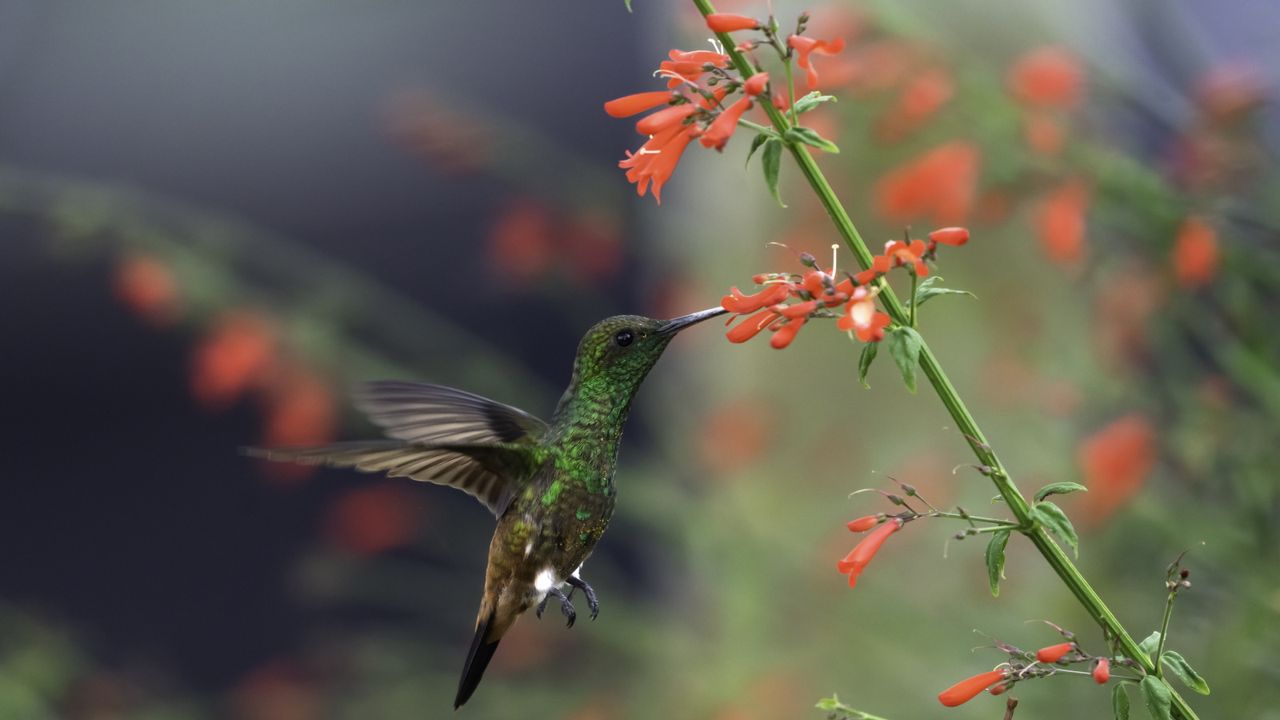
Hummingbird feeding on the nectar of a firecracker plant.

As hummingbirds return north from their winter migration, they seek quiet, resource-filled backyards to rest in. But, you don't need loads of space to create a sanctuary for them – you can simply create a hummingbird planter.

By using the right pot plants, adding a water feature, and placing your planter correctly, you can attract hummingbirds to your yard, even if you only have a patio or balcony to work with. It's all about providing everything these charming birds need in one contained area, which is both invaluable to them and space-saving in your garden.

The best part is there are only three steps to create one – here, the experts share how.

How to Create a Hummingbird Planter

You can place a hummingbird container at the front of your home, too (Image credit: Larry Keller, Lititz Pa / Moment / Getty Images)

Before jumping in with what to include in your hummingbird planter, you need the right vessel.

You can use any type of planter in your container garden, but a medium-large one will give you more room to work with.

The most important factor to consider is the support the pot provides the plants you choose to grow, so they can thrive and attract hummingbirds.

Those made from natural materials with drainage holes are often best, ensuring optimal moisture management and blending into the yard's landscape effortlessly.

'Choose a lighter colored container (to lessen heat absorption) that is large enough to accommodate the deeper root systems of native plants, approximately 16”,' says Mary Phillips from the National Wildlife Federation.

These terracotta clay pots from Wayfair are a great choice.

1. Plant Up Tubular Blooms

Hummingbirds seek tubular flowers because they're easy to feed from with their long beaks (Image credit: Daniel Dempster Photography via Alamy)

While we may think of blooming trees and cascading climbers as the best plants for hummingbirds, there are plenty of container plants that provide nectar-rich sources.

'Some container plants to choose include bee balm, salvia, zinnias (which you can grow with these Burpee zinnia seeds), and coral bells,' says Lindsey Chastain, homesteader and founder at The Waddle and Cluck.

'All of these come in bright colors and have easy access for the hummingbird's beak,' she explains.

Of course, you can also create a vertical garden in a container using trellis inserts (or this metal obelisk from Wayfair) and climbing vines.

'I recommend coral honeysuckle (which is available to purchase on Amazon). This perennial vine will provide height to the container, and the tubular red and yellow blooms are a favorite of hummingbirds,' says Mary.

'Add a 3-4ft trellis to provide support for the coral honeysuckle and a place for hummingbirds to perch and rest,' she advises.

You may find that a planter box with a trellis (like this wooden one from Amazon) makes growing climbers in a container easier. Plus, they provide more room for planting.

2. Add a Water Source

Hummingbirds also use wet foliage to clean themselves early in the morning (Image credit: pr2is via Getty Images)

Just like other birds that visit your yard, hummingbirds look for fresh water sources to clean themselves and drink from. But, they don't use bird baths – instead hummingbirds prefer mist.

'Hummingbirds don't usually visit stagnant bird baths. They prefer moving water, so adding a fine mister to your bird bath nearby to your container,' Lindsey recommends.

Alternatively you can place a shallow dish of water in your container. Adding a water pump will create a fountain effect to provide the mist these birds seek.

This bird bath fountain on Amazon is easy to install.

3. Place Your Container Near Shelter

Hummingbirds need perching spots to rest and look out for predators (Image credit: Michael Lee / Moment / Getty Images)

The final step to creating a hummingbird planter is placing it correctly. Even if you have the best plants for them growing in it, putting it in the wrong spot can hinder your success in attracting them.

'You want some type of shelter nearby like bushes, shrubs, or trees,' says Lindsey.

'Having shelter nearby while the birds are getting nectar helps them feel safe. They have somewhere to escape quickly if a predator comes or something startles them,' she explains.

Placing your container beneath a canopy of trees that attract hummingbirds, for example, can make it a more appealing spot for these birds. Likewise, placing it at least a few feet away from your home will reduce the likelihood of them becoming startled by human activity.

Ultimately, you need your hummingbird planter to be somewhere quiet and undisturbed to best encourage these birds.

Mary also notes to check the requirements of the plants you're growing:

'Most hummingbird-attracting plants thrive in full sun (at least six hours of direct sunlight per day).

'Be sure to also place the container in a location where you can easily observe the hummingbirds that visit!' she adds.

What to Shop

If you're looking for some more plants to add to your yard for hummingbirds, then the Temple of Bloom Seven-Sons is a great choice. It provides sturdy branches for hummingbird nests, as well as late season blooms for nectar.

Love inspiring garden ideas, outdoor advice, and the latest news? Sign up for our newsletter and get the latest features delivered straight to your inbox.

Sign up to read this article
Read news from 100's of titles, curated specifically for you.
Already a member? Sign in here
Related Stories
Top stories on inkl right now
One subscription that gives you access to news from hundreds of sites
Already a member? Sign in here
Our Picks
Fourteen days free
Download the app
One app. One membership.
100+ trusted global sources.