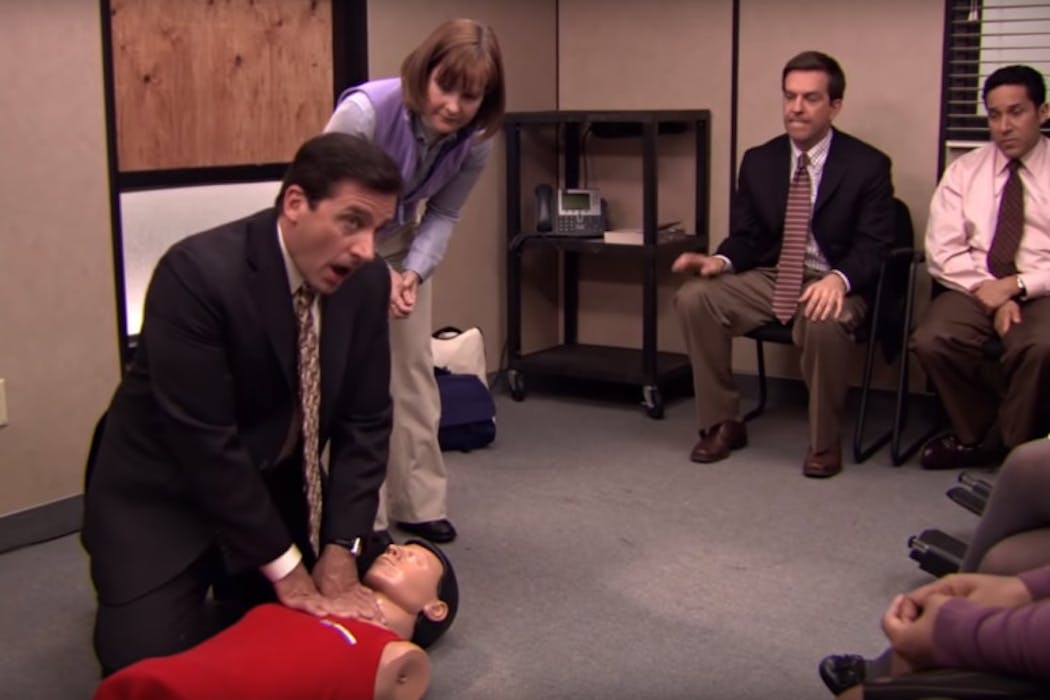
Television characters who experience cardiac arrest outside a hospital are more likely to receive CPR than people in real life. But the CPR on these shows often depicts outdated practices and inaccuracies about who is most likely to experience cardiac arrest and where, according to newly published research from my team at the University of Pittsburgh.
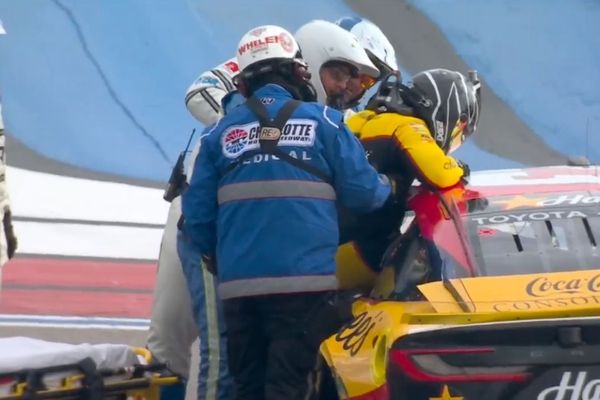
How CPR is portrayed in the media is important to understand because research has shown that health content on screen can influence viewers. When Buffalo Bills player Damar Hamlin suffered cardiac arrest during a game in January 2023, the world watched as medical professionals swiftly performed cardiopulmonary resuscitation. Hamlin went on to make a full recovery, and in the aftermath, a team of emergency medicine professionals and I at the University of Pittsburgh – where Hamlin is an alumnus – worked to teach all Division I athletes hands-only CPR.