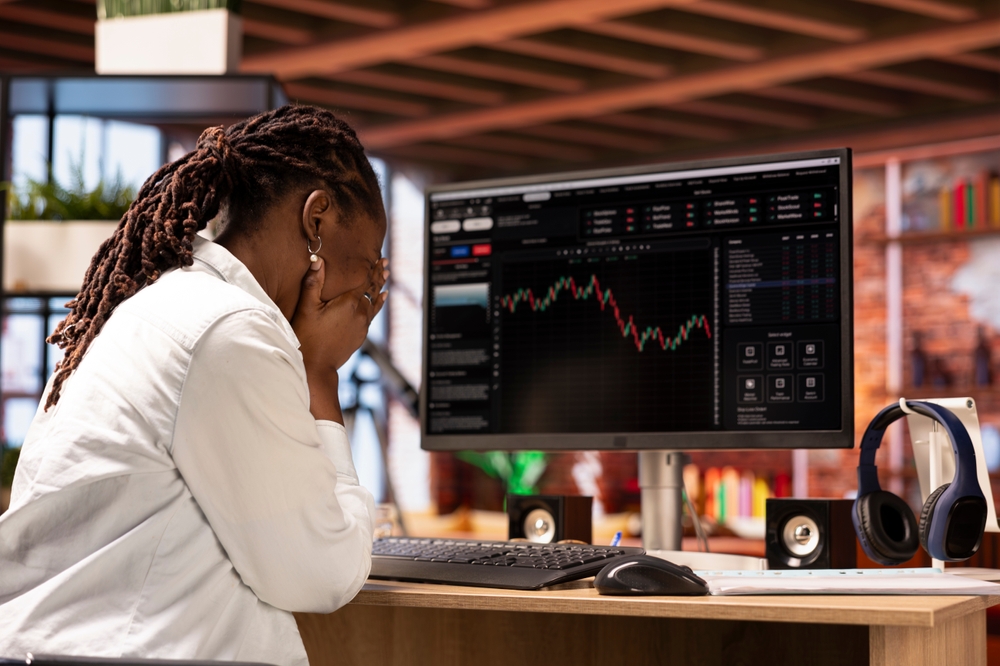
December has a funny way of messing with investor confidence. One minute the market feels festive and unstoppable, and the next it’s slipping on icy economic headlines and unexpected sell-offs. Holiday cheer doesn’t protect portfolios from profit-taking, tax-driven selling, or last-minute panic.
This is the month when optimism and anxiety often collide in dramatic fashion. The real question isn’t whether volatility might show up, but whether your portfolio is actually prepared when it does.

Why December Has A Reputation For Market Mood Swings
December often lulls investors into a false sense of calm because it follows strong autumn rallies more often than not. Beneath that calm, however, traders are locking in gains, rebalancing positions, and reacting to year-end economic data. Thin trading volume around the holidays can exaggerate price moves in both directions. Add in looming Federal Reserve expectations and geopolitical surprises, and volatility suddenly has fuel. A portfolio built only for smooth sailing can struggle when these crosscurrents hit at once.
How Concentration Risk Shows Up At The Worst Possible Time
A portfolio that leans too heavily on a few big winners can feel brilliant right up until December decides otherwise. When selling pressure hits popular stocks, crowded trades unwind quickly and without much mercy. Investors are often shocked to see their “diversified” accounts move in near lockstep because the holdings share the same risks. December corrections tend to expose these hidden correlations. What looked balanced in November can feel dangerously narrow by mid-month.
The Silent Impact Of Tax Decisions On Market Prices
December isn’t just about markets; it’s also about taxes, and those incentives matter more than most investors realize. Tax-loss harvesting can push certain stocks or sectors lower as investors rush to offset gains. This selling isn’t always tied to fundamentals, which makes price moves feel confusing and abrupt. Portfolios that ignore tax dynamics may misinterpret what’s really happening under the surface. Understanding this seasonal pressure can prevent emotional decisions at exactly the wrong moment.
Why Liquidity Matters More Than Returns In A Correction
During a sudden December dip, liquidity becomes a portfolio’s unsung hero. Assets that trade easily allow investors to adjust positions without taking painful discounts. Illiquid investments, on the other hand, can trap capital when flexibility matters most. Many investors don’t realize how hard it can be to exit certain positions until volatility spikes. A correction has a way of revealing whether your portfolio can move or whether it’s stuck watching from the sidelines.

The Difference Between Volatility And Permanent Damage
Not every December downturn is a disaster, but the line between noise and real harm matters. Volatility tests patience, while permanent losses test strategy. Portfolios built around clear goals and time horizons tend to weather short-term storms better. Those chasing recent performance often confuse temporary drops with signals to abandon ship. Knowing what kind of pain you can tolerate helps separate normal turbulence from true warning signs.
Stress-Testing Your Portfolio Before The Holiday Chaos Begins
The best time to assess resilience is before the market gives you a reason to panic. Stress-testing means asking uncomfortable questions about downside scenarios, correlations, and income needs. December corrections reward investors who already know their answers. A thoughtful review can highlight weaknesses without requiring drastic changes. Preparation turns surprise into inconvenience instead of catastrophe.
A Seasonal Reality Check Worth Taking Seriously
December corrections don’t arrive every year, but they arrive often enough to deserve respect. A portfolio that survives holiday volatility usually does so because it was designed with realism, not wishful thinking. This time of year offers a valuable opportunity to reflect on risk, balance, and long-term priorities. Instead of fearing potential pullbacks, investors can use them as stress tests for their financial plans.
Share your thoughts, experiences, or December market stories in the comments section below and join the conversation.
You May Also Like…
Risk Reboot: 5 Portfolio Tweaks If You Believe a Rate Hike Surprise Is Coming
Could Your Advisor Be Overlooking The Biggest Risk Hiding In Your Portfolio This Winter?
Behavior Risk: 4 Psychological Traps Mid-lifers Fall Into When Markets Turn Choppy
5 Lessons Young People Should Know About Investing
Why Young People Should Invest In The Stock Market
The post Could Your Current Portfolio Survive A Sudden December Correction? appeared first on The Free Financial Advisor.