
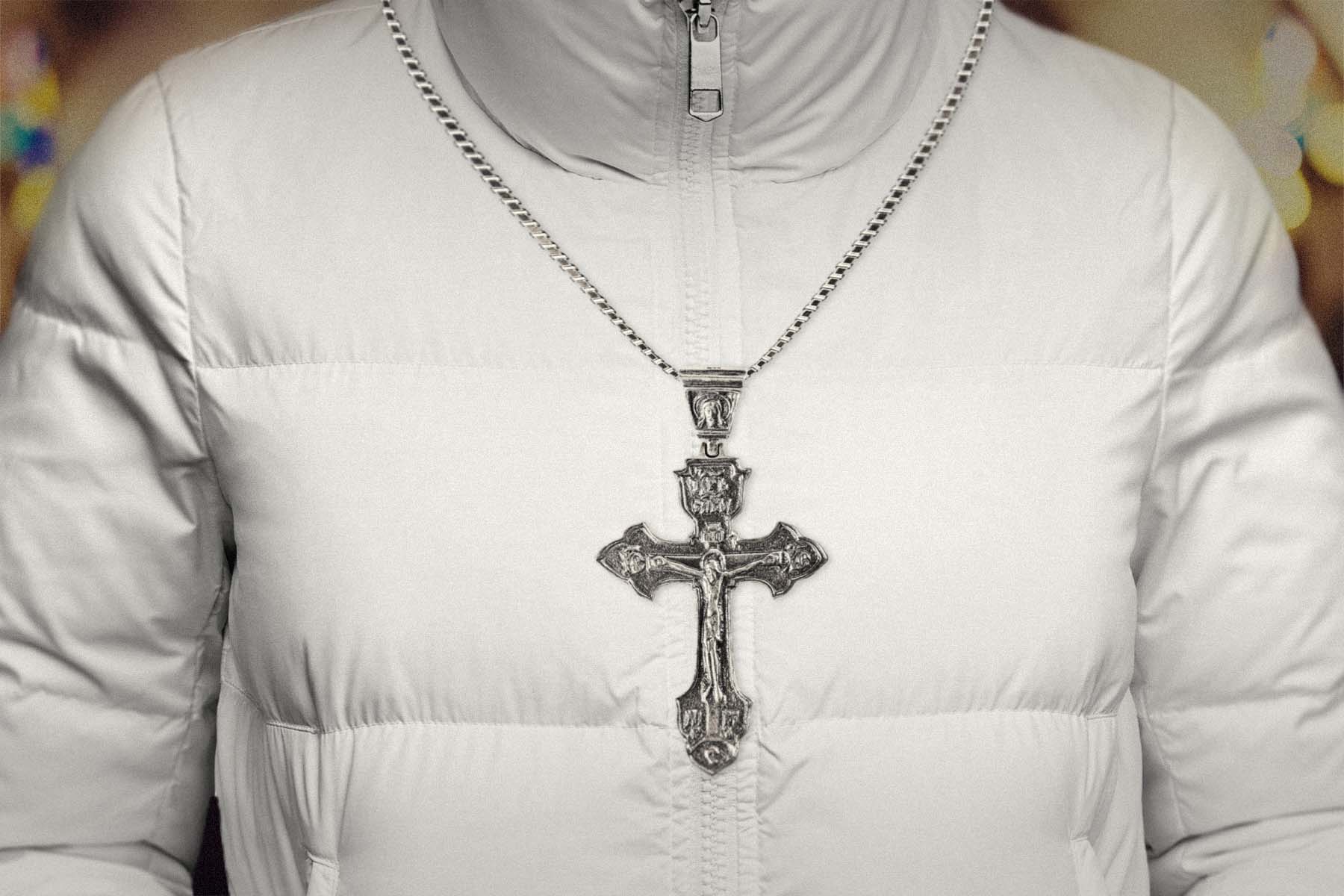
The picture of Pope Francis in a voluminous white puffer jacket jolted the religious as well as secular worlds. Within moments of its being posted at the end of March, social media was overrun with opinions. Supporters roared their approval, and opponents lamented yet another example of the pontiff selling out to modernity. Thing is, the photo wasn’t real. It was a deepfake, thereby becoming another reminder of the dangers of artificial intelligence: a fictitious portrayal of a world leader causing disunity among countless people.
These kinds of fabrications are part of what, that same month, led more than a thousand artificial intelligence experts to call for a temporary halt in the development of “giant AI experiments” until the technology can be made trustworthy. If unleashed without proper safeguards, commentators and critics argue, AI systems can destabilize and confuse; and as they learn and adapt and maybe even approach sentience, they could present a threat, perhaps an alternative, to humanity.












