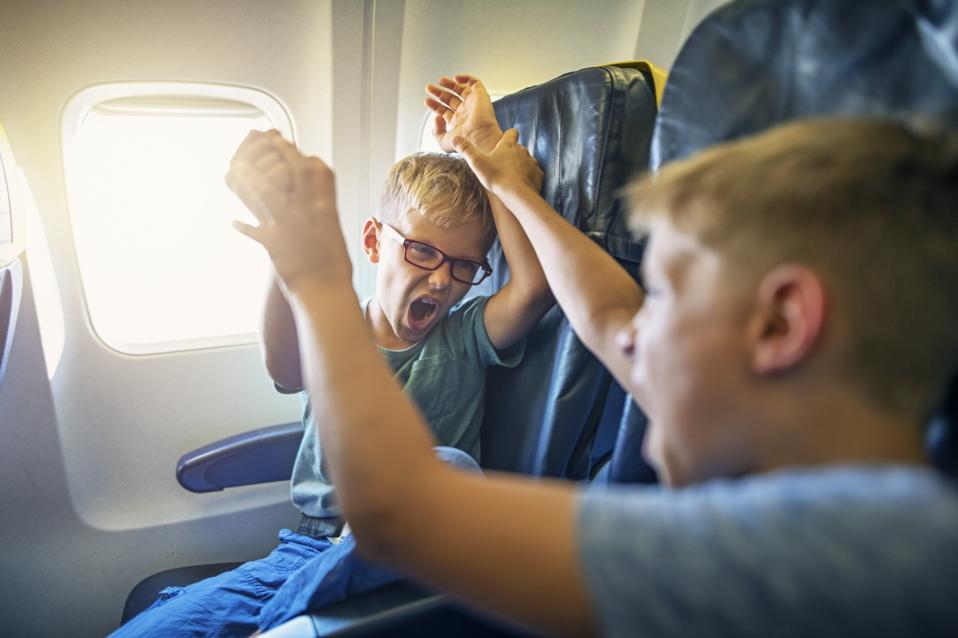
Among the many difficult issues the U.S. airlines have faced over the last years, the problem of truly disruptive passengers has been one of the toughest to crack. Delta Airlines has recently called on the Federal Aviation Administration (FAA) to create an industry-wide no-fly list for disruptive passengers. While the summer of 2021 had a number of such incidents and things have waned a bit since, the amount of disruptive onboard flight behavior is still at an unacceptable level.
U.S. airlines have increasingly taken a no-tolerance approach to this behavior. In recent weeks, flights from Miami and New York en route across the Atlantic turned around due to passengers who ignored flight attendant directives. This kind of action ups the ante for bad behavior and likely raises the ire of many other passengers. Perhaps this increased consequence along with a national no-fly list will finally make people realize that an airplane cabin is not a place to test the system.
Cost Of Flight Diversions
Diverting a flight, like those done from Miami and New York, is very expensive for an airline. It may run the crew out of time, meaning a new crew would have to be dispatched to continue the flight. It burns a lot of extra fuel, and takes a lot of time. Since the plane won't get to its intended destination until after the diversion is cleared, there are many downline effects that could be incurred as well.
This only considers the cost to the airline diverting, and not to the passengers who land at the wrong location. Some will arrive late, an others may miss connections and arrive very late, and still others may miss important appointments or reserved activities. A typical flight diversion could cost an airline from $10,000 to over $50,000, based on the specific of the situation. Add in the cost of personal disruption to each passenger, and you can see how the actions of just a single person who causes the diversion can add up to significant monetary damage.
Charging The Disruptor’s Insurance
If you feel like you are having a heart attack in a restaurant, someone could call an ambulance and you will taken to a hospital for care. Your medical insurance likely covers the cost of the ambulance, and in no case would the restaurant be expected to pay for the ambulance. Now take that same situation to an airplane, and the airline incurs all the costs of any actions to get the passenger to medical safety quickly. That makes sense, and airlines understand this for medical emergencies.
When a passenger misbehaves and causes the airline to incur expenses as a result, the airline should not have to pay this expense. They should be able to recover those costs from the disrupter’s insurance policy. Insurers will cry about this, of course, but it’s not different if someone causes damage in other areas and their insurance covers the resulting expenses. Airlines should partner with insurance companies to make this possible, allowing them to continue with the no-tolerance approach and letting the insurance company raise the rates of the disruptor or drop them due them moving into a higher risk pool.
Inflight Practical Issues
When selling food and drinks onboard became more widespread, some airlines added specialized training to the inflight crew curriculum, focused on encouraging sales and repeat buys. This changed the scope of a flight attendant job somewhat, but this was done in collaboration with flight attendant unions and generally helped inflight pay through commissions.
The last year has made many airlines realize that another change in training is needed. This time, it should be focused on more aggressive de-escalation techniques, procedures to engage helpful customers or other crew when needed, and more. The idea is that while many flights happen with no problems at all, it’s best to be prepared when a customer decides to act up. Some of this is done today, but the standard training in this area did not contemplate mask mandates or largely leisure-based and non-frequent fliers onboard. This will raise costs for airlines to do the training and pay the staff, but also may help to attract and retain more flight attendants if they feel better prepared to handle what they may encounter.
This Won't Go Away Naturally
The TAP Air Portugal CEO recently stated that masks on airplanes will never go away, given the tight spaces onboard and the increased awareness of infection. Add to this the slow return of business travel, and a vibrant return of leisure travel. The number of people returning to their offices for work is also sluggish, and some companies are accepting that hybrid work environments will outlast any virus spread. Combining this, the environment for onboard disruption can be expected to continue for a long time.
Practical plans to ensure strong consequences for disruptors are important, and the industry is moving more towards this approach. It can’t only be a reactive approach, though, so big, bold consequences like turning a plane back to its origin point or creating a national bad-behavior based no-fly list are necessary to change the mindset of people as they board. It’s possible that airlines could do more in their gate areas and with early onboard announcements. Having better trained flight attendants and getting the money of insurance companies in the game are two next steps needed, all along the path of continued non-tolerance for violent onboard airline actions.