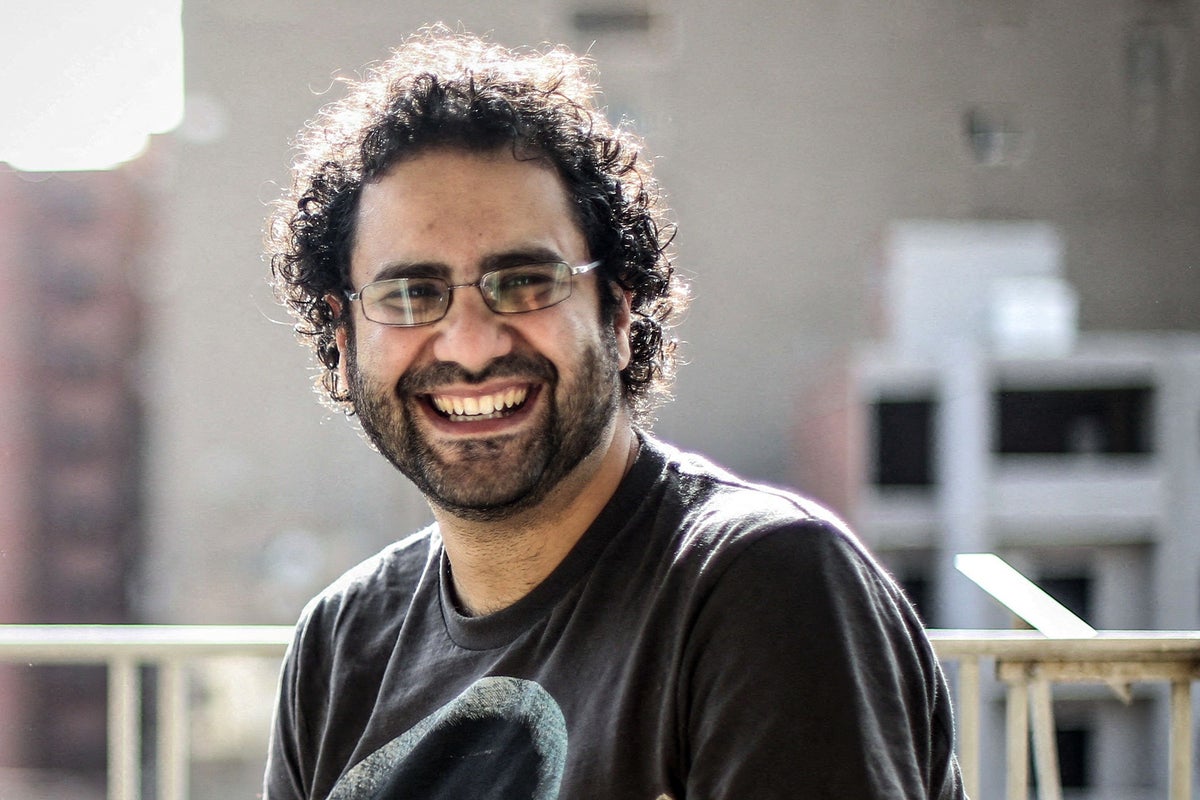
Reform UK has launched a scathing attack on the Conservative Party, declaring they "cannot be trusted" following the decision to grant British citizenship to activist Alaa Abd El-Fattah.
The move has ignited controversy due to the activist’s past tweets, which reportedly called for violence against Zionists and the police.
Mr Abd El-Fattah, recently freed after years of detention in Egypt, was granted UK citizenship in December 2021 under the government of Boris Johnson, reportedly through his UK-born mother.
His arrival in the UK on Boxing Day, after being pardoned by Egyptian president Abdel Fattah el-Sisi in September, has brought to light social media posts dating back to 2010.
While Mr Abd El-Fattah has since apologised for the posts, stating he understood "how shocking and hurtful" his previous comments were, his statement has been dismissed by Conservative shadow home secretary Chris Philp as an "insincere apology".
Mr Philp has called for Shabana Mahmood to revoke Mr Abd El-Fattah’s citizenship.

A Reform UK spokesman directly implicated several high-profile Conservative figures in the decision-making process.
"Alaa Abd El-Fattah was granted British citizenship in 2021 by Boris Johnson’s government. Liz Truss and James Cleverly both personally intervened on his case," the spokesman stated.
They also noted that "Kemi Badenoch was minister of state for local government, faith and communities when Alaa Abd El-Fattah was granted citizenship."
The party further criticised the current Tory shadow national security minister, Alicia Kearns, for initially being "relieved" by his pardon and now only demanding an apology.
"She is still the Tory shadow national security minister. The Tories would let in countless more like him given the chance. The Conservatives cannot be trusted," the spokesman concluded.
Ms Kearns, who had previously expressed relief on social media site X last September, adding "his release is long overdue, and I pay tribute to his mother and sister who have fought non-stop to get him free," has since voiced her dismay.
In a post on Sunday, she suggested campaigners supporting his release were "plainly were not aware of his grotesque tweets," and told her followers she felt "deeply let down and frankly betrayed."
She maintained, however, that while "it is wholly improper for British citizens to be detained without due process by foreign states," Mr Abd El-Fattah "must unequivocally apologise and make clear he now wholly rejects the hatred and antisemitism he expressed which is so wholly incompatible with British values."
Facing questions on Monday regarding the previous Conservative government’s decision to grant citizenship, Mr Philp distanced himself from the original process.
"I don’t know whether ministers at the time were sighted on the individual facts of this case," he told Times Radio.
He affirmed his current stance, declaring, "all I can do is speak for what I know today, and that is that if I were home secretary today, I’d be revoking his citizenship and deporting him."
Mr Abd El-Fattah’s imprisonment in Egypt on charges of spreading false news was deemed a breach of international law by UN investigators.
His release followed years of lobbying efforts by both Conservative and Labour governments.
In his recent statement, he offered an unequivocal apology for his past tweets. He explained, "(The posts) were mostly expressions of a young man’s anger and frustrations in a time of regional crises (the wars on Iraq, on Lebanon and Gaza), and the rise of police brutality against Egyptian youth."
He added, "I particularly regret some that were written as part of online insult battles with the total disregard for how they read to other people. I should have known better."
He also acknowledged the pain of seeing supporters now regret their advocacy for his release.
Labour MP John McDonnell, who had repeatedly raised Mr Abd El-Fattah’s case in Parliament, offered a different perspective.

In a statement to the Press Association, he asserted, "I thought people supporting the release of Alaa from prison understood his political journey and that’s why they supported him."
He described Mr Abd El-Fattah as "a furious young man, angry at the brutality of what he saw around him, especially the plight of the Palestinians," and acknowledged his "appalling social media interventions were the product of that anger and had been exposed over a decade ago."
However, Mr McDonnell emphasised a transformation: "Alaa’s journey was from someone who could send these vile tweets to becoming an advocate for dignity, respect and human rights for all, a defender of the oppressed and persecuted no matter what their religion, gender or sexuality."
He suggested that critics had not read Mr Abd El-Fattah’s prison writings, which were published in his 2021 book, You Have Not Yet Been Defeated, or followed his struggle.
"He won support because his life demonstrated how bitterness and anger can be overcome and a voice for humanity can emerge," Mr McDonnell concluded.
The Foreign Office has previously confirmed Mr El-Fattah’s British citizenship, stating, "it has been a long-standing priority under successive governments to work for his release from detention, and to see him reunited with his family in the UK."
While supporting his release, they also unequivocally condemned his past remarks: "The Government condemns Mr El-Fattah’s historic tweets and considers them to be abhorrent."
Conservatives cannot be trusted on citizenship – Reform UK
Tories repeat calls to strip activist of UK citizenship amid ‘insincere’ apology
Activist apologises for historic tweets as Tories urge Starmer to deport him from UK
In Pictures: Trump, tears and taxes feature in the best political images of 2025
For just £1.30 a person each year the UK could help end Aids by 2030, analysis finds
Teachers will strike next year if they don’t get a proper pay rise, union bosses warn