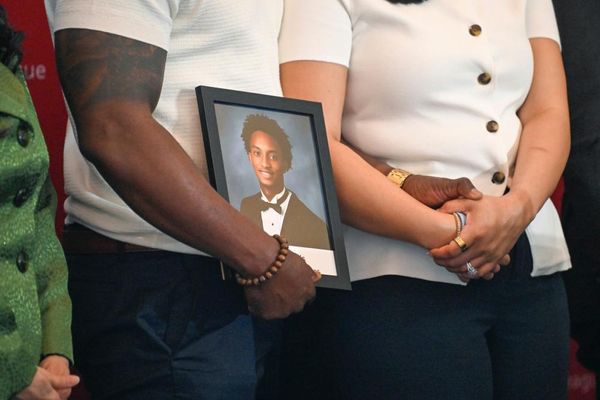
One hundred-fifty-six lives were lost in an unimaginable stampede Oct. 29 in the Itaewon district of Seoul. People from various places and stations in life are gone and most of them were South Koreans in their 20s. This devastating tragedy has forced many in the country to mourn these lives — and to focus on the lives of this generation for whom “young and happy” have become incompatible traits.
South Korean young people face fierce competition in the education system and when they enter the workforce. Younger generations in the past have often carried the burden of brokering South Korea’s critical transition into democracy, from the April revolution of 1960 to the June Democracy Movement of 1987. But the pressures on this new generation are severe in a society with intractable economic inequality and a lack of social mobility. A lot has fallen on young shoulders, and one has to wonder: What is being done to ensure the safety of their futures?
South Korean youth today are often referred to as the Sampo Generation, meaning the generation that has given up on three things: courtship, marriage and children. The bitterness of the label is true; these young people lack economic opportunities and clear direction for their futures. The list of things they won’t be able to count on is long: employment, home ownership, interpersonal relationships, hope and health. Maybe even life itself.