Watched by millions around the world, the funeral of Queen Elizabeth II demonstrated the enduring glamour of Britain's hereditary order. As recession looms, however, and the pound sinks to its lowest in nearly four decades, it is time to ask: Can the monarchy reform fast and radically enough to adapt to an age of social and economic breakdown?
The modern era began with the decapitation of a king and its main ideologies — whether democracy, socialism, market capitalism, anti-colonialism or, most recently, populism — have centered around fairness and a distrust of entitled elites. The queen’s dignified presence helped an anachronistic institution postpone a long-overdue reckoning. But the unique privileges of her family — taxpayer-funded lavishness, no inheritance tax, immunity to prosecution — will increasingly come under hostile scrutiny.
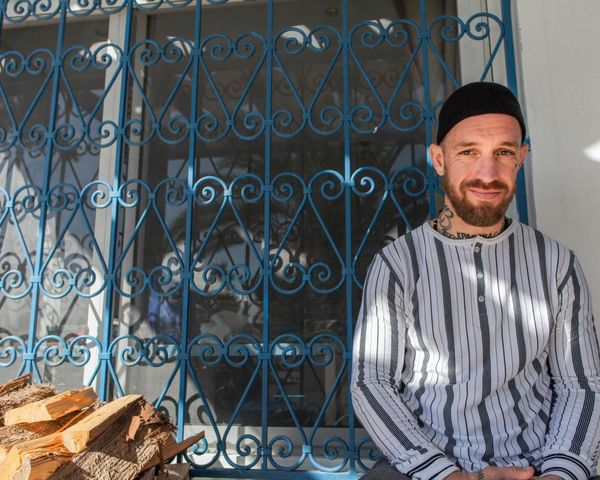
Many monarchies around the world have already withered under that gaze. A self-proclaimed “Prince of Venice,” spotted in somber attendance at last week’s funeral, might arouse our curiosity. The reality is that Europe’s surviving kings and queens have faced adversity or extinction since World War I. When not exiled, they’ve had to reconcile themselves to their irrelevance amid a democratic revolution that expanded through crises and mass revolts. Eschewing all pretensions to “ruling,” they became powerless symbols of statehood. Today, titular monarchs are the rule rather than the exception.