In my early years as an activist, I thought social change was about calling out all the ways that people in power were wrecking the world. Finding my voice meant telling other people what they were doing wrong, as loudly and self-righteously as possible.
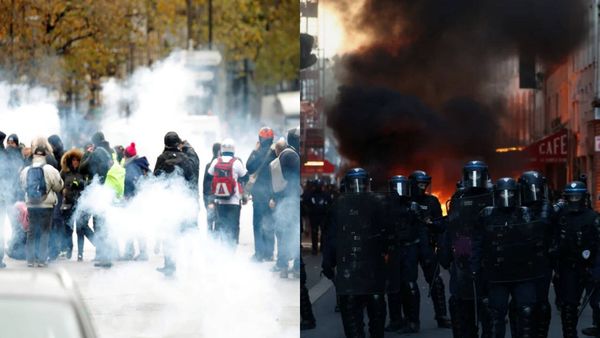
I came of age in the mid-1990s, an era where the activist atmosphere had profound similarities to today. I recognize the “tear it down” energy of our moment, the critique-resist-defund-dismantle worldview.
I brought my own version of that attitude to a conference on religion and diversity in the late 1990s. I had come seeking the skin-on-the-line justice commitment of faith-based radicals like Dorothy Day, Bayard Rustin and Malcolm X. Instead, I found old, white, male theologians pontificating from panels.