
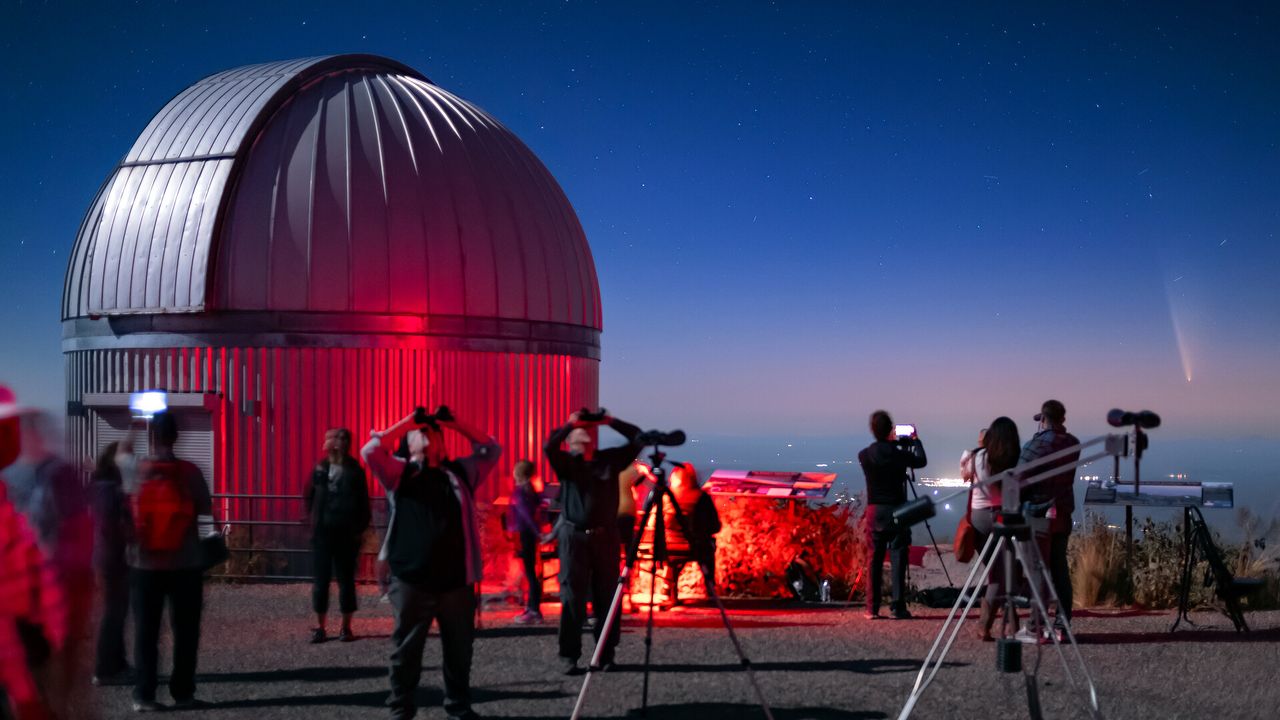
For eager skywatchers, comets offer a rare opportunity to observe some of our solar system's most dynamic objects. These icy visitors spend most of their existence in the cold outer reaches of the solar system, only occasionally swinging close enough to the sun for their ices to vaporize and flare into a luminous coma and tail.
When that happens, the night sky becomes a type of shared laboratory: researchers gather data, amateur astronomers track changes from night to night and the public gets a rare chance to see an object visibly in motion across the heavens.