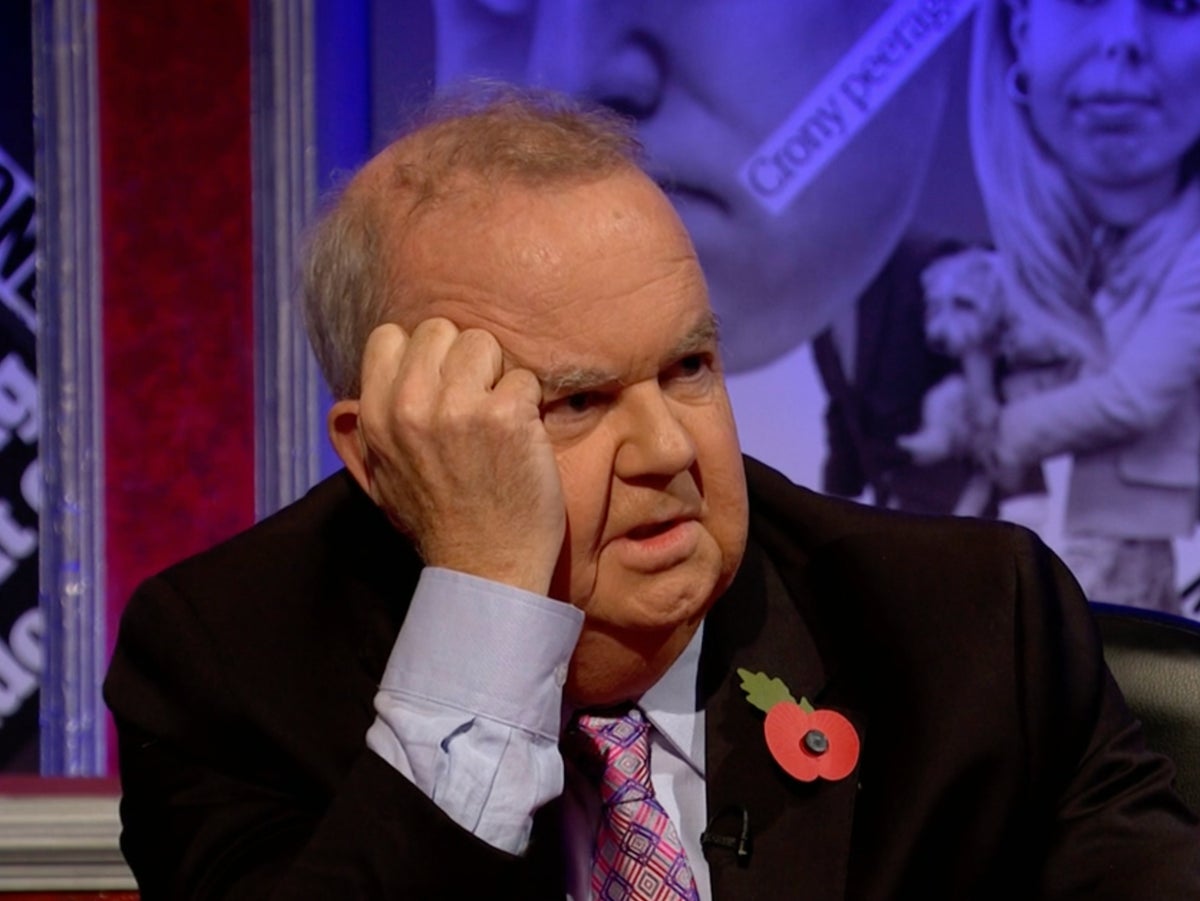
The comedy panel show is starting to become something of an endangered species. Back in 2022, the BBC announced that they were calling time on Mock the Week after 17 years on air. New launches don’t tend to stick around for long before being cancelled. Even the old faithful Have I Got News For You is feeling increasingly tired: it’s not hard to guess where the heavily signposted punchlines are going – why yes, Rishi Sunak is a rather small man, I hadn’t noticed! – which never used to be the case. The genre appears to be teetering wearily on its last legs – and that’s surely in no small part down to the fact that it has barely moved with the times, casting the same, often male, faces over and over again.
Its track record on gender representation is strikingly bad. According to new research from the data scientist Stuart Lowe, who has been crunching the numbers on panel shows for years, the BBC’s drive to reduce the heavily male-skewed gender imbalance on its comedy programmes has plateaued over the past few years, so that the split is currently around 60:40. This movement began in 2014 when the broadcaster’s then head of television, Danny Cohen, pledged that each panel show must – drum roll worthy of a very dramatic policy change, please – book at least one woman for every episode, but has clearly ground to a halt recently and stopped short of actual parity.