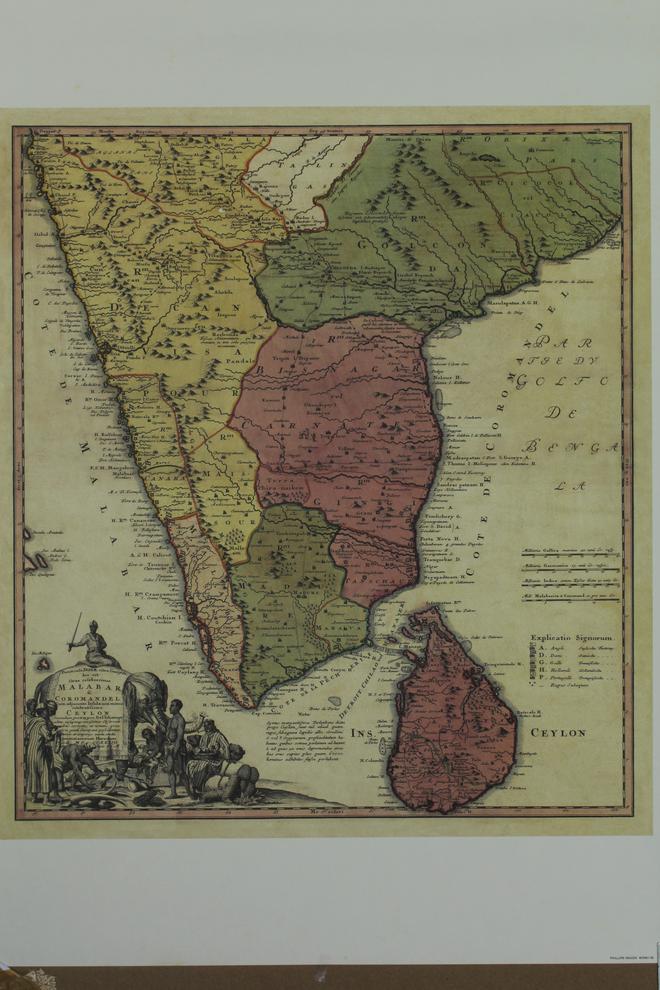
The porous nature of the Coromandel Coast has, for centuries, allowed it to absorb influences from across the world, either through trade or colonial conquests. Early maps show us that the region was the site of frenetic activity. In one such document, circa 1733 — part of digital archive Sarmaya’s collection — we see the Bay of Bengal shoreline dotted with the flags of no fewer than five colonial empires: the British, Portuguese, Dutch, Danish and French. Even older than the colonial legacies are those forged by its enterprising trading and fishing communities
Among them, coastal Muslims are identified by British anthropologists Caroline and Filippo Osella as having a greater openness towards new trends in food. In their book, Food, Memory and Community: Kerala as both ‘Indian Ocean’ Zone and as Agricultural Homeland, they write: “The whole Hindu domestic anxiety about the provenance of food stuffs, about caste purity and food ‘quality’ [in the tri gunas sense], about observing social hierarchies in feeding and serving, all mitigate against either culinary cosmopolitanism or a culture of domestic based hospitality and commensality. All this stands in sharp contrast to Muslim practices.”