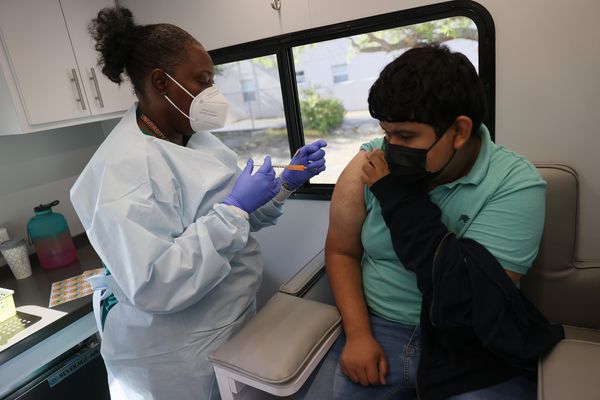
Colorado voters have signed off on raising taxes for the state's top earners to make sure all public school students can keep getting free meals at school. They passed two ballot measures on Nov. 4—Propositions LL and MM—with comfortable margins.

Two Measures, One Goal
Proposition LL passed with about 66% of the vote, and Proposition MM followed with 59% in favor, according to unofficial results. Together, these measures aim to close funding gaps in Colorado's free school meals program, originally approved by voters in 2022 under Proposition FF. According to The Colorado Sun, that earlier effort raised taxes on households making $300,000 or more but quickly ran into financial trouble due to inflation and overwhelming participation.
Don't Miss:
- Fast Company Calls It a ‘Groundbreaking Step for the Creator Economy' — Investors Can Still Get In at $0.81/Share
- An EA Co-Founder Shapes This VC Backed Marketplace—Now You Can Invest in Gaming's Next Big Platform
Under the newly approved measures, taxpayers earning $300,000 or more will face steeper limits on income tax deductions. Single filers will now have their state income tax deduction reduced to $1,000, while joint filers will be capped at $2,000. That translates to an average tax increase of $297 for single filers and $404 for joint filers, affecting about 6% of all Colorado tax filers, The Colorado Sun reported.
The money will help fully fund the Healthy School Meals for All program, which struggled with a $24 million shortfall in its first year. That gap was covered with general state funds, but projections showed even larger deficits looming.
In addition to covering daily meals, the revenue will allow schools to pay food service workers more and buy more locally grown food. Any leftover money from Proposition MM will be used to help fund the state’s administration of the Supplemental Nutrition Assistance Program.
Trending: Bill Gates Says Climate Change ‘Needs to Be Solved' — This Award-Winning Building Material Is Tackling It Head-On
This added funding is especially important following the federal government's decision to cancel the Local Food For Schools program in March. The $660 million initiative, launched by President Joe Biden in 2021, helped schools buy food directly from local farms.
“With research showing school meals are the healthiest meals Americans eat, Congress needs to invest in underfunded school meal programs rather than cut services critical to student achievement and health,” School Nutrition Association President Shannon Gleave said at the time.
Without these new measures, officials warned that only some students would have continued receiving free meals next year.
According to The Denver Gazette, support for the campaign came from over 150 organizations, including Hunger Free Colorado, Nourish Colorado, and Save the Children Action Network. There was no formal opposition, though some Republican lawmakers criticized the tax hike on higher earners.
Read Next:
- Forget Flipping Houses—This Fund Lets You Invest in Home Equity Like Wall Street Does
- Wall Street's $12B Real Estate Manager Is Opening Its Doors to Individual Investors — Without the Crowdfunding Middlemen
Image: Shutterstock