The Briefing:
- President Abelardo De la Espriella said on Sept. 16 that he had signed 85 extraditions since taking office on Aug. 7, most of them to the United States. By Sept. 25 he was citing 94.
- Washington's Sept. 15 drug determination again put Colombia among four countries judged to have fallen short, a verdict covering the previous 12 months, most of which fell under Gustavo Petro.
- The rating turns on coca, cocaine and eradication results rather than extradition tallies, and the U.S. says it may revisit the label within a year if progress is verifiable.
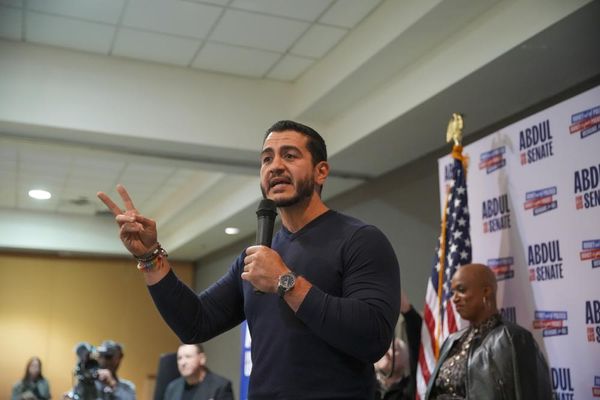
Abelardo De la Espriella has spent his first weeks as Colombia's president signing extradition orders on camera. Washington, meanwhile, has renewed its judgment that Colombia is falling short on drugs. The two facts look like a contradiction, but they measure different things.
On Sept. 16, a video on De la Espriella's X account showed him approving more extradition orders. He put the tally at 85 after roughly a month and ten days in office, El Heraldo reported, and said most of the cases involve drug-trafficking charges and requests from the United States.
Nine days later the number was higher. Reuters reported on Sept. 25 that De la Espriella now counted 94 extraditions, and that the government had sent Geovany Andrés Rojas, known as "Spider," to the United States. Rojas leads the Border Commands, one of several groups formed by ex-FARC fighters who turned their backs on the 2016 peace accord. U.S. prosecutors accuse him of drug trafficking and criminal conspiracy tied to operations in Colombia and Ecuador.
He is the first senior armed-group commander sent north under the new president. Police sources told Reuters he was turned over to American authorities at a Bogotá police air base. He had been detained in February 2025 at a Bogotá hotel while attending an event linked to Petro's peace talks. De la Espriella has since scrapped those negotiations and launched a military offensive. "Colombia will not be a refuge for drug traffickers wanted by international justice," he said.
What Washington Actually Decided
The White House said President Donald Trump sent his annual list of major drug-producing and transit countries to Congress on Sept. 15. It names 23 countries, and four of them (Afghanistan, Bolivia, Burma and Colombia) were found to have "failed demonstrably" over the previous 12 months to meet their counternarcotics obligations.
That window mostly predates De la Espriella, who was inaugurated Aug. 7. ColombiaOne reports that the State Department acknowledged his pledge of a hard-line push against coca and cocaine but judged it not yet enough to change the assessment. Trump again waived the aid restrictions on national-interest grounds, so assistance continues. Washington left room to reconsider if verifiable progress shows up over the next year, according to the same report, which also cites projections of up to 253,300 hectares of coca by December 2026.
Why the Rating Didn't Budge
The U.S. reasoning, as reported, centers on coca acreage, cocaine output, eradication and operations against trafficking networks. Extradition counts were not named among those yardsticks in the coverage reviewed. Extraditions signal cooperation and political will, and they hit named individuals. Coca hectares and cocaine production measure what happens in the field, and those numbers rose sharply during the period under review.
What to Watch Next
- Whether the government publishes a verifiable list of the signed orders.
- How many of those signatures become actual transfers to U.S. custody.
- New coca and eradication data heading into next year's determination.