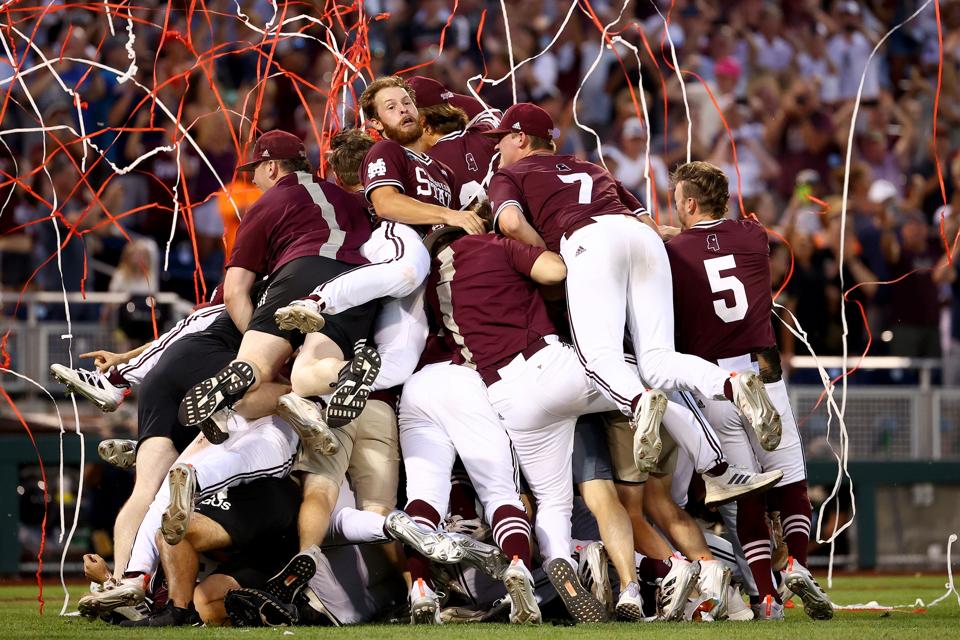
As the college baseball season resumes, it serves as an important reminder about what’s at stake in this current round of CBA negotiations between MLB and the MLBPA.
For a majority of players entering the professional ranks this year, Minor League pay and rookie contracts are going to be considerable sticking points in negotiations. Additionally, how draft pick compensation is distributed may change this upcoming CBA as well. This could have an impact on player draft positions and financial compensation, which has a direct impact on incoming players.
This is significant because a majority of college players going pro this year that are not selected in the bonus rounds, will still face financial difficulties while pursuing their dreams of becoming a Major League Baseball player. While baseball participation in America seems to continuously become a sport of privilege, not every player going pro this year has the same financial security to pursue a career in professional baseball.
It is a long road for a player to earn even one day of pro-rated league minimum salary, let alone find themselves in a position to become an every day regular, making it to and through the arbitration process, and have a lucrative free agency period, followed by hopefully one or two more lucrative contracts before calling it a career.
On the other side of the coin, even high draft picks that receive large signing bonuses are only guaranteed that lone pay day. This leaves a majority of incoming pro talent in a tough financial position as they decide weather to continue pursuing their dreams at the pro level or tapping out.
Personal finances are a huge factor in how long and how earnestly a young player can commit to training for their pro careers. This is especially true in the offseason.
During the summer offseason, college baseball players who are fortunate enough to participate in summer leagues are still on their own when it comes to strength and conditioning programs. With the emergence of the private baseball training sector, training at these facilities can be very expensive. This is where the financial divide can really cause some separation between the baseball “haves and have nots”.
There are many tales of Minor League players having to work jobs in addition to training and playing during the offseason. Those stories get told around baseball blogs and podcasts ad nauseam. The stories that do not get told as often, because they are not as appealing, are the ones about the baseball players that come from tremendous privilege.
A player born into a higher socio-economic status is going to have multiple advantages at every level to gain access to the best training and best competition available. Their family can afford to put up the money on a high risk investment because the loss will not have the same financial consequences as a family of lower socio-economic status.
Additionally, two youth players of equal talent will have drastically different developmental journeys due to access to quality coaching, strength training, and quality competition. This doesn’t even cover the differences in potential dietary, academic, and other environmental advantages and disadvantages the two players may face.
Broadly, this makes it much more likely that the player of better socio-economic status stands a better chance of developing into a bonus slot worthy prospect. That will carry on into their pro career. Their access and financial flexibility will allow them to continue to have the advanced opportunities to train and recover that non-bonus players may not have.
Of course, there may also be similar financial factors at play for non-bonus players, as people with better means will always have a financial safety net to continue to invest in their training.
The point being, the players that manage to break through every financial barrier and make it to the Major Leagues, deserve to be compensated fairly when they do produce. Although the underdog stories are few and far between, it does not mean they do not deserve to earn more when they produce more.
This is why the bonus pool and the restructuring of rookie contracts is so important. If an underdog makes his way through the ranks and produces a 1.0 fWAR season, never to be heard from again, they should still be compensated fairly for their on field contributions. For the majority, baseball is a high risk investment, but when a player exceeds their stock value, they should be rewarded appropriately.