As Thailand's electricity demand rises with the expansion of data centres, artificial intelligence (AI), electric vehicles (EVs) and industrial digitalisation, reliable and cost-efficient power is becoming increasingly important for energy-intensive manufacturers such as Chememan Public Company Limited (CMAN).
For CMAN, which operates energy-intensive lime production facilities, managing exposure to energy costs while securing reliable power is becoming increasingly important to protecting margins and maintaining competitiveness.

Against this backdrop, CMAN reported a 7.6% increase in net profit to 256 million baht in the first half of 2026, despite a 4.6% decline in revenue to 1.888 billion baht year-on-year.
The company's gross profit margin improved to 40.1% from 36.6% in the first half of 2025, reflecting tighter cost management and improved production efficiency despite a challenging operating environment.
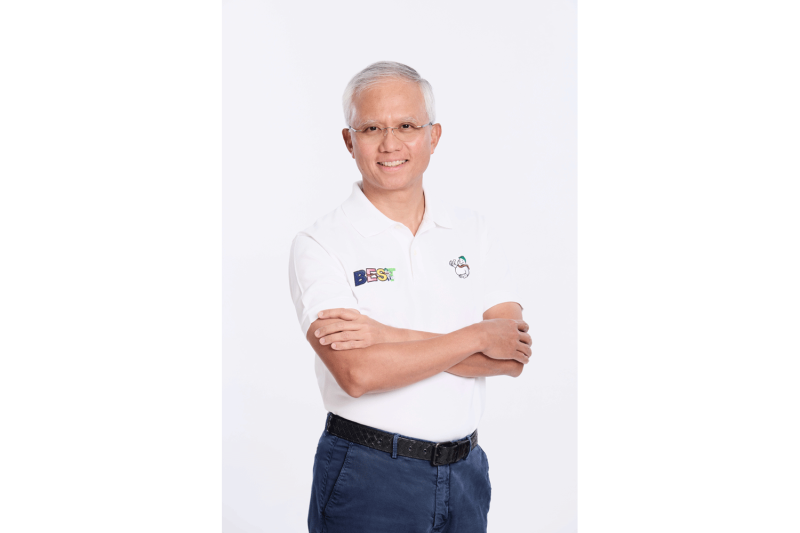
"Despite global economic uncertainties, our strong business network, reputation across the Indo-Pacific region, and a highly flexible business model are supporting our positive business momentum. The timing is also right to increase our investments, which will further cement our position as the Indo-Pacific region's market leader and increase our future performance," said ML Chandchutha Chandratat, Chairman of the Board of CMAN.
For the second quarter, CMAN reported revenue of 907 million baht, down 4.5% year-on-year, while net profit fell 21.9% to 84 million baht.
The quarterly results were affected by geopolitical tensions that pushed up global energy prices and freight costs. However, the company maintained a gross profit margin of 38.2%, up from 37.2% in Q2/2025, supported by strict cost controls and improved production efficiency.
The results highlight the importance of energy and cost management for CMAN as global volatility continues to affect industrial producers. Rather than relying solely on conventional energy sources, the company is working to diversify its energy mix and improve operational efficiency as part of its longer-term resilience strategy.
CMAN is testing biomass fuel in its production process as part of efforts to reduce carbon dioxide emissions and lower its longer-term exposure to fossil-fuel volatility.
The company also plans to expand solar power capacity at its overseas production facilities, while targeting 90% electric-vehicle (EV) adoption across its fleet by the end of 2026.
These initiatives form part of CMAN's broader green transition, alongside investments in advanced technologies, production efficiency and tighter cost controls.
Despite the challenging external environment, CMAN is continuing with its strategic growth plans. The acquisition of Lime Master Co Ltd is expected to begin contributing positively from the third quarter of 2026, adding production capacity and strengthening the company's customer base.
Over the medium term, CMAN plans to focus on targeted expansion in India and Indonesia, with the aim of increasing production capacity and broadening its customer base across the Indo-Pacific.
The company's regional expansion is being pursued alongside efforts to strengthen the resilience of its existing operations, particularly through greater energy efficiency and diversification.
For an energy-intensive manufacturer, the strategy extends beyond securing sufficient electricity and fuel. It also involves reducing exposure to energy-price volatility, improving production efficiency and gradually shifting towards lower-carbon energy sources.
CMAN expects the combination of cost discipline, operational efficiency, energy diversification and overseas expansion to support continued profitability and strengthen its position in the Indo-Pacific market.