A "great reallocation" of spending is needed to achieve a net-zero economy by 2050, modelling by Deloitte Access Economics shows.
Some $20 trillion in forecast investments by Australian governments and industry by 2050 needs to be spent differently to get to net-zero greenhouse gas emissions, according to a report released on Thursday.
But it is a transformation that Australia can afford, the research commissioned by the National Australia Bank shows.
The All Systems Go report weighs what will be invested in Australia out to 2050, regardless of whether the economy transitions to net zero.
But to be best-placed to emerge as a winner, the economy's structure must change.
The research shows national emissions reduction targets will not be achieved by one industry alone, and the adjustments required will impact every business and every household.
The transition price tag includes additional spending of $420 billion out to 2050 and $70 billion that must move from emissions-intensive areas this decade to avoid driving up the cost of transition in the long run.
"This is the 'great reallocation' - we will need to change where we invest and what will drive economic growth," NAB chair Philip Chronican said.
The report says a total of $400 billion must be invested to transform the four areas that currently account for most of Australia's greenhouse gas emissions.
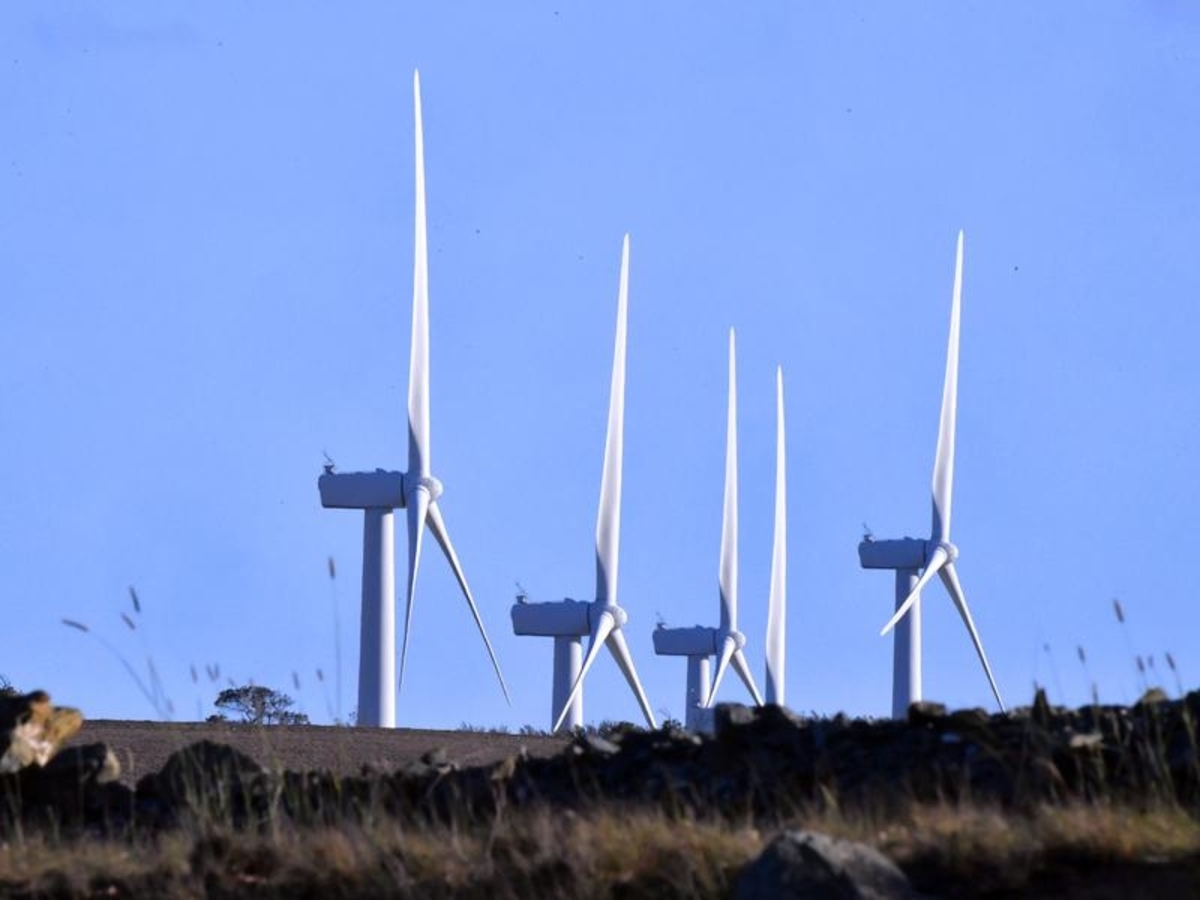
This includes $100 billion for energy, $30 billion for mobility or transport, $50 billion in raw materials and manufacturing, and $20 billion to overhaul food production and land use.
Some $200 billion of new capital is tagged for "enabling services" across financial, insurance, business, real estate, communication, recreational and other support out to 2050.
The additional level of capital investment required also accounts for the continued physical impact of floods, fires and heat waves on the economy from climate change.
The bank expects the net-zero investment mandate to become a dominant business focus but warns the next decade is critical.
Given solutions do not yet exist for the dirtiest sectors, the report says it is critical that business and governments work together, with government subsidies required to develop new technology and fuels.
For example, a commercially viable hydrogen market is a priority for heavy industry in Australia.
If co-ordinated and early action is taken towards Australia's decarbonisation, the economy stands to gain around $890 billion over the next 50 years, the report finds.
This is in comparison to a future of no further or significant climate action, which could result in $3.4 trillion in economic losses over the same period.
And while emissions reduction needs to be the primary mechanism to achieve net zero, Australia is "uniquely placed" to expand its carbon offset market, Mr Chronican said.
A carbon offset is a reduction or removal of emissions to manage emissions made elsewhere, including planting trees and environmental projects to restore land or coastal marine areas.